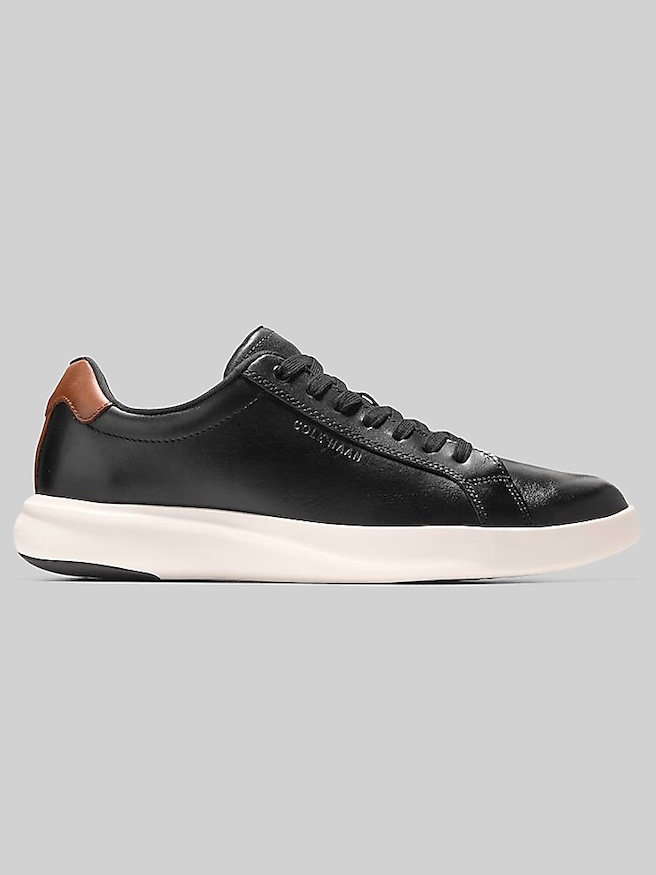
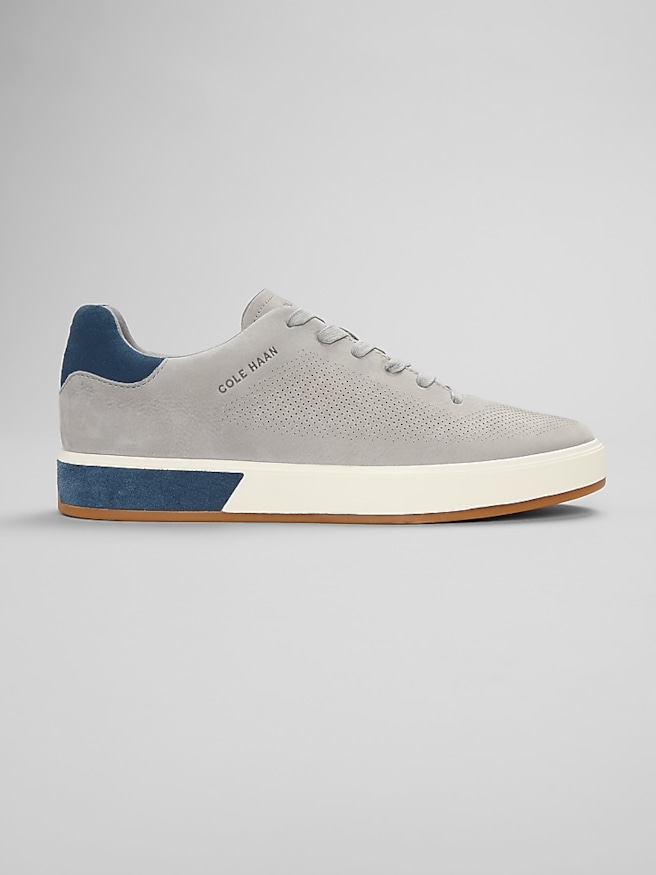
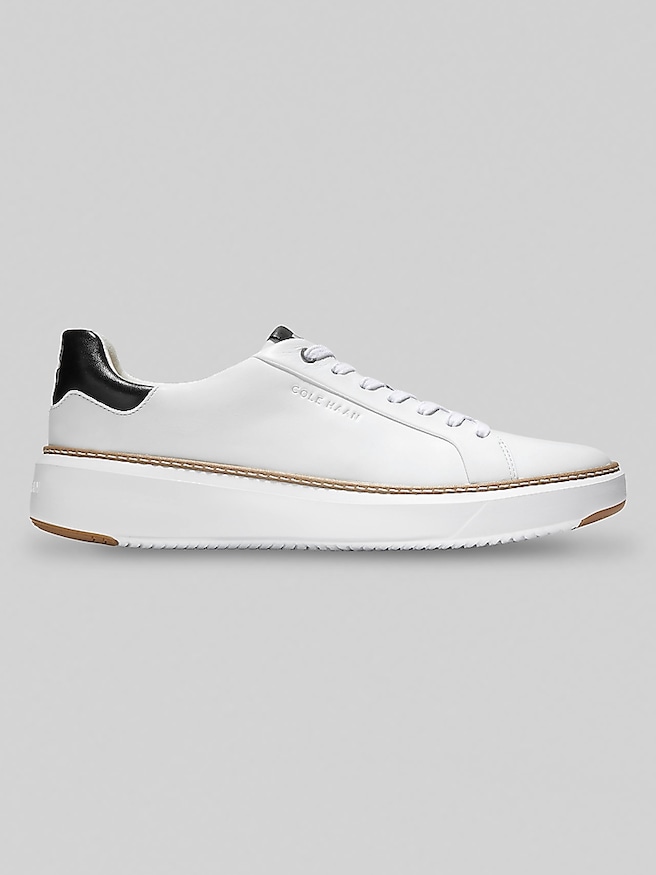
Leather athletic sneakers bring the familiar shape of sports footwear into everyday dressing, combining a leather upper with the relaxed proportions and underfoot cushioning associated with sneakers. They work especially well for men whose days move between a commute, a casual workplace, and plans after hours, when footwear needs to look considered without feeling overly formal. A smooth leather finish gives the silhouette a clean surface that sits comfortably alongside chinos, dark denim, and casual trousers, while textured or pebbled leather adds depth to simpler outfits. Some designs have the low profile and restrained detailing of a court shoe; others borrow the layered panels, sculpted soles, and padded collars of running-inspired footwear. Those distinctions affect more than appearance. A slimmer shape can complement tapered pants without making the feet look oversized, while a more substantial sole can balance straight-leg denim or heavier fabrics during the cooler months. Color also changes the character of the shoe. White and cream create a crisp contrast against dark clothing, brown tones complement earthy shades, and black leather sneakers offer a grounded option for monochromatic outfits or understated everyday dressing. With an unstructured jacket and an open-collar shirt, a restrained leather sneaker can suit an office where casual footwear is accepted. With jeans and a textured sweater, the same general silhouette feels appropriate for a relaxed dinner or an afternoon visiting friends. The athletic influence does not necessarily make these shoes suitable for training, however. Many leather sneakers are designed primarily for lifestyle wear rather than repeated running, court movements, or heavy gym sessions. Their strongest role is often the space between a traditional casual shoe and a technical athletic shoe: approachable enough for weekend clothes, polished enough for thoughtful everyday outfits, and practical for ordinary movement. The best match depends on both the clothing around the shoe and what a typical day actually involves, whether that means mostly seated work, short walks between appointments, or hours spent moving through a city.
Materials and construction shape how leather athletic sneakers feel long after the first try-on. Leather varies in texture, thickness, finish, and flexibility, so a supple upper may feel comfortable quickly while a firmer one can take longer to soften at natural flex points. Full-grain leather retains the hide’s natural grain, while other leather types and surface treatments can produce a more uniform appearance; the leather description alone does not tell the whole story of comfort or durability. Panel placement, stitching, lining, and the connection between the upper and sole matter as well. Reinforcement around the heel and toe can help a shoe hold its shape, though added structure may also make it feel less flexible. Perforations and textile panels may improve airflow, but a leather upper will not necessarily feel as airy as an open mesh athletic shoe. Inside, a smooth lining and well-positioned seams help reduce friction, while cushioning can soften the sensation of walking on hard surfaces. A very soft footbed is not automatically the most comfortable choice for every wearer; stability, arch shape, and the overall fit remain important. There should be room for the toes to lie naturally without pressing against the front or sides, and the heel should feel secure rather than slipping noticeably with each step. Laces allow some adjustment across the top of the foot, but they cannot fully correct a shoe that is too narrow or too spacious. Trying sneakers with the socks intended for regular wear gives a more useful sense of fit, particularly when thicker socks become part of a cooler-weather wardrobe. Anyone who uses an orthotic may also need sufficient interior depth and, where specified, a removable footbed. Leather can soften with wear, but an uncomfortable pressure point should not be dismissed as something that will certainly disappear. For travel days, extended standing, or longer walks, the combination of a secure heel, comfortable forefoot, manageable weight, and appropriate cushioning usually matters more than any single feature in isolation.
Everyday durability comes from matching the shoe to its surroundings and giving the materials time to recover between wears. Rubber outsoles are common on leather athletic sneakers, but grip depends on the tread pattern, rubber compound, surface, and condition of the sole. A smooth court-inspired outsole may behave differently on wet pavement than a deeper tread, and neither an athletic silhouette nor a substantial sole guarantees traction on ice. Leather is also not automatically waterproof. During damp or chilly weather, protection depends on the shoe’s stated construction and any suitable treatment, rather than the upper material alone. Routine care can remain straightforward: loose dirt is easiest to remove with a soft brush or cloth before it works into seams, and smooth leather generally benefits from gentle cleaning with products intended for that finish. Suede, nubuck, and specialty finishes require their own methods, so the care instructions for the footwear take priority. Excess moisture should be blotted away, with shoes left to dry naturally away from radiators and other direct heat sources that can dry out leather or affect adhesives. Lightly filling damp shoes with clean, unprinted paper can help absorb moisture and support their shape. Appropriate conditioner may help maintain some smooth leathers, but overapplication can alter the finish, and any treatment is best tested in an inconspicuous spot. Rotating footwear allows the lining and footbed to dry more fully, while cleaning the edges of the soles keeps even a frequently worn pair looking more composed. Natural creasing across the forefoot is part of leather’s response to movement, not necessarily a sign that the shoe is wearing out prematurely. For a gift, leather athletic sneakers can suit someone who prefers casual clothing but appreciates a cleaner finish than a technical running shoe. Familiarity with the recipient’s size, width, preferred colors, and usual activities makes the choice more personal. Whether worn for a neighborhood coffee stop, a relaxed office day, or a weekend away, their appeal rests in that balance of useful comfort, understated texture, and an easy relationship with the clothes already in regular rotation.