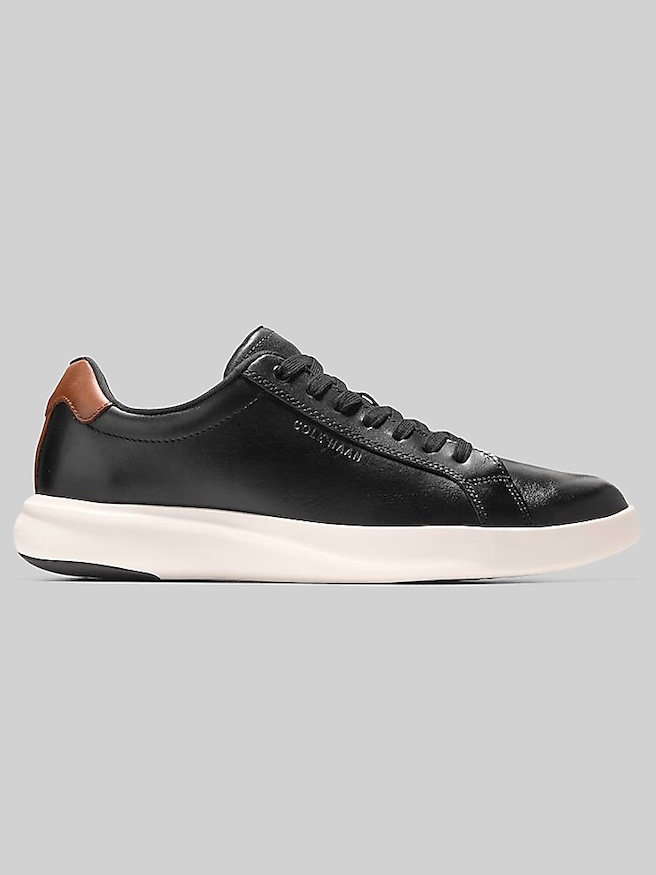
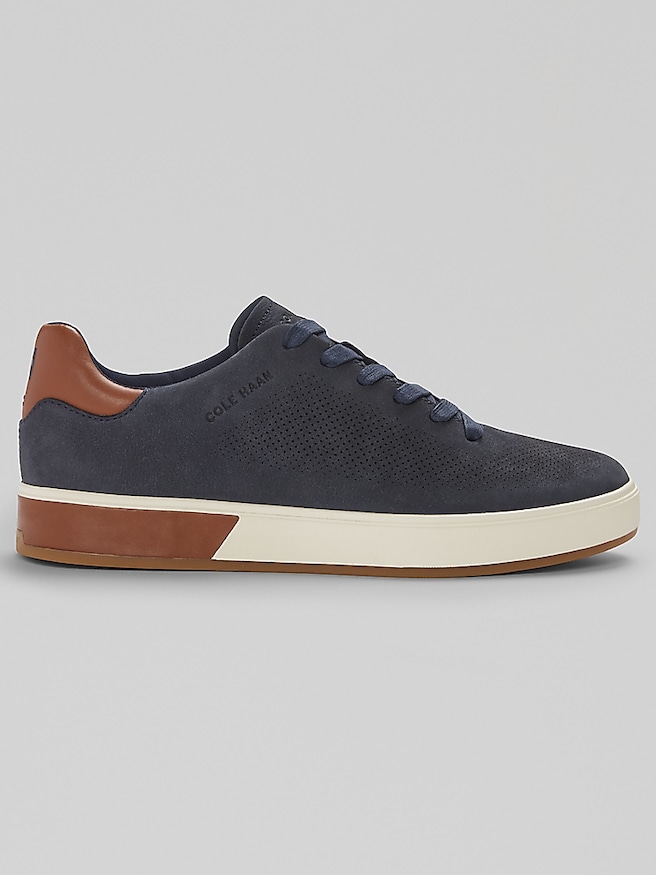
Athletic sneakers bring a sport-inspired shape to everyday footwear, pairing flexible construction with a look that feels at home alongside jeans, joggers, and casual trousers. Their appeal goes beyond the gym: a cushioned step and a secure fit can make a difference through a commute, an afternoon of errands, or a day spent moving between appointments. The details behind that comfort vary, which makes materials and construction just as important as appearance. Mesh and knit uppers can allow airflow and accommodate movement, while leather, suede, and synthetic overlays add structure, texture, or reinforcement in areas that receive repeated wear. A closely woven upper may feel more substantial than an open mesh, and a padded collar can soften contact around the ankle without changing the overall silhouette. Underfoot, foam midsoles often provide cushioning, while rubber outsole sections help protect high-contact areas and supply traction. The balance matters: a very soft feel is not necessarily the same as a stable feel, and a lightweight shoe does not automatically suit every activity. Walking across a campus, spending time on a treadmill, and lifting weights place distinct demands on footwear. Sneakers intended for everyday wear can borrow athletic design elements without offering the specialized construction needed for running, court sports, or intensive training. For those activities, the shoe’s stated purpose matters more than its sporty appearance. Everyday athletic sneakers often balance easy movement, comfortable cushioning, and a versatile profile. Some silhouettes sit close to the foot with streamlined proportions; others use a thicker sole and layered upper for a more substantial presence. Neither approach is inherently better for daily wear. The useful distinction is how the shoe feels underfoot, how securely it holds the heel, and whether its shape complements the clothing and activities it will accompany. Details such as a flexible forefoot, a smooth interior lining, and well-positioned laces can make a familiar-looking sneaker feel noticeably more comfortable over several hours.
Fit is where athletic sneakers become personal, even when two pairs appear similar from the outside. The foot needs enough room to settle naturally inside the shoe, with space at the front that keeps toes from pressing against the upper during a normal stride. A snug heel and midfoot help keep movement controlled, but pressure across the instep or pinching at the sides usually signals a mismatch in shape, width, or volume. Length alone does not tell the whole story: a broad forefoot, a higher instep, or a narrower heel can change how the same labeled size feels. The socks worn with the sneakers also affect that relationship, especially when switching between thin casual socks and more cushioned athletic styles. Trying footwear with the intended socks and taking a few natural steps offers a more useful impression than judging comfort while seated. A comfortable fit should not depend on laces being pulled excessively tight, and cushioning cannot compensate for a shoe that crowds the toes. Removable footbeds can be useful for someone who wears compatible inserts, although the shoe still needs enough interior space to accommodate them. Materials influence the feel over time as well. Leather may soften with wear, while structured synthetic panels tend to retain their shape; neither should require enduring significant discomfort before the sneaker becomes wearable. Care helps preserve both appearance and function. Loose surface dirt can often be removed with a soft brush, and many textile uppers respond to gentle spot cleaning according to the manufacturer’s directions. Suede calls for an appropriate brush and material-specific care, while leather benefits from suitable cleaners rather than harsh household products. Soaking or machine washing can affect adhesives, cushioning, and finishes unless the care instructions specifically permit it. Allowing sneakers to air-dry away from direct heat helps protect their construction. Rotating between pairs gives interiors time to dry, and checking worn tread, damaged linings, or unevenly compressed cushioning helps identify when a familiar pair no longer feels as supportive or secure as it once did.
The versatility of athletic sneakers comes through most clearly in everyday outfits, where their shape and finish can either blend in or become a deliberate focal point. A streamlined pair in a restrained color palette works naturally with straight-leg jeans, tapered chinos, and a knit polo, creating an outfit that looks considered without feeling dressed up. More pronounced soles and layered panels bring a stronger athletic character to joggers, relaxed denim, and simple sweatshirts. Trouser proportions help keep the combination balanced: a hem that meets the top of the sneaker cleanly shows its shape, while excess fabric gathering around the ankle can obscure even a sleek profile. Texture offers another way to connect footwear with clothing. Smooth leather lends a polished note to casual separates, knit uppers reinforce an easygoing feel, and suede adds a softer visual finish. For everyday outfits centered on relaxed comfort, Comfortable Casual Sneakers offer a related footwear direction. Athletic sneakers can suit an informal workplace, travel days, a casual dinner, or time spent walking through a museum, provided the setting allows a sport-inspired shoe. A clean upper and intact sole make a meaningful difference when the same footwear moves from an active morning to a social afternoon. More formal occasions may call for another footwear style, regardless of how understated the sneaker looks. For men who prefer a small, practical shoe rotation, a versatile athletic silhouette can cover a useful range of casual plans without needing to match every outfit exactly. Sneakers can also make a thoughtful birthday or graduation gift for someone whose days include commuting, studying, walking, or regular casual outings. Familiarity with the recipient’s size, preferred width, and usual clothing style makes the choice more personal; a known fit preference is more valuable than guessing from appearance alone. The strongest match is footwear that fits the person’s routine, with materials, cushioning, and proportions that feel natural from the first outing onward.