Large hats are designed to accommodate larger head circumferences, with sizing that may extend from XL and XXL to 3XL, 4XL, or numeric sizes 8 and above, depending on the maker. These labels describe fit, not necessarily an oversized brim or an exaggerated silhouette. A hat with a narrow brim can still have a generously sized interior, while a broad-brimmed style may have a relatively small opening. For anyone who finds standard one-size-fits-most hats tight across the forehead or shallow at the sides, that distinction matters. Head circumference is the most useful measurement for comparing sizes, taken around the head where the hat will sit, generally above the ears and across the forehead. In US hat sizing, size 8 corresponds to approximately 25 1/8 inches, or 64 centimeters, in circumference. Letter sizes are less consistent, so an XL from one maker may not match an XL from another. A size chart tied to the individual design provides a better reference than the label alone. Comfortable fit also depends on head shape, crown depth, and the construction of the inner band. An oval-shaped head may feel pressure at the front and back of a rounder hat even when the circumference seems correct. A deeper crown can help a hat settle securely rather than perch high above the ears, while a shallow crown creates a different profile. The right fit feels secure without leaving a pronounced pressure line or requiring constant adjustment. Adjustable closures can fine-tune the fit, but they cannot fully compensate for a crown that is too small. Stretch bands offer some flexibility, though their comfort depends on how firmly they grip. For someone who wears a hat through a long celebration, a commute, or an afternoon gathering, these small construction details can make the difference between a finishing touch and a distraction.
Materials give large hats much of their character, affecting everything from the way a brim holds its line to how the crown feels after repeated wear. Wool felt can create a defined shape with a softly textured surface, making it a natural companion to tailored jackets, textured sport coats, and polished casual clothing. Felt quality, thickness, and finishing all influence whether a hat feels structured or more pliable. Cotton fabrics often have a relaxed appearance and a familiar hand, while linen adds visible texture and a lighter-looking finish. Woven straw brings another kind of detail, with the weave contributing to both the appearance and the flexibility of the hat. Leather introduces a more substantial surface that develops character with use, though it calls for care suited to its particular finish. None of these materials determines size by itself; a generous circumference still needs appropriate shaping, sound seams, and an interior that feels comfortable against the head. A smooth inner band is especially important when a hat is worn for several hours, and a lining can create a finished interior while also changing how enclosed the crown feels. Durability often comes down to details that are easy to overlook: neat stitching, a firmly attached band, a brim that retains its intended curve, and a closure that adjusts without slipping. Care should follow the label rather than a single rule for every hat. Some fabric styles tolerate gentle washing, while structured felt, straw, or leather may require brushing, careful spot cleaning, or professional attention. A soft brush can lift surface dust from suitable felt, and clean hands help limit marks around the crown. Handling a structured hat by the brim rather than repeatedly pinching the crown helps preserve its shape. Storage matters, too. A hat box or a supportive form can prevent crushing, and enough space around the brim keeps nearby belongings from bending it out of line. Good care protects both the material and the fit that made the hat comfortable in the first place.
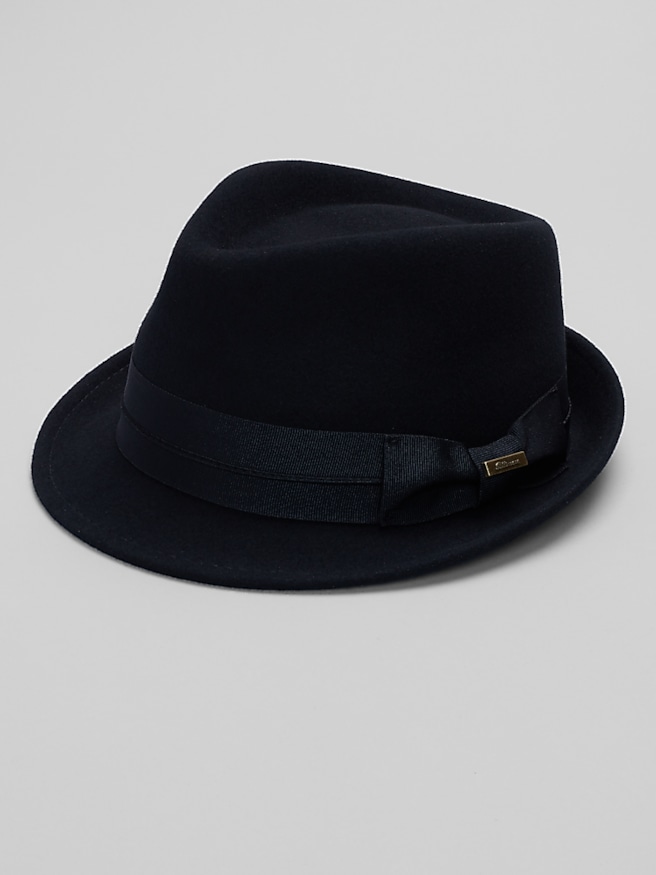
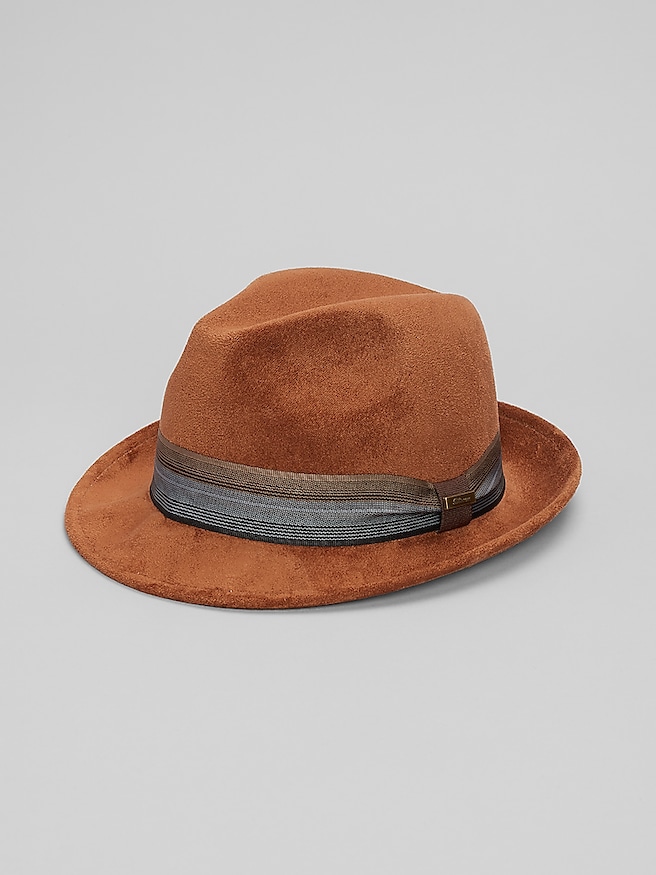
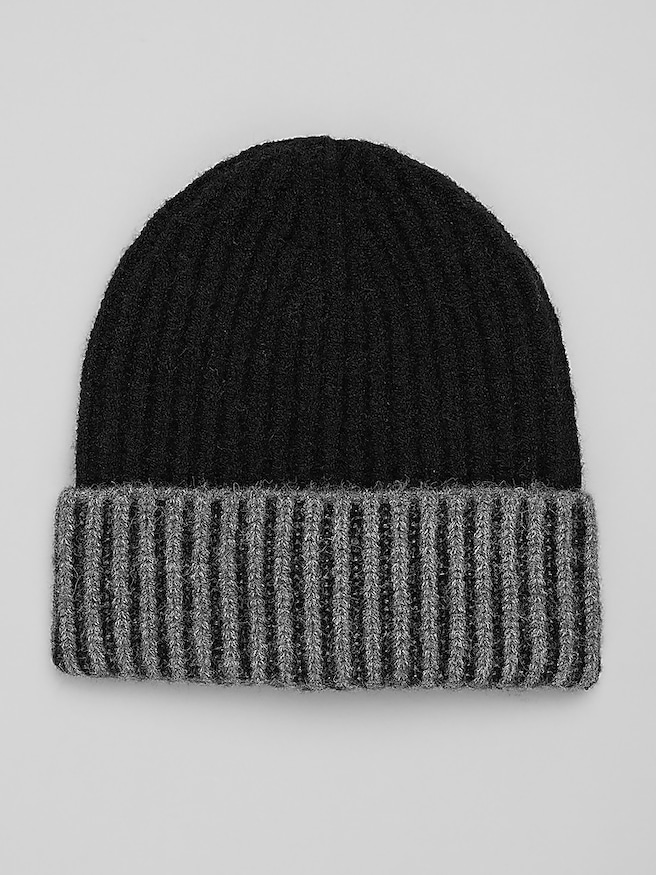
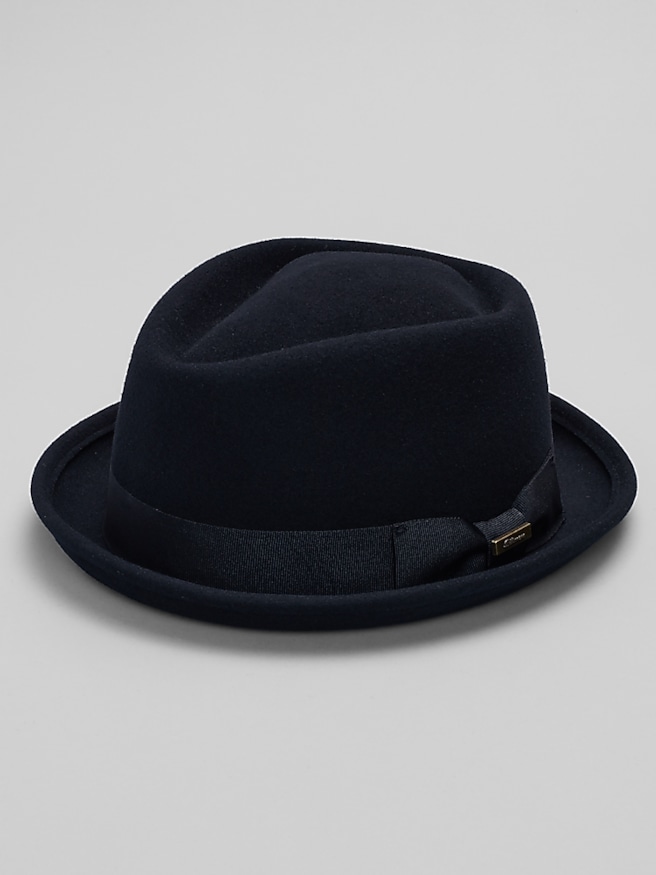
Personal style gives large hats their place in a wardrobe, whether the goal is a composed finishing touch or an easy everyday accessory. When exploring Men's Stylish Hats, fit deserves the same attention as color and shape. A fedora with a defined crown can complement the clean lines of a suit or sport coat, while a flat cap creates a lower, rounded profile that works naturally with a knit polo, an overshirt, or a casual jacket. A baseball cap takes a more relaxed approach, but its crown depth and panel construction still affect how balanced it looks and feels. Larger head sizes do not require one particular silhouette. Brim width, crown height, and the shape of the face all contribute to the overall impression, and personal preference remains more useful than a rigid styling rule. A medium brim may feel understated with a tailored outfit; a wider brim gives the hat a more noticeable presence. Charcoal, navy, brown, and black can connect easily with familiar wardrobe colors, while a contrasting band or textured fabric adds interest without making the whole outfit feel busy. For a wedding guest, a dinner out, a theater visit, or a family portrait, the best choice feels intentional alongside the rest of the clothing. Everyday use may put greater emphasis on easy handling, a comfortable inner band, and a shape that stays consistent between wears. Large hats can also make thoughtful gifts for someone who has repeatedly struggled with tight standard sizing. An accurate circumference measurement, a familiar hat shape, and an understanding of the recipient’s usual clothing are more helpful than guessing from height or build. Someone who favors understated tailoring may appreciate a simple band and a restrained profile, while a person with a more expressive wardrobe may enjoy distinctive texture or a stronger silhouette. In either case, the appeal is practical as well as personal: a hat that fits properly can become an accessory that gets worn, rather than one that stays tucked away.