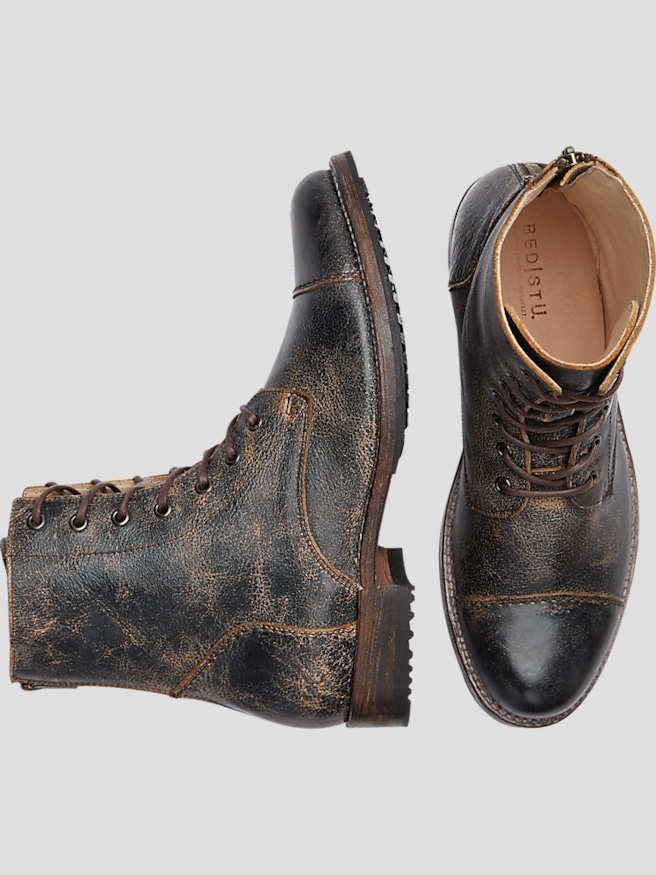
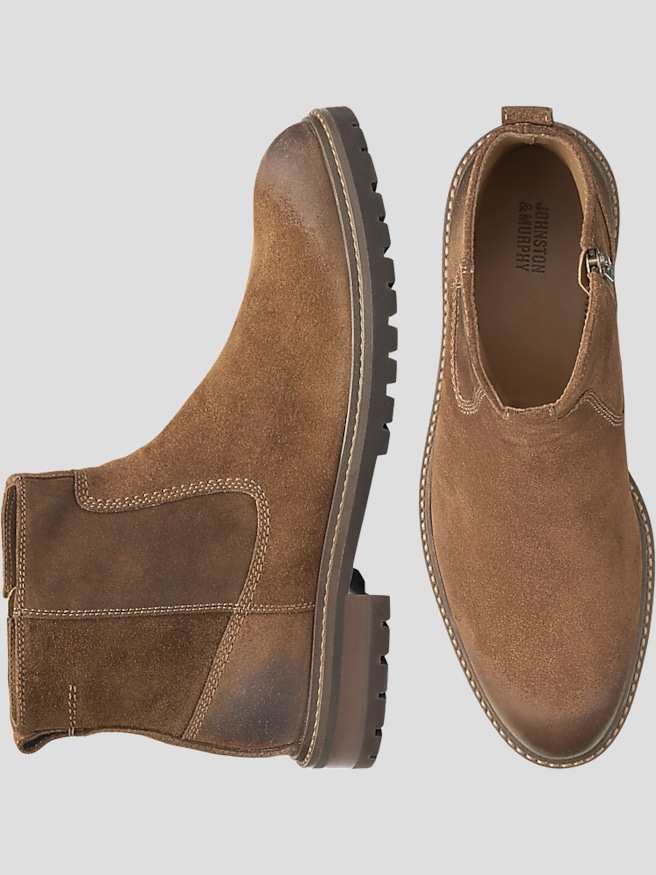
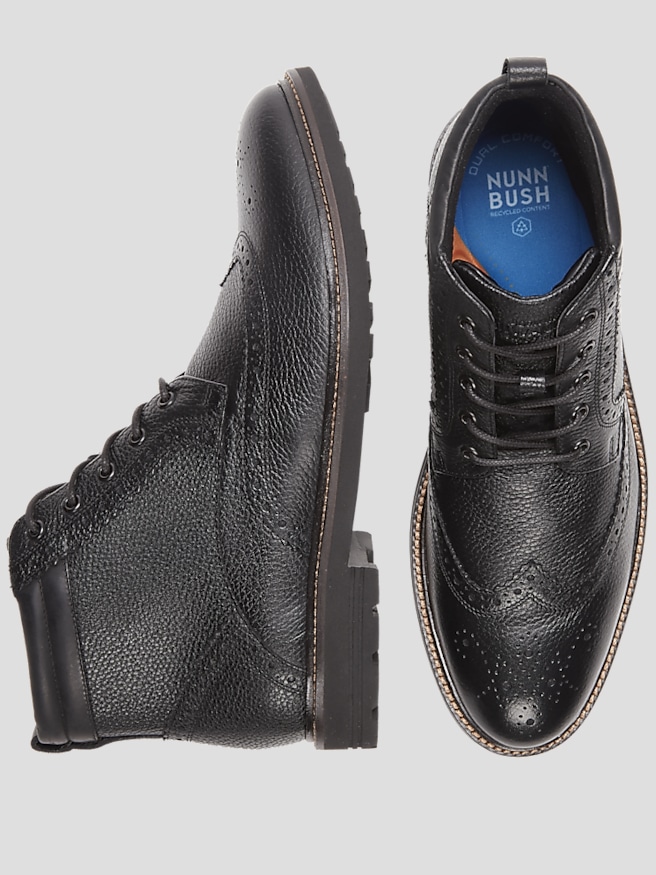
Lace-up fall boots bring an adjustable fit, substantial texture, and a grounded finish to cool-weather clothing. Their lacing allows the upper to sit more closely around the instep and ankle, while the shape of the toe, height of the shaft, and profile of the sole determine whether a pair feels rugged or refined. For everyday wear, ankle-height boots fit naturally beneath straight-leg jeans or chinos, adding enough weight to balance a sweater, overshirt, or wool coat without overwhelming the outfit. A rounded toe and visible tread lean casual; a slimmer profile and understated stitching can work with tailored trousers in an office where the dress code allows boots. Brown shades complement dark denim, olive, navy, and oatmeal, while black creates a sharper line with charcoal trousers and darker outerwear. The appeal extends beyond appearance: adjustable laces accommodate small changes in sock thickness and help keep the foot secure during a commute, an afternoon downtown, or an evening gathering. That adjustability does not replace the need for the right size, but it offers more control over fit than a fixed opening. Closely spaced eyelets give the front a tidy appearance, while metal hooks near the collar can make taller shafts easier to lace. Shaft height also affects how a trouser hem falls, so a clean break or modest cuff can keep fabric from bunching above the boot. For men who move between casual workdays and relaxed weekends, lace-up boots provide a useful middle ground between low-profile dress shoes and purpose-built outdoor footwear. They look at home beside corduroy, brushed cotton, and textured knitwear, with enough visual substance for layered outfits as temperatures drop. A polished leather pair can make dark jeans feel more considered at dinner, while a softly textured upper lends an easy finish to a flannel shirt and quilted jacket. The most versatile choice is usually the one that suits the clothing and walking conditions already part of a regular routine.
Material and construction shape how fall boots feel, age, and respond to everyday wear. Smooth leather can develop creases and character over time, and many finishes respond well to appropriate conditioning and polishing. Full-grain leather retains its natural surface, although thickness, tanning, and finishing also influence softness and durability; the leather label alone does not tell the whole story. Suede has a napped surface that adds depth to muted seasonal colors, while nubuck offers a fine, velvety texture. Both call for care suited to their finish, especially when damp sidewalks and road residue become part of the day. For a closer focus on this material, leather fall boots offer another way to explore the balance of texture, structure, and everyday styling. Linings matter, too: uninsulated boots may be more comfortable for someone spending much of the day indoors, while insulated construction can be useful for longer stretches outside in cold conditions. A boot that looks sturdy is not automatically waterproof. Water resistance depends on the upper, seams, tongue construction, and any protective membrane or treatment, so weather protection should be an explicit feature rather than an assumption. A gusseted tongue can help limit entry of debris and moisture through the lace opening, but it does not by itself make the whole boot waterproof. Underfoot, rubber soles vary in flexibility, weight, and grip. Deeper lugs can be useful on loose ground, whereas a lower-profile tread often looks cleaner with business-casual clothing and may collect less dirt. Neither an aggressive tread nor a heavy sole guarantees traction on ice. For long walks between a train platform and an office, manageable weight and cushioning may matter more than an imposing silhouette. For mostly indoor occasions, a flexible sole and smooth transition from heel to toe can make a substantial boot feel less cumbersome. Secure stitching, neatly finished edges, and firmly attached hardware are useful signs of careful assembly, while repair options depend on the particular construction rather than appearance alone.
Fit is what makes lace-up fall boots practical beyond their first outing. The heel should feel held without painful pressure, the toes should have room to move, and the widest part of the foot should align comfortably with the widest part of the boot. Some leather uppers soften with wear, but a break-in period should not be expected to correct a cramped toe box or the wrong length. Trying boots with the socks intended for everyday use gives a more realistic sense of volume, especially when switching from lightweight dress socks to a thicker wool blend. Feet may swell through the day, making an afternoon fitting useful, and anyone wearing orthotics needs enough interior room for the insert without crowding the top of the foot. Laces should secure the instep without creating numbness or leaving the ankle rigid; repeated heel lifting or toes sliding forward can signal a mismatch in size or shape. Comfort also depends on the daily setting. A pair suited to short walks and indoor gatherings may not provide the support or weather protection needed for extended outdoor use, and casual boots are not substitutes for footwear with required workplace safety ratings. Thoughtful care helps preserve both finish and structure. Surface dirt is easier to remove before it settles into seams, smooth leather benefits from compatible care products, and suede generally needs a suitable brush rather than ordinary shoe polish. Wet boots should dry naturally away from radiators and other direct heat, with the laces loosened and removable insoles taken out when the care instructions allow. Resting boots between wears helps the interiors dry, while suitable shoe trees can support their shape. Laces and heels deserve occasional attention as well, since fraying or uneven wear can affect function before the upper looks worn out. As a gift, lace-up boots suit someone who appreciates useful wardrobe additions, provided their size, width, and preferred fit are known. Familiar colors, a comfortable shaft height, and a shape that matches their usual trousers can turn a seasonal gift into footwear that earns repeated wear through the cooler months.