Kids clothing brings together everyday comfort, practical construction, and styles suited to school, family gatherings, and special occasions. Children need clothing that feels good while sitting at a desk, reaching for a backpack, or joining a group photo without constant adjustments. Everyday apparel generally emphasizes easy movement and straightforward care, while dress clothing adds structure, coordinated colors, and a more polished appearance. The most useful wardrobe balances those needs rather than treating comfort and presentation as opposites. A neat collar can still feel soft against the neck, and a tailored silhouette can leave enough room to sit comfortably through a ceremony. Fabric plays an important part in that balance. Cotton is commonly used for its softness and breathability, though its tendency to wrinkle or shrink depends on the fabric construction, finishing, and care. Cotton blends can combine a familiar feel with improved shape retention or easier maintenance. Polyester often contributes wrinkle resistance and durability, while wool can offer a refined appearance and natural resilience in tailored clothing. A small amount of stretch may make bending and reaching easier, but the overall cut matters just as much as fiber content. Smooth linings, flexible waistbands, and seams that do not rub can make a noticeable difference over several hours of wear. Fabric weight also affects how clothing hangs: a lighter material may feel less substantial, while a more structured fabric can help a dressier outfit hold its shape. Neither is automatically better; the intended use helps determine the right balance. For children who are sensitive to texture, a stiff label or scratchy seam can matter more than the look of the finished outfit. Clothing that feels comfortable from the first button to the last hem is more likely to be worn willingly, whether the day involves a classroom presentation, a birthday dinner, or time with family.
Fit is especially important in kids clothing because children can grow at different rates through the shoulders, torso, waist, and legs. Age-based sizing offers a starting point, but height and body measurements usually provide a clearer picture than an age label alone. Size charts can also differ between clothing categories, so a familiar size does not always translate directly from casual apparel to tailored clothing. A comfortable fit leaves room for ordinary movement without excess fabric bunching at the waist or swallowing the hands. Shoulder seams should generally sit near the natural shoulder, collars should fasten without pressing into the neck, and waistbands should stay in place without digging in. For dressier outfits, checking the fit while seated is just as useful as looking in a mirror while standing. A child may look perfectly comfortable for a quick photo but feel restricted after sitting through a long meal or performance. Sleeves that slide over the hands and hems that catch beneath shoes can make an oversized outfit awkward rather than practical. Allowing a little growing room makes sense, but buying much too large can interfere with movement and make proportions look unbalanced. Adjustable features can help accommodate gradual changes without relying on extra length everywhere. Construction deserves equal attention, particularly for clothing that will see repeated wear. Secure buttons, evenly stitched seams, and well-finished edges help garments withstand the tugging and friction of an active day. Reinforcement at high-stress areas can be useful, although no fabric or seam is completely resistant to wear. Easy-to-manage closures also support independence: a child who can fasten a waistband or straighten a collar without help has one less interruption between getting dressed and heading out. Personal preference matters, too. A favorite color, a softer texture, or a less restrictive cut can make a polished outfit feel familiar instead of like a costume. The best fit supports both the occasion and the child wearing it.
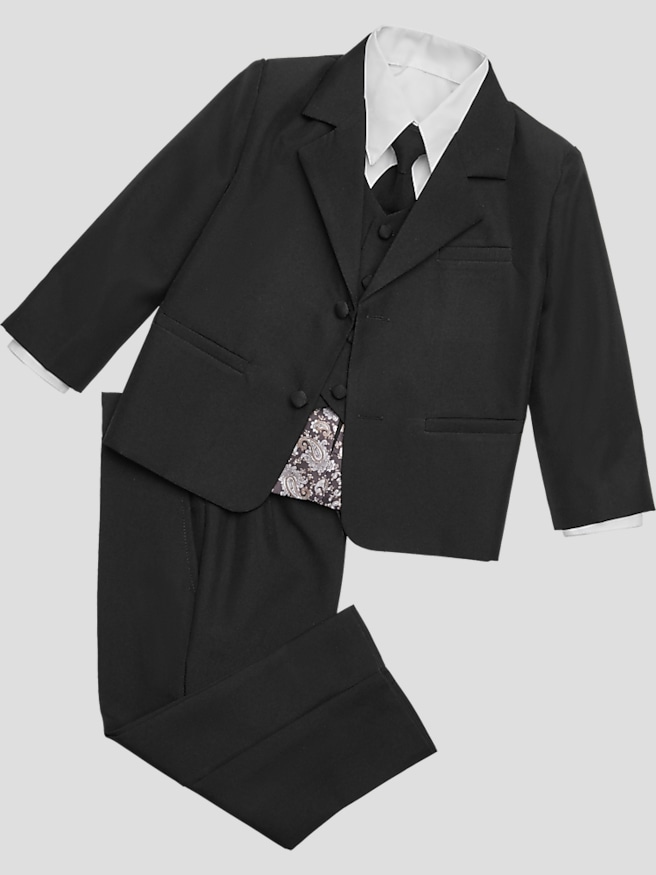
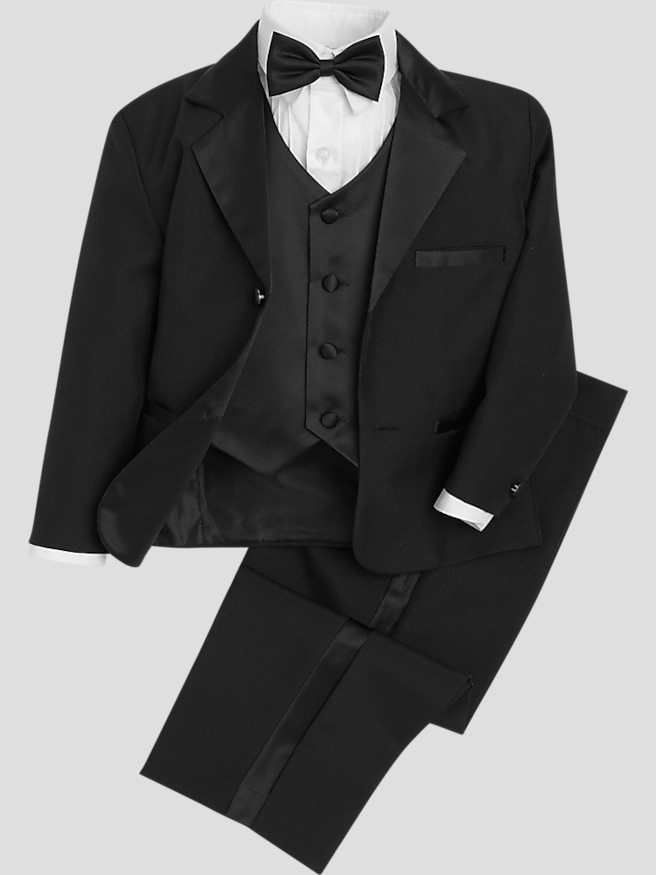
Dressier kids clothing gives families a way to mark important moments without losing sight of how children actually move and behave. School performances, milestone celebrations, portraits, and ceremonies often call for a more coordinated appearance than an ordinary day. Simple color combinations can create that effect without requiring every piece to match exactly; navy, gray, and other versatile neutrals offer a quiet foundation, while a small accent can reflect a child’s personality. For celebrations with a specific dress code, Children's Wedding Clothes connects the occasion with clothing considerations such as formality, coordinated colors, and comfort through the ceremony and reception. A child participating in the wedding party may need a more closely coordinated outfit than a young guest, but both benefit from clothing that allows sitting, walking, and reaching easily. Trying the complete outfit on together helps reveal details that separate fittings can miss, such as a collar that feels crowded once fastened or a waistband that becomes uncomfortable when a shirt is tucked in. Care requirements are another practical part of choosing clothing for repeated use. The sewn-in care label should determine whether a garment is machine washable, needs a gentle cycle, or requires professional cleaning. Similar-looking fabrics can have different requirements because of linings, trims, or internal construction. Prompt attention to spills, careful drying, and appropriate storage can help preserve shape and appearance. Structured garments benefit from supportive hangers, while knits are often better stored folded to avoid stretching. Clothing intended for frequent school wear may need a simpler care routine than an outfit worn for occasional celebrations. When clothing is given as a gift, up-to-date measurements, texture preferences, and the recipient’s usual activities make the choice more personal and useful. A thoughtfully chosen outfit can become part of a memorable photograph or a familiar routine, combining an appearance suited to the moment with the comfort children need throughout the day.