Toddler clothing is made for the busy stretch between babyhood and early childhood, when getting dressed needs to leave plenty of room for walking, climbing, sitting on the floor, and trying things independently. Everyday outfits often center on soft shirts, pull-on pants, comfortable knits, and easy layers, while dressier clothing brings a more polished look to family gatherings and milestone celebrations. The most useful pieces balance freedom of movement with a fit that stays in place: waistbands that feel comfortable when seated, sleeves that leave hands free, and pant hems that do not drag under small feet. Toddler size labels commonly include 2T, 3T, 4T, and 5T, but these labels are a starting point rather than a guarantee of fit. Height, weight, body proportions, and the maker’s size chart provide a clearer picture than age alone. A child may need one size in a shirt and another in pants, especially during a growth spurt. The distinction between 24-month and 2T clothing also varies by maker; some baby sizes allow more space through the seat for a diaper, while toddler cuts may have longer, leaner proportions. Comfortable ease matters more than simply choosing a larger size. Excess fabric can bunch at the waist, slip over the hands, or make walking awkward, whereas a well-proportioned outfit leaves space to bend and reach without looking oversized. For daycare, playdates, and outings, straightforward combinations make changes easier and give caregivers more flexibility. Solid colors, small-scale patterns, and familiar shades can work across several outfits without requiring every piece to match exactly. A favorite shirt can feel just as comfortable with soft everyday pants as it does with a neater pair for a family meal. That versatility is especially helpful for children who prefer familiar clothing and may be reluctant to trade a well-loved outfit for something that feels entirely new.
Fabric and construction have a direct effect on how toddler clothes feel throughout the day and how well they hold up to repeated wear. Cotton jersey is soft and flexible, making it a familiar choice for tops and casual clothing worn close to the skin. Woven cotton can give shirts and pants a crisper appearance, while twill offers a more structured feel that suits both everyday dressing and less formal celebrations. Blended fabrics may add stretch, help clothing retain its shape, or reduce wrinkling, depending on their composition. A small amount of stretch can be useful across the seat, knees, and elbows, where movement puts fabric under tension. Interior details deserve as much attention as the outside appearance. Smooth seams, soft waistband interiors, and comfortable labels help keep an otherwise appealing outfit from becoming distracting after a few minutes of wear. Closures also shape the daily experience of getting dressed. An elastic waist can simplify bathroom visits, a generous neckline can make a shirt easier to pull on, and accessible fastenings can help a caregiver manage a quick change. For children practicing dressing skills, uncomplicated clothing offers opportunities to participate without turning every change into a lengthy task. Durability comes from more than fabric weight: secure stitching, firmly attached fastenings, and well-finished hems all matter when clothing is repeatedly pulled on, washed, and worn again. Knees and seats tend to see plenty of contact with floors and playground surfaces, so resilient fabrics are useful for active days. Care requirements matter, too. Machine-washable clothing can fit easily into a household laundry routine, but the care label remains the best reference for washing and drying. Excessive dryer heat can affect size, stretch, and surface appearance in some fabrics. Prompt attention to food marks and other everyday stains, using methods appropriate to the material, helps preserve clothing for another outing or a younger sibling.
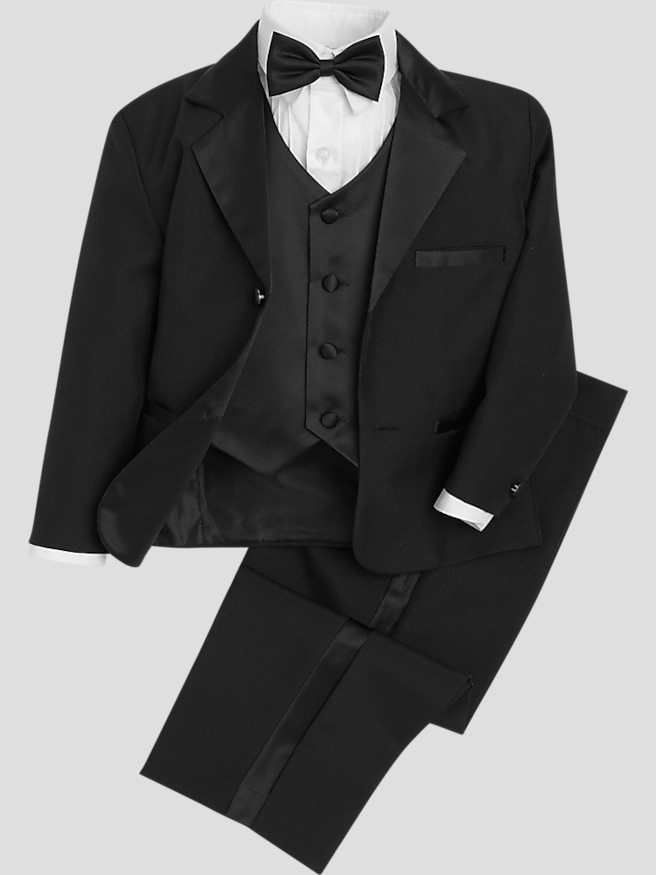
Dressier toddler clothing brings the same comfort considerations to weddings, family portraits, religious celebrations, and other occasions that call for a more finished look. A polished outfit does not have to feel rigid or unfamiliar. Soft shirt fabrics, comfortable waistbands, and enough room through the shoulders help a child stay at ease while sitting through a ceremony, being carried, or joining a group photograph. For coordinated occasion dressing, toddler suits provide a traditional foundation that can complement the broader family’s attire without requiring identical outfits. Proportion makes a noticeable difference: a jacket should allow the arms to move, a shirt collar should sit comfortably at the neck, and pants should have a clean length without gathering heavily around the shoes. A vest can add definition to an outfit while leaving the arms unrestricted, and a simple shirt-and-pants combination can suit gatherings with a more relaxed dress code. Small patterns and textured fabrics offer visual interest in photographs, while solid shades make coordination straightforward. Clothing that looks appealing on a hanger still needs to work through the real activities of the occasion, from a meal at a reception table to a long stretch on a caregiver’s lap. An outfit that remains comfortable when seated is often more practical than one judged only while standing still. Familiar shoes and a spare change of clothing can also make a longer celebration easier to manage. Toddler clothing can be a thoughtful gift for birthdays, family milestones, or a child’s first formal occasion, especially when the choice reflects the child’s measurements and the household’s care preferences. Easy-care fabrics and pieces that coordinate with an existing wardrobe are particularly useful. Whether the purpose is everyday play or a special gathering, the strongest choices combine a child-sized fit, comfortable materials, dependable construction, and details that make getting dressed feel manageable for everyone involved.