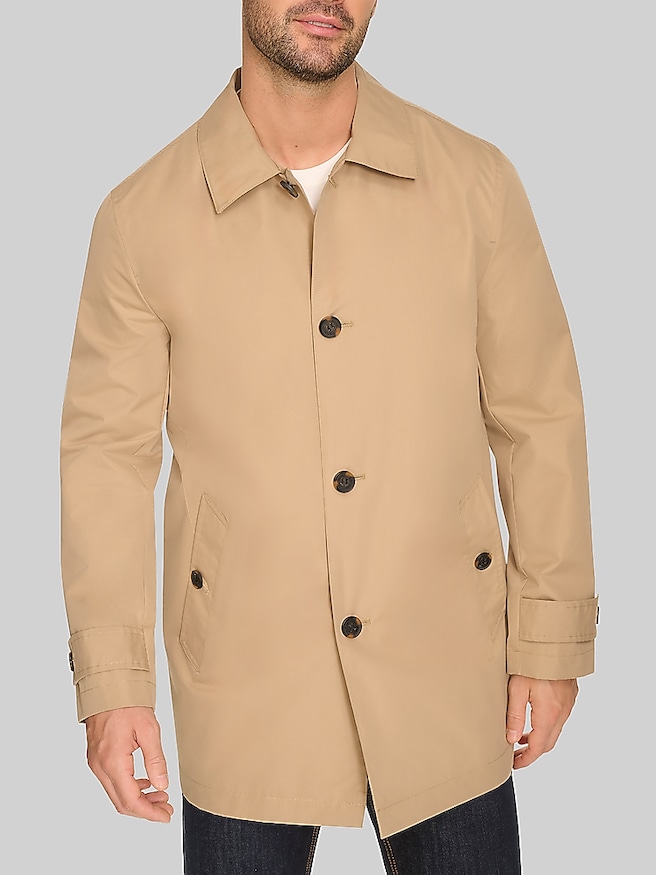
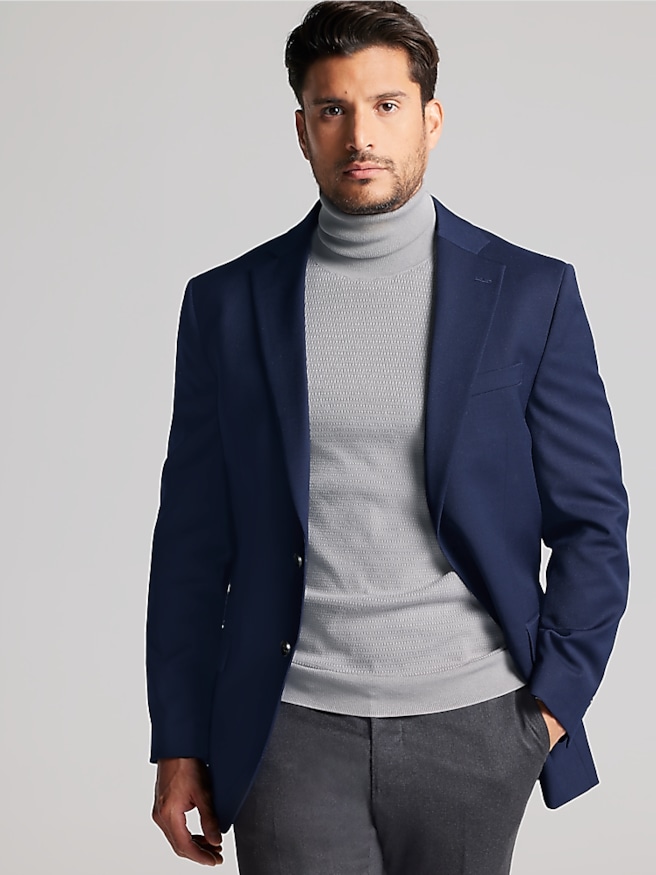
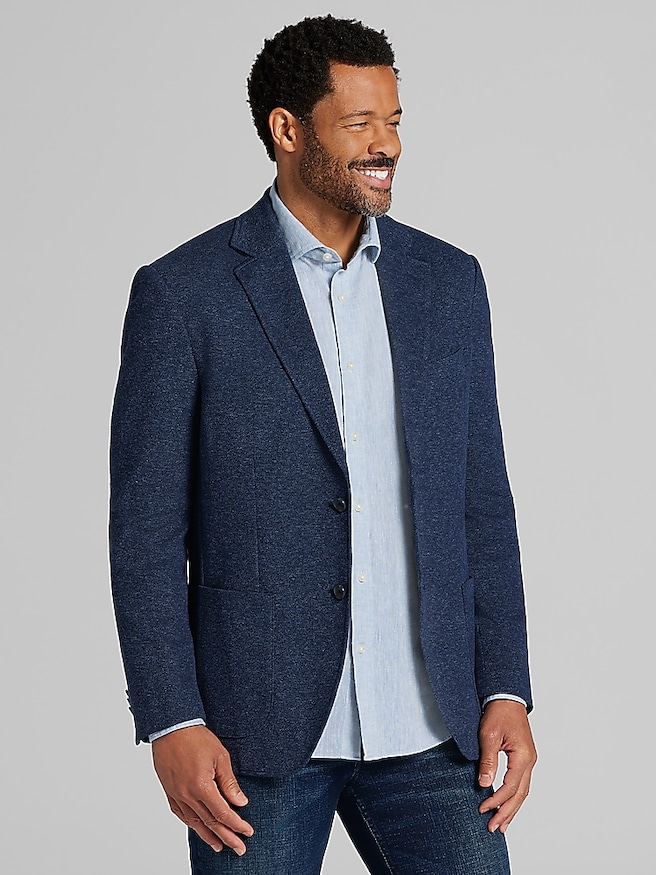
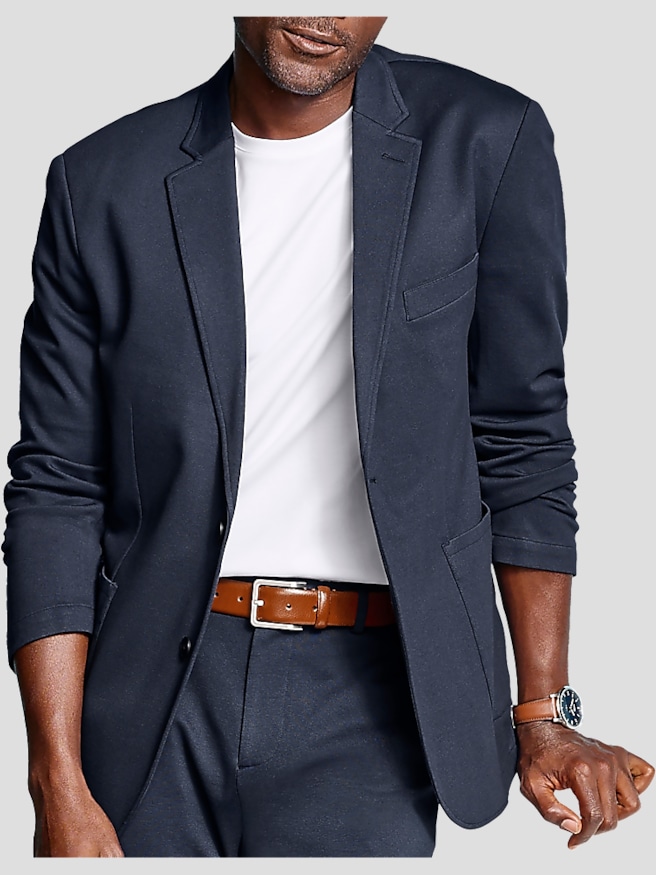
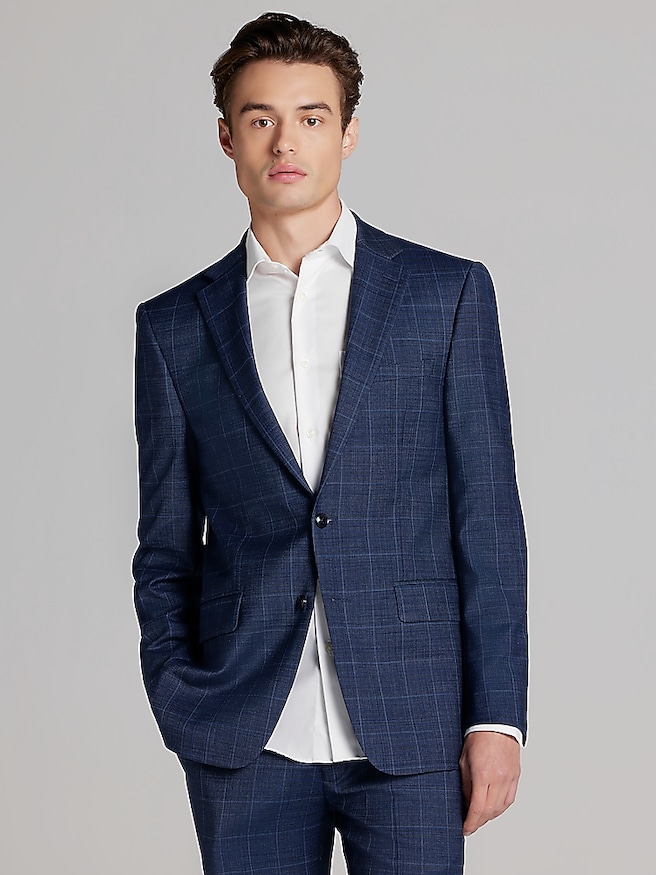
Khaki blazers are tailored jackets in shades of tan, beige, and sandy brown that bridge the space between a suit jacket and a casual layer. Their neutral color works with navy, charcoal, cream, olive, and denim, making them useful for business-casual offices, dinners, daytime celebrations, and other occasions that call for a polished look without a matching suit. Khaki describes the color rather than a single fabric, so the material and construction make a substantial difference in how a blazer looks and feels. Cotton twill has a recognizable diagonal weave and a grounded, slightly casual character; wool can provide a smoother drape and a more refined finish. Linen brings visible texture and a relaxed appearance, including the natural creasing associated with the fiber. Blended fabrics may combine these qualities, while a small amount of stretch can add give during everyday movement. Fabric content alone does not establish wrinkle resistance, washability, or durability, so those details depend on the individual garment’s construction and care label. The shade matters, too: pale beige creates a softer contrast with dark trousers, while a deeper khaki has more visual weight alongside indigo denim or charcoal dress pants. A fine, even weave often reads as dressier than a pronounced slub or textured surface. Construction adds another distinction. A softly shaped shoulder and minimal internal structure give a khaki blazer an easygoing feel, while a more defined shoulder and structured chest create a sharper silhouette. Neither approach is inherently better; the useful distinction is how the jacket fits into an existing wardrobe. Someone who spends most days in tailored trousers may appreciate a cleaner, more structured shape, while someone moving between an office desk, client lunch, and dinner may favor a softer jacket that feels less formal. Buttons, pocket shapes, and lapel proportions complete that impression. Patch pockets tend to reinforce a relaxed look, while flap or welt pockets can appear more tailored, depending on the rest of the design.
A well-fitting khaki blazer should look composed without restricting the movements that fill an ordinary day. The shoulder seam generally belongs near the natural edge of the shoulder, and the collar should rest close to the shirt collar rather than stand away from the neck. Across the chest, the fabric should lie relatively smoothly when the jacket is fastened, without pronounced pulling around the button. There should also be enough room to sit, reach across a table, or carry a bag without feeling tightly held through the upper back. A slim silhouette follows the body more closely, while a roomier cut leaves additional space through the chest and waist; the most flattering choice depends on build, comfort, and what will be worn underneath. A dress shirt requires less space than a substantial knit, and that difference can affect how neatly the jacket closes. Sleeve length deserves attention because sleeves that extend over the hands can make an otherwise good fit look oversized. With a long-sleeve dress shirt, a small amount of cuff showing below the jacket sleeve creates a clean finish. Jacket length should balance the torso and legs, with enough coverage through the seat to maintain a tailored outline rather than an abbreviated look. These proportions are easier to assess while wearing the trousers and shoes intended for the outfit. Alterations can refine certain details, especially sleeve length and the waist, but shoulders and overall jacket length are more complicated to change. Interior construction also influences daily comfort. A smooth lining helps the jacket slide over a shirt, while partial lining or an unlined interior can create a less structured feel. Neatly finished seams, secure buttons, and pockets that lie flat are practical details worth noticing. Rear vents should hang cleanly when standing, and pockets look best when they are not weighed down with a phone, keys, and a bulky wallet. For someone who wears a blazer frequently, that balance of fit, movement, and tidy construction matters more than a narrowly defined silhouette.
The appeal of khaki blazers is especially clear in outfits built from familiar pieces. A white button-down shirt, navy trousers, and brown leather loafers create a dependable combination for an office presentation or a dinner reservation. An Oxford shirt and dark, clean-finished jeans make the same jacket feel more relaxed, while charcoal trousers and a subtly textured tie give it a dressier direction. Cream trousers can create a tonal outfit, provided the shades and textures are distinct enough to look intentional rather than like a mismatched suit. A fine-gauge crewneck or a simple, substantial T-shirt offers another way to soften the tailoring when the occasion permits. Footwear helps establish the level of formality: leather lace-ups look more polished, loafers feel less formal, and minimal sneakers work best in clearly casual settings. A khaki blazer can also suit a wedding guest or someone attending a graduation or family celebration, although the invitation and dress code should determine whether separates are appropriate. As a gift, it makes the most sense for someone whose jacket size, fit preferences, and usual wardrobe are already known. Long-term appearance depends on care as much as styling. A broad, shaped hanger supports the shoulders, and allowing the jacket to air between wears helps keep it fresh. A suitable garment brush can remove surface dust, while prompt attention to spills reduces the chance of a lasting mark; rubbing aggressively can damage the fabric or spread the stain. Cleaning and pressing should follow the care label, particularly with blends, linings, and structured interiors. Machine washing is appropriate only when expressly permitted, and high heat can distort fibers or affect the jacket’s shape. Rotating wears and avoiding overfilled pockets help preserve its lines. For a contrasting take on a versatile tailored layer, Navy Knit Blazers bring a deeper color and knit texture to many of the same outfit combinations. Khaki remains distinctive for its understated warmth of color and its ability to make everyday separates look considered without feeling overly formal.