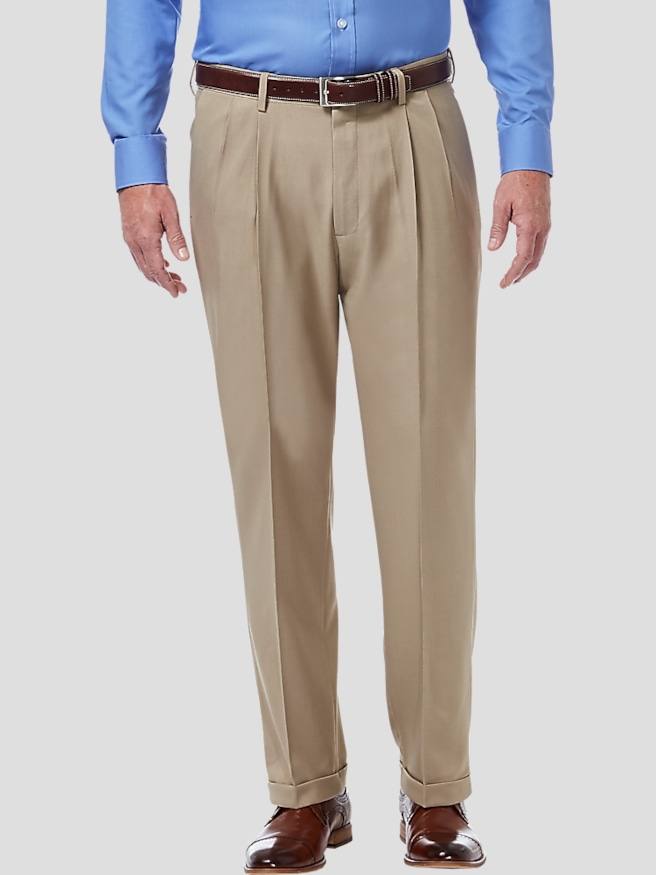
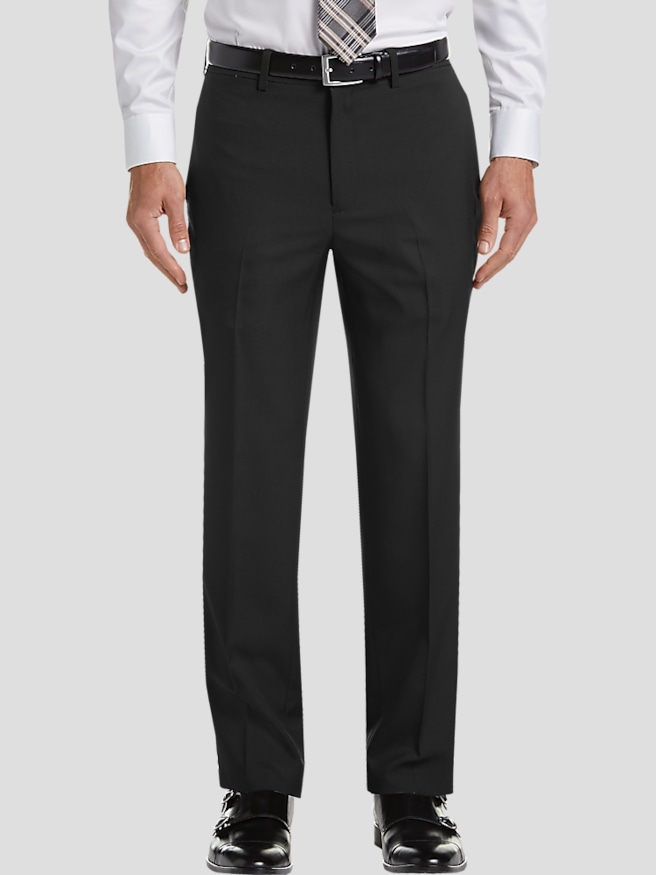
Tailored pants bring a sense of purpose to an outfit without requiring a full suit. A smooth waistband, a clean line through the leg, and a hem that sits neatly over a shoe can make a simple shirt look ready for a client meeting, an evening reservation, or a family celebration. That versatility is especially useful in wardrobes that move between business casual and more polished settings. Dress pants provide structure, while softer fabrics and stretch blends can make that structure easier to wear through a full day. Materials play a large part in the experience: polyester blends may help fabric maintain a neat appearance, rayon can contribute softness and fluid drape, and a small amount of elastane can provide flexibility when sitting or walking. Wool and wool-blend fabrics have their own appeal, bringing natural texture and a refined finish to tailored clothing. The composition of each garment matters more than broad assumptions about how dress pants should feel, and its fabric information helps distinguish a crisp, lightweight construction from something more substantial. During the cooler months, a slightly fuller fabric can sit comfortably alongside knitwear and layered outfits, while a smoother, lighter weave may suit heated offices and busy indoor gatherings. Color also shapes how often a pair becomes part of the weekly rotation. Charcoal and navy work easily with pale shirts, dark sweaters, and leather footwear; medium gray offers a softer contrast that feels equally appropriate at a desk or across a dinner table. Black creates a sharper visual effect, particularly with a restrained palette and carefully maintained shoes. Subtle texture can add depth without the visual emphasis of a bold pattern. For someone building a professional wardrobe, returning to an office routine, or simply looking for an alternative to denim, well-chosen pants offer a practical foundation. Their value in an outfit comes from how naturally they support the rest of it, rather than from drawing attention on their own.
Fit determines whether that polished appearance lasts beyond the first glance in a mirror. Pants should sit securely at the intended waist position without relying on a tightly cinched belt, and the front should lie reasonably flat when standing. Horizontal pulling across the hips, pockets that flare open, or fabric that catches at the thighs can interrupt the line of the garment and make everyday movement less comfortable. A slim silhouette generally follows the leg more closely, while a straighter cut leaves additional space through the thigh and lower leg; neither description replaces the need to consider individual proportions. Someone with fuller thighs may find that a little more room produces a cleaner result than a narrower cut, especially after sitting through a meeting or climbing a flight of stairs. Rise is another important detail because it affects where the waistband rests and how comfortably the pants move with the body. A balanced fit provides enough room through the seat without excess fabric gathering beneath it. Length gives the silhouette its finishing touch. A hem with little or no break creates a crisp outline, while a modest break allows a small fold where the fabric meets the shoe. Too much length can collect around the ankles and obscure an otherwise careful fit. The footwear worn most often with the pants is a useful reference when assessing the hem, since a low-profile loafer and a more substantial lace-up support fabric differently. Small alterations to the waist or length may refine the result, depending on the garment’s construction and seam allowance. For daily wear, comfort should hold up through ordinary actions: reaching for a bag, stepping into a car, or settling into a chair. Stretch can help, but it should complement sufficient room rather than compensate for a fit that is too tight. The most convincing tailored look feels composed in motion, with pockets lying flat, seams falling smoothly, and enough ease to get through the day without repeatedly adjusting the waistband.
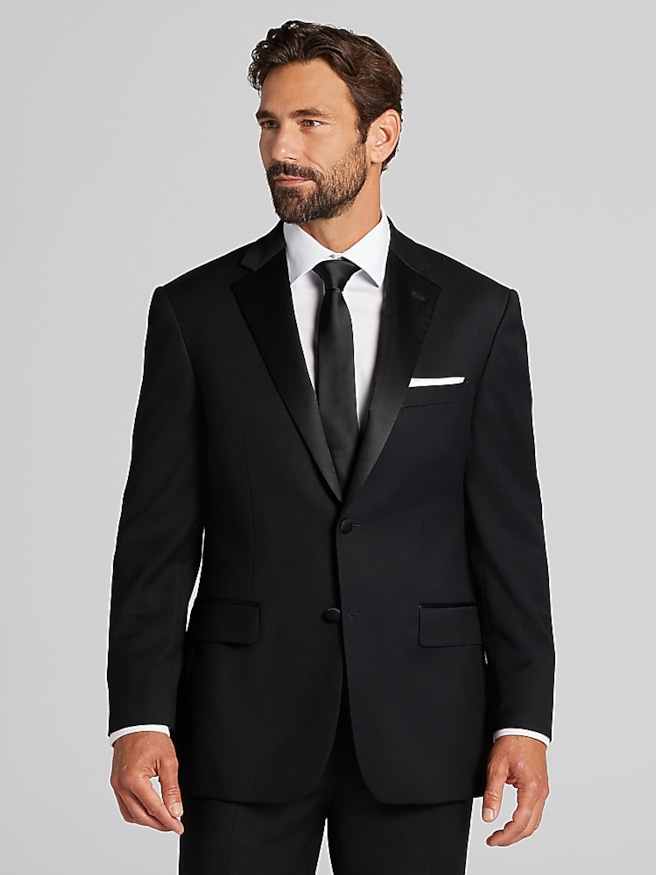
The styling possibilities extend well beyond a matching jacket. A tucked-in button-down and a leather belt create a straightforward office outfit, while a fine-gauge sweater brings a quieter, more relaxed finish to the same general silhouette. For an evening gathering, a softly structured jacket adds definition without making the outfit feel overly formal. Keeping the proportions in balance helps: a closer-fitting pair of pants works naturally with a tidy upper layer, while a straighter leg can support a sweater with a little more body. During the cooler months, the clean lines of Kenneth Cole Coats can complement a tailored outfit on the walk from the train station to the office or from the sidewalk to a restaurant. Once indoors, fabric condition and finishing details become more noticeable. Care begins with the garment label, since washable blends and fabrics requiring professional cleaning should not be treated alike. Excessive heat can affect stretch fibers or leave unwanted shine, and pressing settings should match the material. When permitted by the care instructions, gentle steaming can help release light wrinkles; a protective pressing cloth may be useful when a sharper crease is desired. Hanging pants neatly after wear helps preserve their shape, and giving them time to air between outings can reduce unnecessary cleaning. Empty pockets also help prevent persistent bulges and strain around openings. Durability depends on a combination of fabric, construction, fit, and handling: secure stitching, a smoothly operating closure, and sufficient ease at high-movement areas all contribute to dependable wear. Rotating pants rather than wearing the same pair every day gives the fabric time to recover and spreads out routine friction at the seat, thighs, and hems. As a gift for a graduate, a partner beginning a new role, or someone refreshing a work wardrobe, tailored pants are most thoughtful when the recipient’s measurements, preferred fit, and care habits are known. Whether worn for presentations, celebrations, or an ordinary day that calls for a sharper finish, the right pair earns its place through comfort, versatility, and a consistently neat appearance.