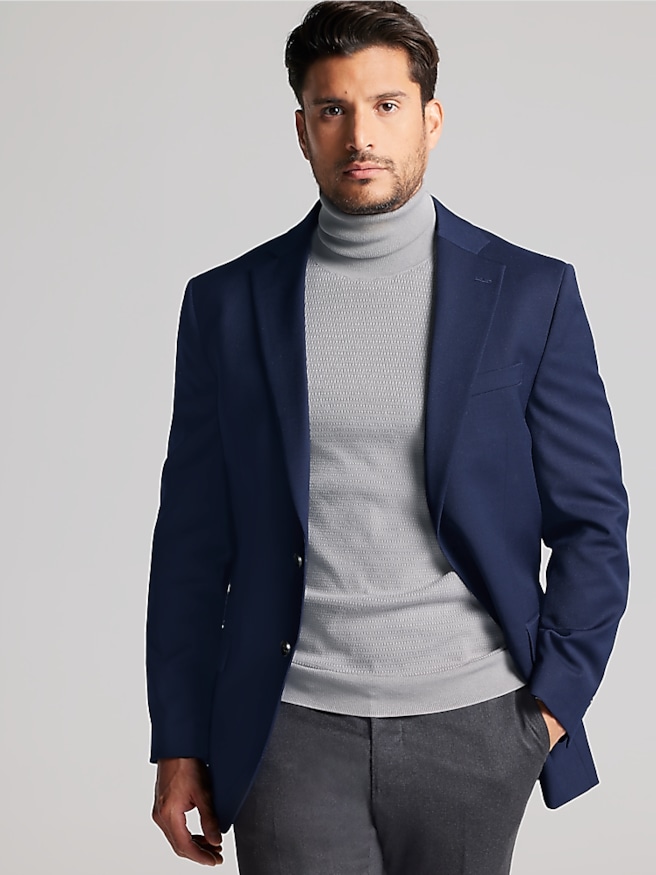
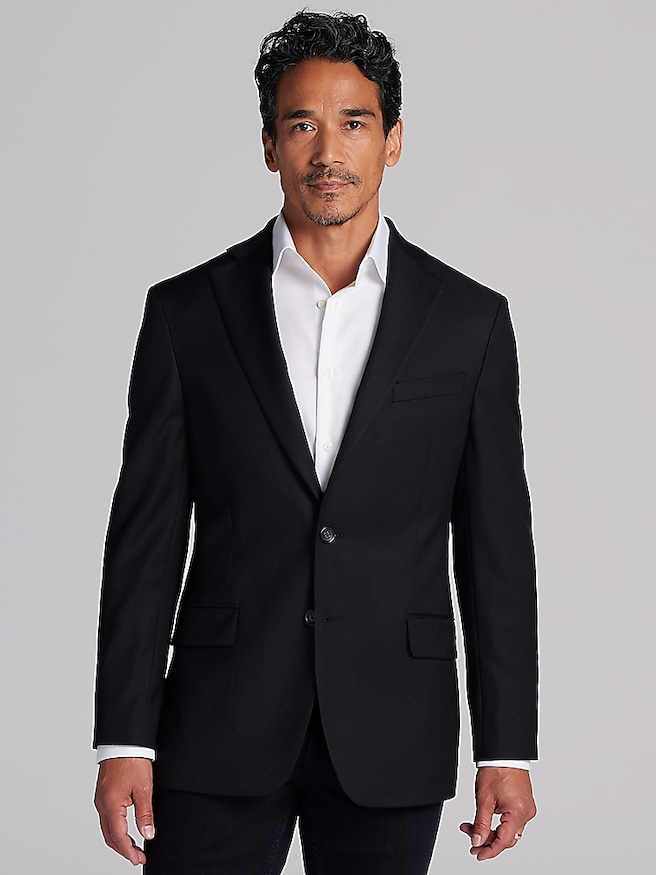
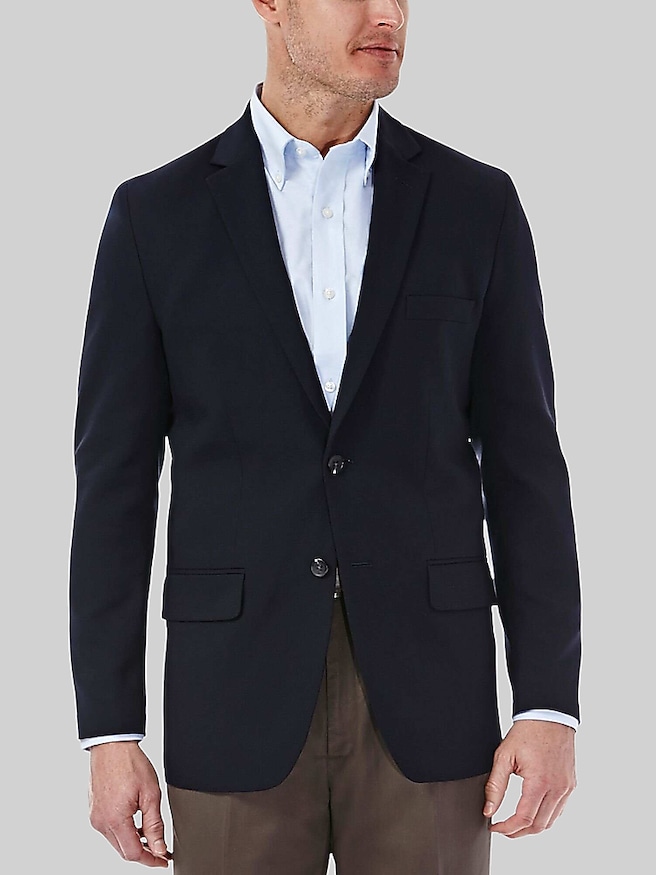
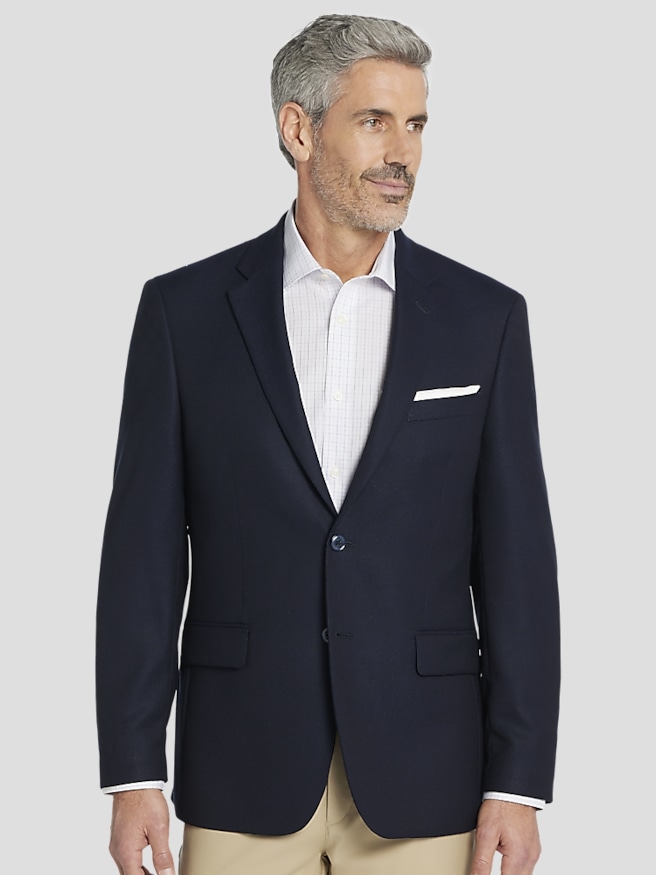
A well-chosen coat gives everyday clothing a finished look while adding a practical layer of comfort and protection. Clean lines, balanced proportions, and understated details make men’s coats useful across a wide range of settings, from an office entrance to a restaurant coat check. Tailored outerwear takes many forms, each with a distinct shape and purpose. An overcoat generally has enough length and structure to sit comfortably over a suit or sport coat, creating a continuous line rather than cutting across the jacket underneath. A peacoat brings a shorter, traditionally double-breasted silhouette with broad lapels and a substantial collar. Trench-inspired coats emphasize an elongated shape, often with a belt that allows some adjustment through the waist, while quilted coats use stitched sections to help keep insulation distributed throughout the garment. These distinctions affect more than appearance: length influences coverage, closures affect how easily a coat opens and fastens, and collar construction determines how the neckline sits against a shirt, sweater, or scarf. Someone walking several blocks between a train station and an office may value greater coverage and accessible pockets, while someone who spends much of the day driving may prefer a shorter hem that does not bunch on the seat. For business settings, a restrained silhouette can complement the shape of tailored clothing without competing with it. For everyday wear, a coat with softer construction can look equally natural over a knit polo, denim, or casual trousers. Dark neutrals make coordination straightforward, while charcoal, camel, and muted earth tones bring subtle contrast to familiar outfits. The most versatile choice is not necessarily the most formal one; it is the coat whose proportions, construction, and finish suit the clothing worn beneath it. Outerwear earns its place through repeated use, whether that means a daily commute, evenings out, or travel that calls for a polished layer without an overly dressed-up appearance.
Fabric and construction shape how a coat feels, how it moves, and how much attention it needs over time. Wool is valued for its insulating qualities, textured appearance, and ability to drape cleanly in tailored silhouettes. Wool blends pair wool with other fibers that can influence weight, softness, abrasion resistance, and shape retention; the fiber label is more informative than appearance alone. A dense, substantial fabric may feel reassuring for extended time outdoors, but its weight can also become noticeable when carried through a building or worn during a long commute. Synthetic shells, including polyester and nylon, can provide a smoother surface and a less bulky feel, depending on the weave and construction. Water resistance is a separate performance characteristic, not an automatic benefit of a synthetic fabric, and a water-resistant finish should not be confused with waterproof construction. Quilted outerwear may contain down or synthetic fill, with warmth depending on the insulation, its distribution, the shell, and the overall design. Lining also deserves attention because it changes the experience of putting on a coat: a smooth lining helps sleeves slide over a sweater or jacket instead of catching and pulling the layers out of position. Fit works best when evaluated with the clothing that will actually be worn underneath. A coat intended for office use needs room for a blazer through the shoulders, upper arms, and chest, while one worn mainly over a shirt can sit closer to the body. The front should fasten without pulling across the torso, and reaching forward should not create a strong tug across the back. Sleeves need to cover the underlying jacket sleeves without swallowing the hands, and the hem should work with both walking and sitting. A tailored fit can still allow easy movement; extra width everywhere is not a substitute for correctly placed shoulders and sufficient room through the arms. Pocket placement, cuff design, and fastening size add everyday convenience, especially when carrying a bag or wearing gloves.
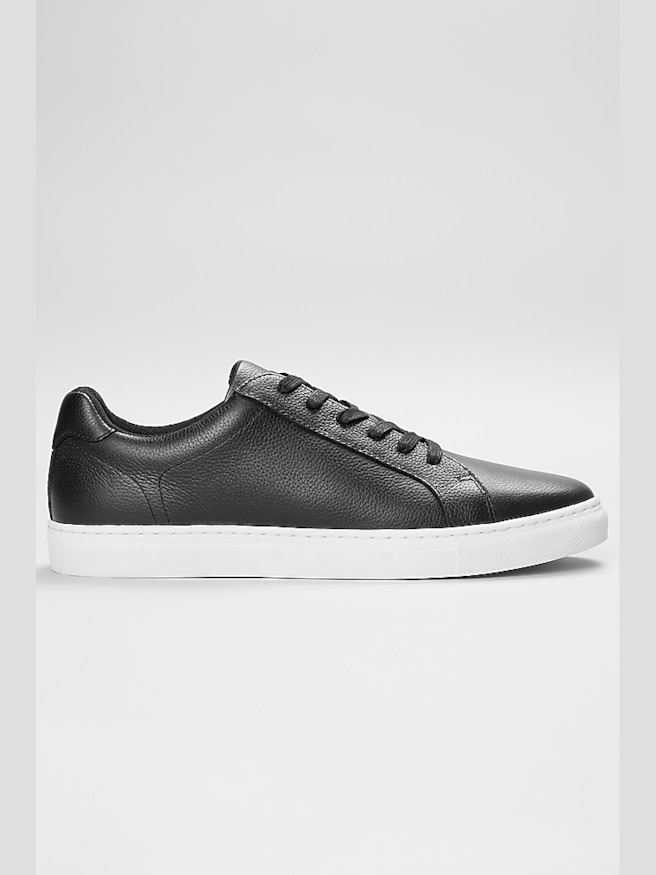
Thoughtful details and consistent care help a coat retain its appearance through regular wear. Even stitching, securely attached buttons, neatly finished buttonholes, and a zipper that moves smoothly are useful signs of careful construction, although no single detail guarantees longevity. Areas that experience frequent friction, such as cuffs, pocket openings, and the lining near the underarms, benefit from occasional inspection before small problems become larger repairs. Care should follow the sewn-in label rather than a general assumption about the fabric: some coats require professional cleaning, while others permit washing under specified conditions. Structured wool outerwear often benefits from gentle brushing to lift surface dust and lint, followed by airing between wears. A broad, supportive hanger helps preserve the shoulder shape, and enough closet space keeps lapels and sleeves from being compressed. Damp outerwear should dry as directed, away from concentrated heat that may affect fibers, finishes, or construction. Emptying pockets before hanging a coat reduces unnecessary strain and helps prevent the fabric from stretching out of shape. For longer storage, a clean, fully dry coat and a breathable garment bag can help protect the surface while allowing air circulation. These small habits are especially worthwhile for a coat worn frequently over work clothes or taken on repeated trips. Styling can remain simple: a tailored coat over a fine-gauge sweater and pressed trousers creates a composed outfit without requiring a suit, while a shorter silhouette works comfortably with denim and textured knitwear. For a more formal finish, Black Kenneth Cole Shoes can complement dark trousers and a clean-lined coat without drawing attention away from the overall outfit. A scarf adds texture near the face, while understated gloves keep the accessories visually coordinated. Coats can also make thoughtful gifts for someone starting an office role, building a tailored wardrobe, or replacing a much-worn outer layer. Knowing the recipient’s usual jacket size, preferred coat length, care preferences, and everyday routine makes the choice more personal and more likely to become part of regular wear.