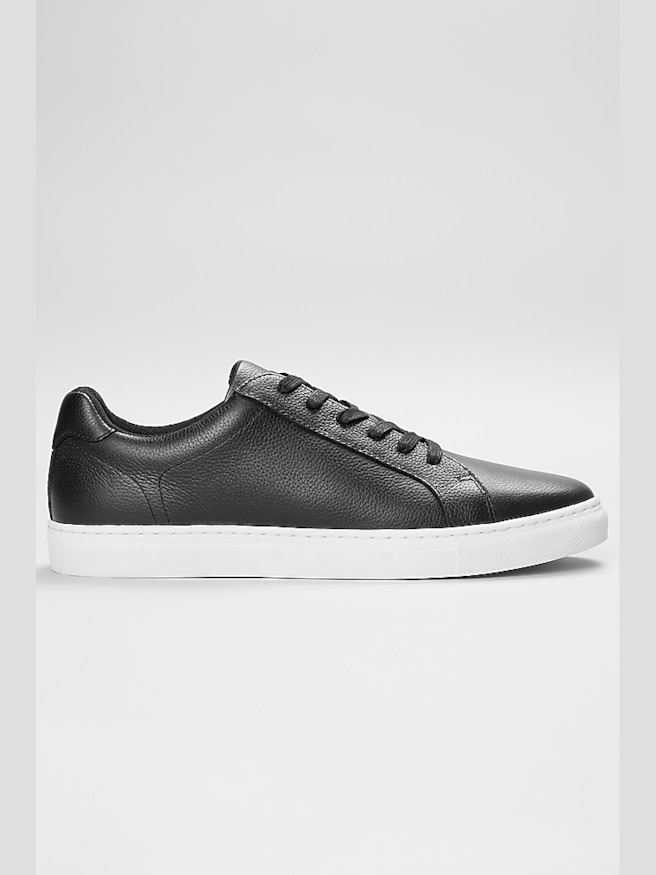
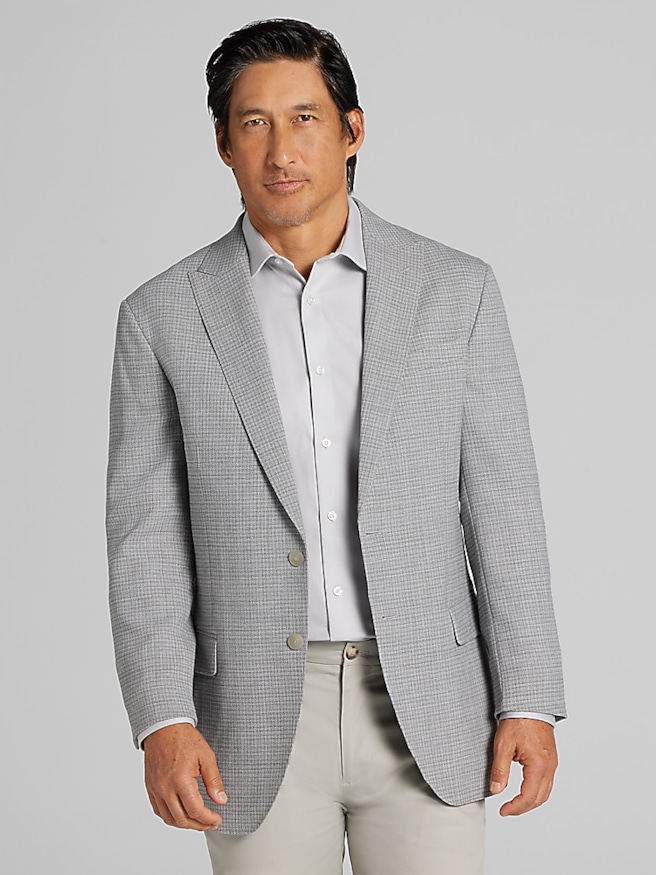
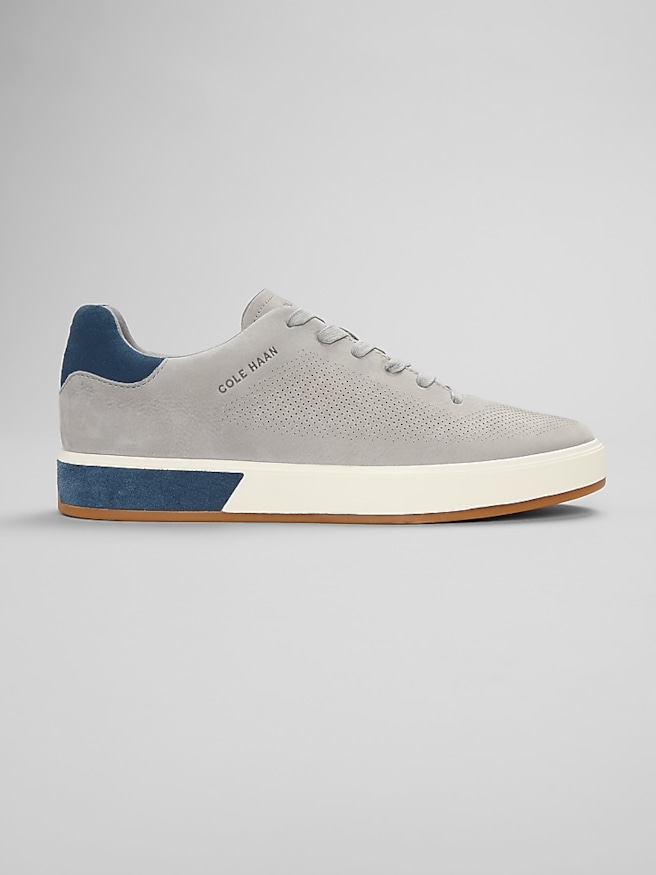
A streamlined pair of sneakers brings a relaxed edge to tailored clothing without making an outfit feel unfinished. The appeal lies in the balance: a clean upper, a considered shape, and enough visual simplicity to work with more than jeans. Low-profile shoes can sit neatly beneath chinos or a tapered trouser hem, while a more substantial sole adds presence alongside straight-leg denim and textured knitwear. For an office with a casual dress code, understated sneakers help bridge the space between traditional dress shoes and athletic footwear. Picture dark trousers, a soft collared shirt, and a lightweight jacket for a day that moves from a desk to dinner. The shoes should feel like part of that outfit, not an afterthought. Color plays a practical role here. White and other light neutrals create a crisp contrast against dark clothing, while black and deeper shades tend to blend into a more subdued wardrobe. Tonal laces and restrained detailing keep the overall impression polished; contrasting panels or textured surfaces introduce a sportier note. Neither approach needs an elaborate outfit to make sense. A plain sweater and well-fitting pants give the shape and finish of the footwear room to stand out. During the cooler months, the same foundation works beneath a substantial outer layer, and Kenneth Cole Coats offers a related direction for completing the look. Intended use matters as much as appearance. Lifestyle sneakers are a natural fit for social plans, casual workplaces, and everyday errands, but an athletic-looking sole does not automatically make a shoe suitable for running or structured training. For a celebration or workplace with stricter expectations, the stated dress code should take priority. Within more relaxed settings, clean sneakers offer a useful middle ground: less formal than lace-up dress shoes, yet more put-together than footwear chosen solely for exercise.
Materials and construction influence how sneakers look, how they feel over several hours, and how much attention they need between wears. Smooth leather can give a simple silhouette a refined finish, and natural creasing may develop across the forefoot as the upper flexes. Suede introduces a softer, matte texture that pairs easily with denim, brushed fabrics, and knit layers, although it calls for extra caution around moisture and grime. Textile uppers may feel lighter or allow more airflow, depending on the weave, lining, and overall construction. Synthetic materials vary widely, so the material description is more useful than assumptions based on appearance alone. The interior deserves equal attention. A softly finished lining, a tongue that stays comfortably in place, and a collar that does not press into the ankle can make a noticeable difference during an afternoon of standing and walking. Cushioning should feel supportive rather than simply plush; an extremely soft first impression does not tell the whole story about comfort over time. Fit begins with the shape of the foot, not just the number on the size label. The toes need room to rest naturally, the widest part of the foot should not feel squeezed, and the heel should stay secure without rubbing. Trying shoes with the socks intended for regular wear gives a more useful sense of fit than testing them with an unusually thin pair. Later in the day can also be a helpful time to assess comfort, since feet often swell with activity. Walk, turn, and pause rather than judging fit while seated. Notice whether the upper presses across the instep or whether the heel lifts enough to cause friction. Some materials soften with wear, but painful pressure and cramped toes are not sensible compromises. Anyone who uses an orthotic should check interior depth and whether the original footbed can be removed, rather than assuming every sneaker will accommodate an insert.
Keeping sneakers presentable is largely a matter of matching care to the material and addressing everyday marks before they become stubborn. Follow the footwear’s care instructions first, especially when an upper combines several textures or finishes. Loose surface dirt can often be removed with a soft brush or cloth before any cleaner is applied. Smooth leather generally benefits from gentle cleaning with a compatible product, while suede needs tools and treatments intended for its nap. Test a treatment on an inconspicuous area before using it across the shoe, and avoid soaking the upper or placing footwear near direct heat to dry. After a damp commute, allowing shoes to air-dry at room temperature helps protect their shape and finish. Removing surface moisture promptly is especially useful when sidewalks are gritty or treated for winter weather. A protective treatment may help with certain materials, but it does not turn an everyday sneaker into waterproof footwear. Sole texture also deserves attention: a casual tread may be adequate for ordinary pavement without providing the traction needed on ice or slick outdoor surfaces. For regular wear, durability depends on more than a sturdy appearance. Secure stitching, neatly joined edges, and a sole appropriate to the intended activity are useful details to examine. Alternating pairs gives the interior time to dry between outings, and cleaning laces can noticeably refresh the overall look without aggressive scrubbing of the upper. Storage matters, too; a dry space away from strong sunlight is preferable to leaving shoes in a damp gym bag or beside a heater. These practical details make sneakers a thoughtful gift for someone building a work-to-weekend wardrobe, preparing for travel, or simply favoring understated everyday clothing. A familiar size, preferred width, and sense of the recipient’s usual colors make that choice more personal. Whether worn with a casual jacket for dinner or with denim on a quiet afternoon, the most useful pair balances an appealing silhouette with a comfortable fit and care requirements that suit the wearer’s routine.