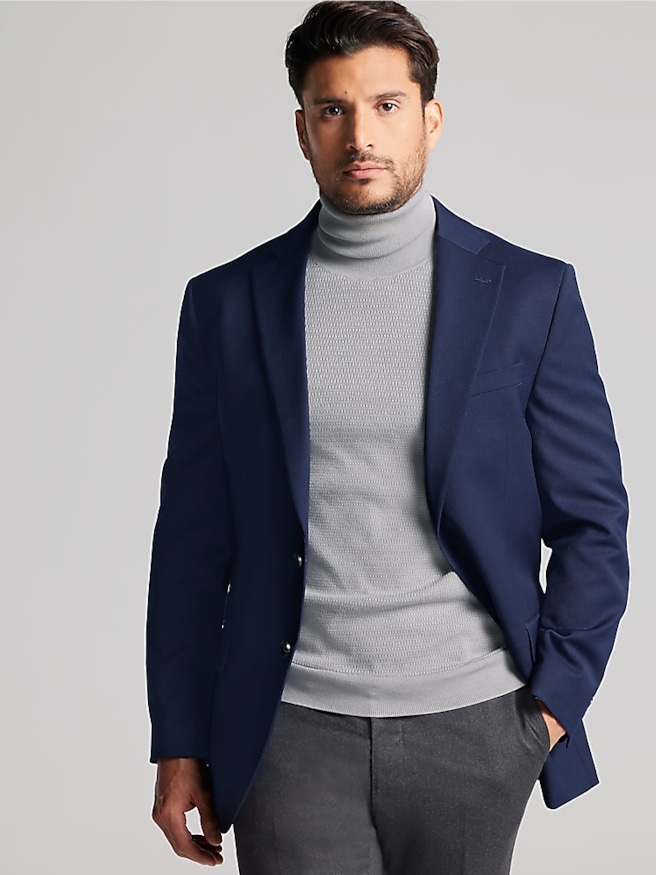
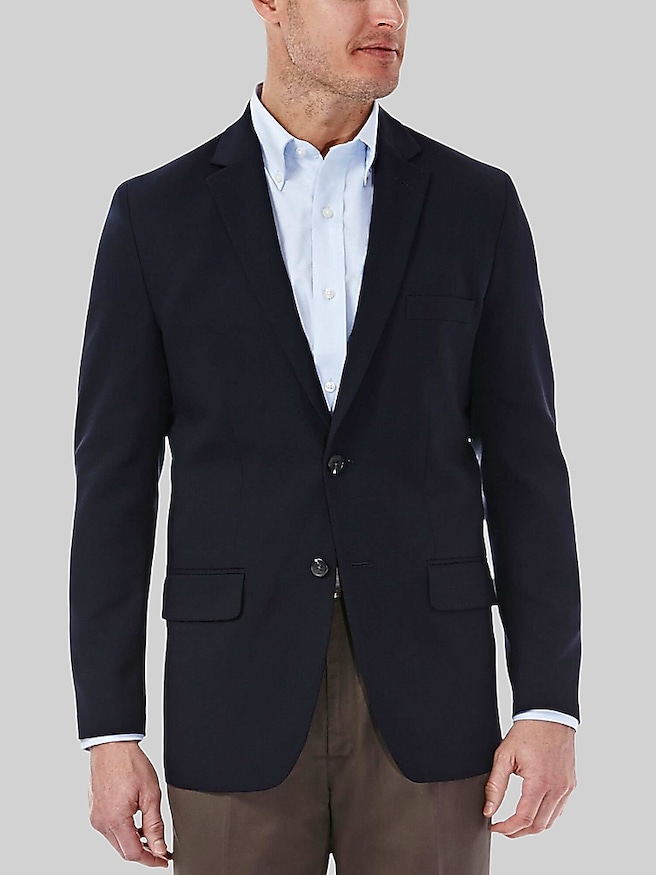
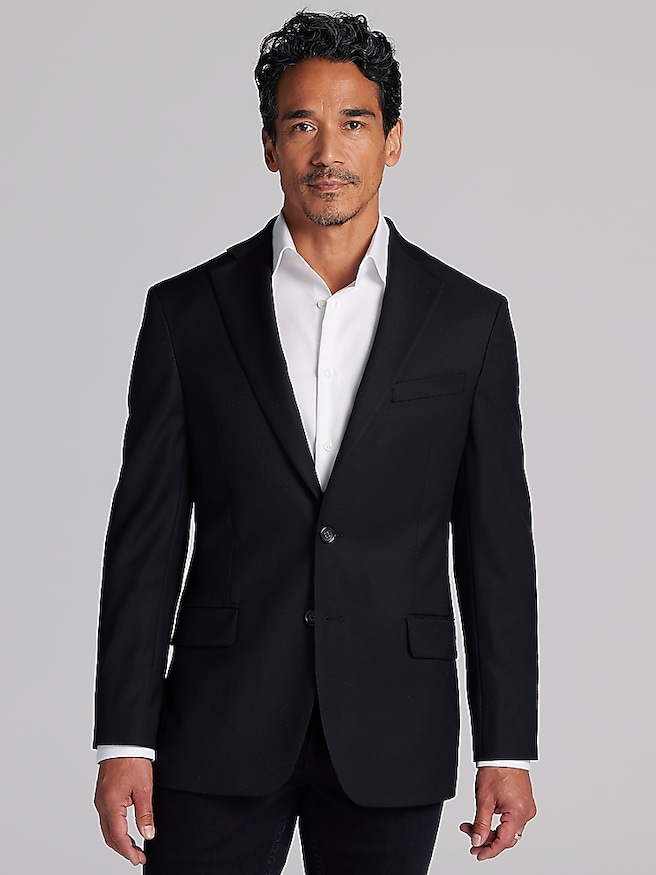
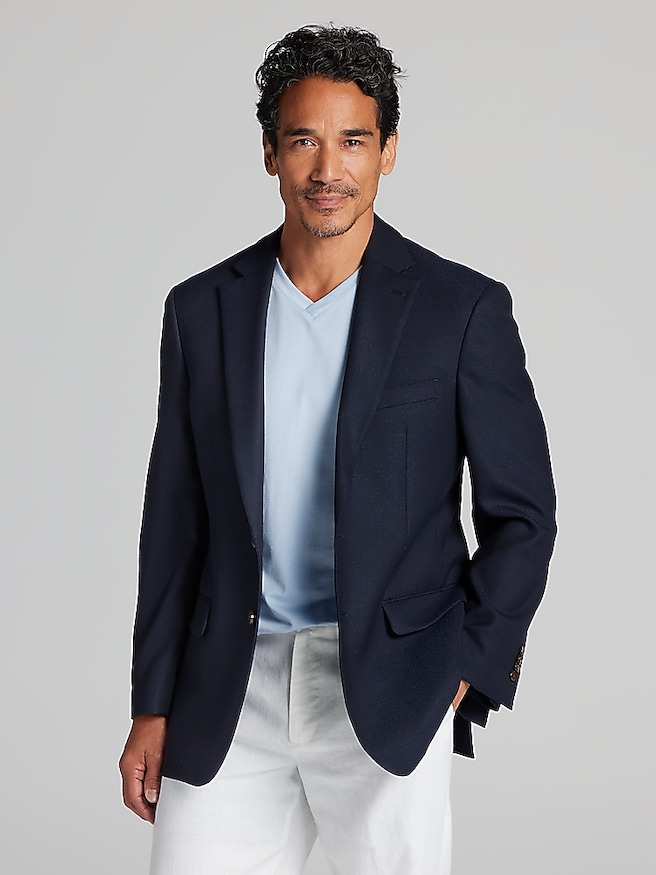
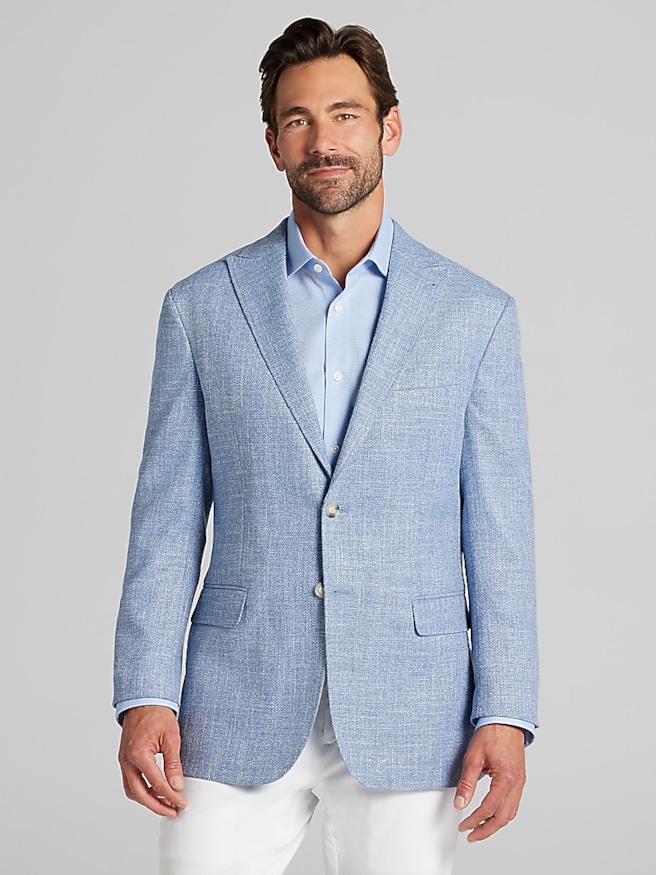
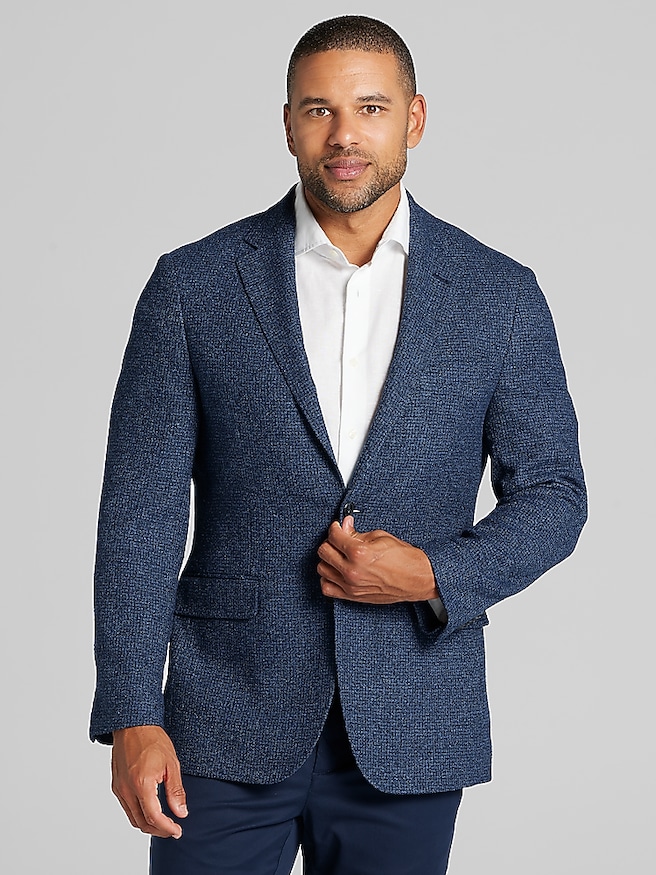
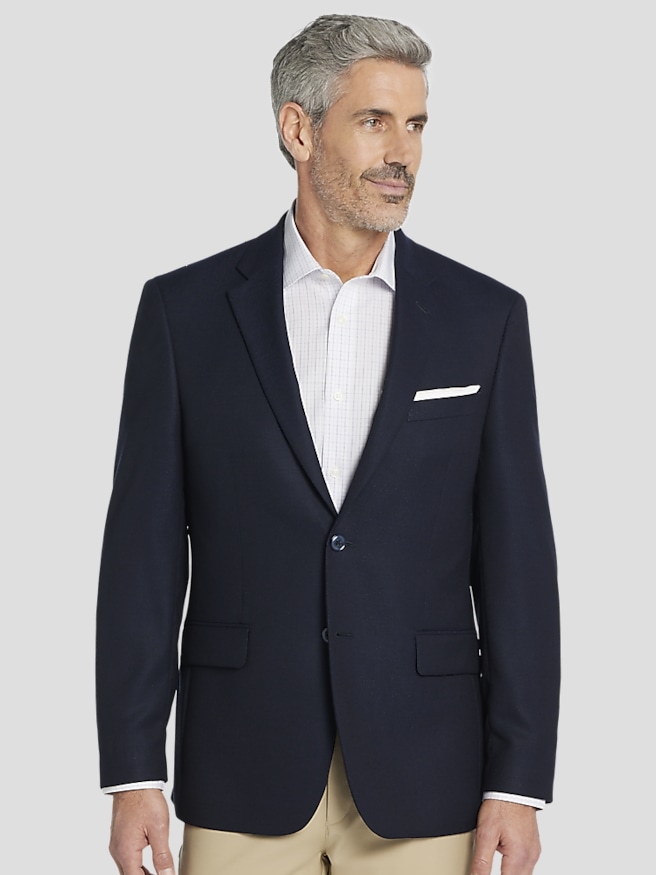
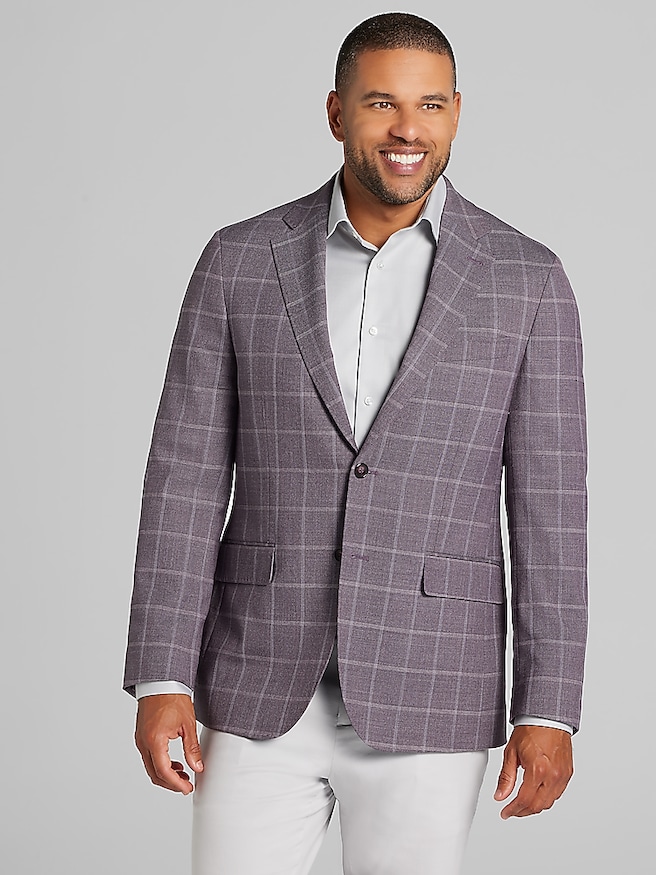
Sport coats bring an easy sense of polish to a man’s wardrobe without the formality of a complete suit. They can sharpen a work outfit, add structure to a dinner look, or make a casual gathering feel a little more considered, all while allowing plenty of room for personal style. A well-chosen sport coat typically becomes one of those dependable pieces that stays near the front of the closet because it can change the character of familiar clothing in an instant. Over a crisp shirt and tailored trousers, it creates a traditional, office-ready appearance; with a fine-gauge knit and dark denim, it takes on a more relaxed character suited to dinner, travel, or an evening with friends. During the cooler months, the added layer is practical as well as stylish, offering comfortable coverage when the air turns brisk without the weight of a full overcoat. Neutral shades such as navy, charcoal, gray, brown, and subtle earth tones are especially versatile, blending easily with the rest of a wardrobe and working across a broad range of settings. Patterns can bring more personality, from understated checks and windowpanes to textured weaves that add visual depth without overwhelming an outfit. When choosing among sport coats, consider how often the wearer is likely to use the garment, where it will be worn, and what colors already have a place in his closet. Someone building a flexible work wardrobe may appreciate a refined, solid option, while a man who already owns classic neutrals may enjoy a tasteful pattern or seasonal texture. The most useful choice is often the one that feels natural in several parts of his life, from a presentation in the afternoon to a warmly lit restaurant after sunset.
Fit is the foundation of a sport coat’s appearance, and small details can make a significant difference in comfort and confidence. The shoulder line should sit smoothly and end close to the natural edge of the shoulder, without collapsing or extending noticeably beyond it. The collar should rest neatly against the neck, while the front should close without pulling across the chest or creating strain around the buttons. Sleeves generally look most balanced when they allow a small portion of the shirt cuff to show, creating a clean transition between the jacket and the hand. The body should follow the wearer’s shape without feeling restrictive, particularly when the coat is worn over a shirt or lightweight layer. A fit that is too loose can appear unstructured, while one that is too close may limit movement and become uncomfortable during a long day. Tailoring can refine a good foundation, but the starting fit still matters. Think about practical movement: reaching for a steering wheel, sitting through a meal, carrying a bag, or greeting someone with a handshake. A sport coat that moves comfortably is more likely to be worn often and cared for well. Fabric and construction also influence how a garment performs. Wool and wool blends are valued for their natural drape, resilience, and ability to transition through changing temperatures, while textured materials can lend warmth and depth to cooler-weather dressing. Lighter constructions may be comfortable indoors or during milder stretches, and a touch of stretch can make commuting and travel easier. Look for thoughtful finishing details, a clean interior, and a shape that holds its line when the garment is worn open or buttoned. These qualities may seem subtle on a hanger, but they become apparent when the coat is worn from the first morning appointment through an evening gathering.
Sport coats also make a thoughtful gift for a father, partner, brother, son, or friend who appreciates clothing that feels useful rather than merely decorative. They are particularly fitting for milestones and occasions that call for a little extra care, including a new job, a graduation, a birthday, a family celebration, or an upcoming season of professional events. If the garment is intended as a gift, pay attention to the recipient’s usual proportions, preferred colors, and daily routine. Someone who dresses conservatively may reach for a classic solid in a subdued tone, while a more expressive dresser may welcome a subtle pattern or distinctive texture. Existing wardrobe pieces can offer helpful clues: the colors he wears most often, whether he favors a trim or relaxed silhouette, and whether his style leans traditional, modern, or comfortably somewhere between the two. A sport coat becomes even more versatile when coordinated with the right foundation. A clean, well-fitting shirt creates a polished base, and Joseph A Bank Dress Shirts can provide options for building that layered look with confidence. From there, simple accessories and well-kept footwear can complete the outfit without competing with the coat. As the weather shifts from mild afternoons to cooler evenings, layering becomes an effortless way to stay comfortable while maintaining a composed appearance. Store the garment on a sturdy hanger that supports the shoulders, give it room to breathe, and follow the care instructions to preserve its shape and finish. With thoughtful selection and regular care, a sport coat can become a reliable part of everyday dressing, ready for professional occasions, special gatherings, and the quieter moments when looking put together simply feels good.