Interview Ties for Men


FAQs
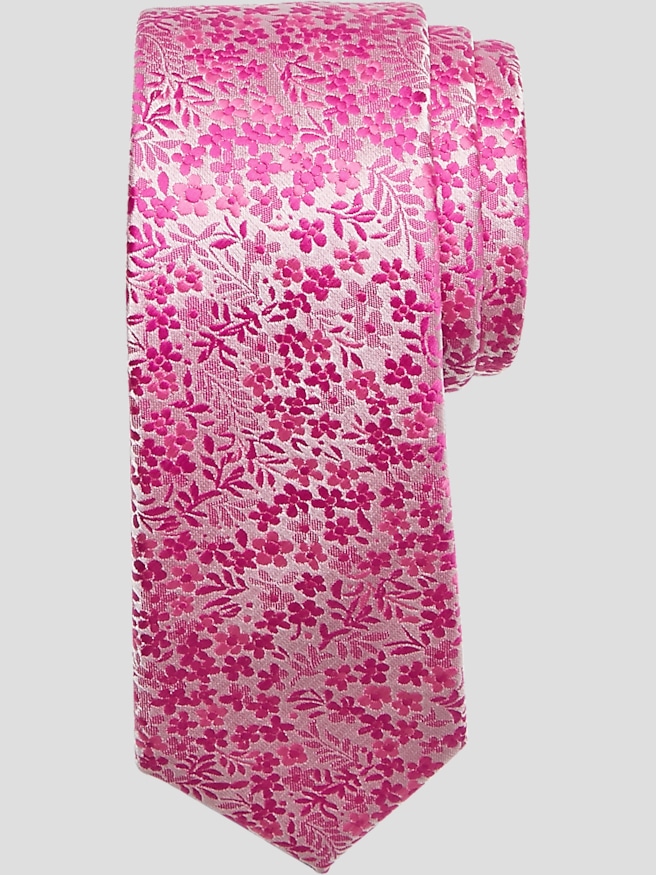
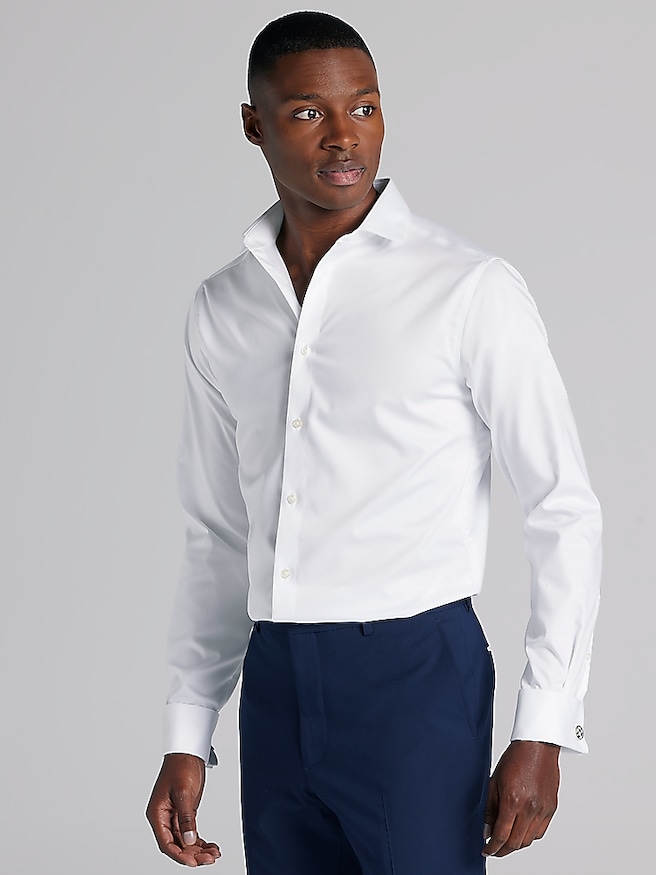
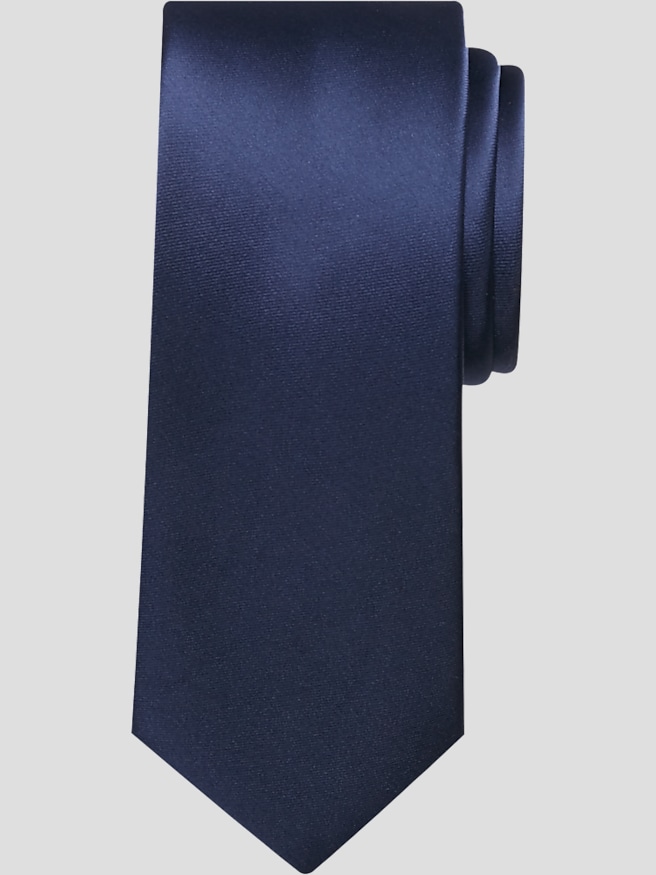
Deep blue, burgundy and muted gray are classic starting points. Choose a shade that contrasts clearly with your shirt and complements your suit. For a traditional workplace, subdued tones are a straightforward choice over fluorescent or very bright colors.
Either can work. A solid tie is easy to coordinate, especially with a patterned shirt or suit. Subtle stripes add visual interest to a plain outfit. Keep the overall combination restrained, and set aside novelty motifs or bold, high-contrast patterns.
A four-in-hand is a practical starting point, while a half-Windsor creates a more symmetrical shape. Choose the knot that sits neatly within your collar. Practice beforehand so the knot rests close to the collar without gaps or bunching.
Follow the same dress expectations you would for an in-person interview. If a suit and tie are appropriate for the role, they can be appropriate on camera, too. Preview your outfit on screen, since fine stripes and shiny finishes may look more pronounced under your lighting.
Not every workplace expects one. Consider the industry, role and any dress guidance provided by the employer. If the expectations are unclear, ask your recruiting contact. A restrained necktie is a traditional option for an interview that calls for business-formal attire.