
Best Men's Interview Outfits For Students
What to look for in men's interview outfits for students
The best men's interview outfits for students balance a professional appearance, comfortable fit and versatile pieces that work beyond the first interview.
1. Workplace Dress Code
2. Fit And Comfort
3. Budget And Versatility
4. Coordinated Finishing Touches
-
1
Awearness Kenneth Cole Modern Fit Essential Dress Pants -
About this productA comfortable pair of black dress pants with a modern fit and stretch waistband.
$89.99 $49.99 Sale -
2
Awearness Kenneth Cole Men's Modern Fit Essential Dress Pants -, Charcoal Gray
About this productA stretch waistband dress pant in charcoal gray with bi-stretch fabric for added comfort.
$89.99 $49.99 Sale -
3
JOE Joseph Abboud Slim Fit Windowpane Men's Suit Pants -, Dark Grey Windowpane / Gray
About this productA pair of slim fit wool blend pants in dark grey windowpane pattern with a modern flat front design.
$140 $39.99 Sale -
4
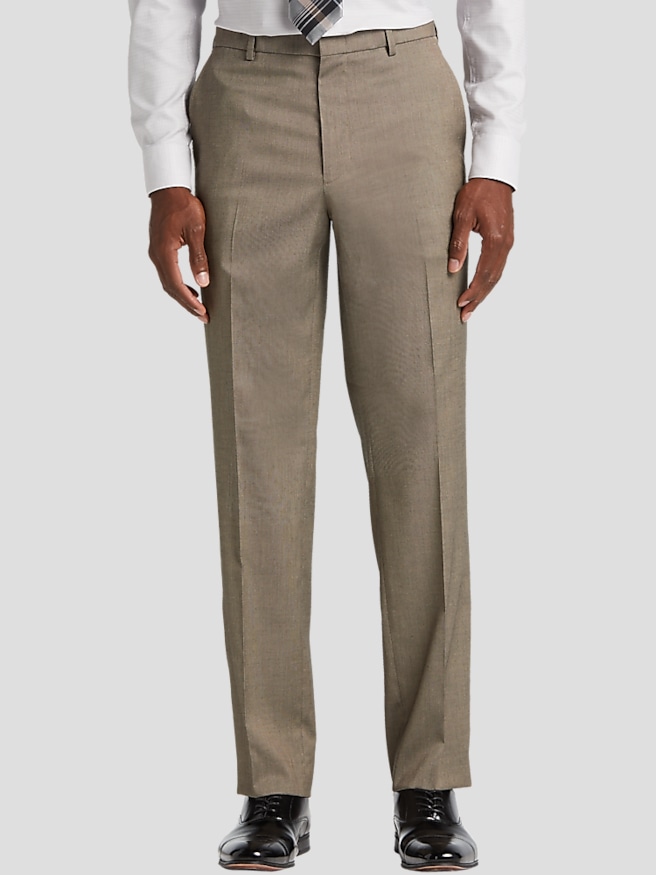
Awearness Kenneth Cole Men's Modern Fit Essential Dress Pants -, Taupe / Brown
About this productA stretch waistband dress pant in taupe/brown with bi-stretch fabric for ultimate comfort.
$89.99 $49.99 Sale -
5
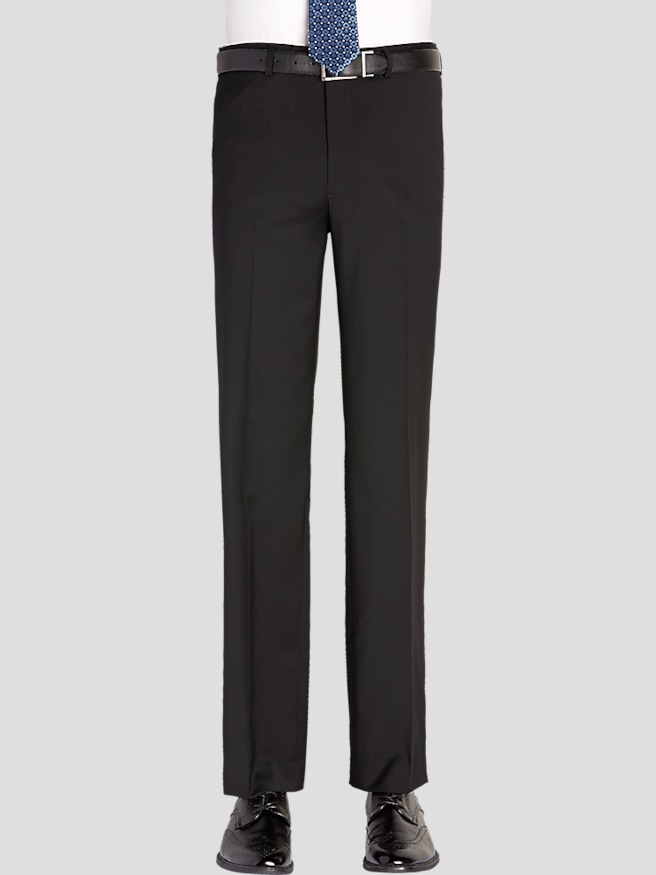
Awearness Kenneth Cole Slim Fit Wool Men's Suit Pants -, Black Solid
About this productA slim, black wool blend suit pant with stretch for a modern fit, sold separately.
$150 $14.99 Sale -
6
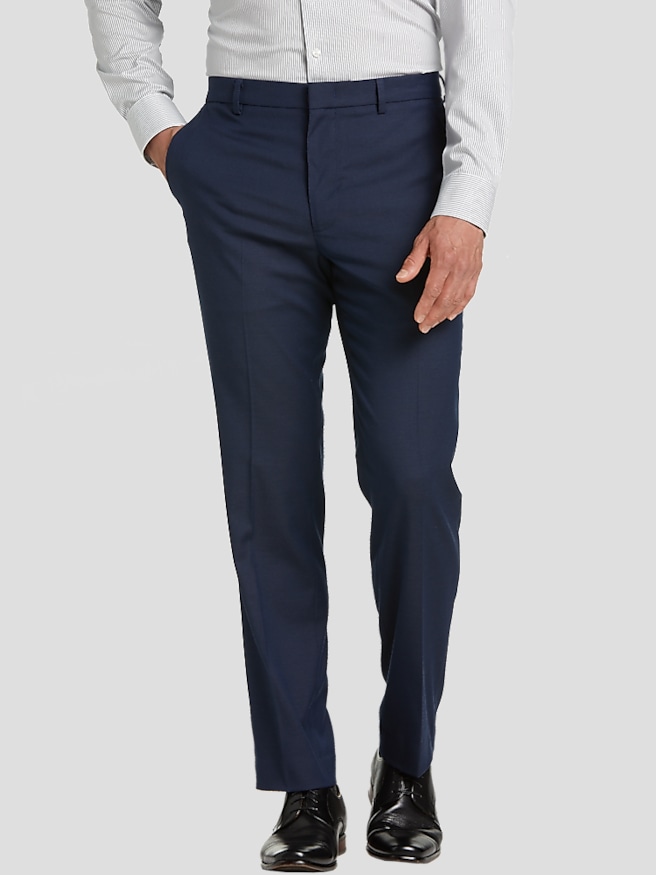
Awearness Kenneth Cole Men's Modern Fit Essential Dress Pants -, Navy Solid / Blue
About this productA stretch waistband dress pant in navy blue with bi-stretch fabric for added comfort.
$89.99 $49.99 Sale -
7
JOE Joseph Abboud Slim Fit Windowpane Men's Suit Jacket -, Dark Grey Windowpane / Gray
About this productA dark grey wool-blend jacket featuring a windowpane pattern, notch lapel, and modern slim fit.
$259.99 $99.99 Sale -
8
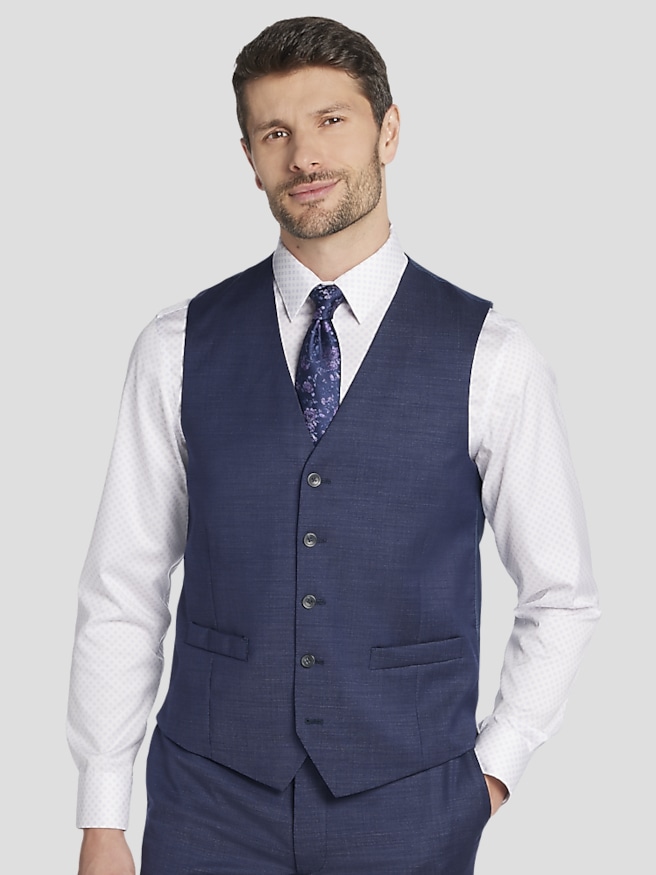
Awearness Kenneth Cole Big & Tall Modern Fit Wool Men's Suit Vest -, Blue
About this productA stretchy, slim-fitting blue vest for big & tall men's suit separates.
$104.99 $79.99 Sale -
9
Awearness Kenneth Cole Men's Modern Fit Essential Dress Pants -, Light Gray Solid
About this productA modern fit dress pants in light gray with stretch waistband for comfort and style.
$89.99 $49.99 Sale -
10
Egara Classic Fit Men's Suit Pants -, Blue/Postman
About this productA classic fit blue suit in a breathable polyester blend with notch lapel and flat-front pants.
$100





Best Men's Interview Outfits For Students
FAQ
Start with the employer's dress code. For a formal interview, choose a navy or charcoal suit, a white or light blue dress shirt, and a conservative tie. For a business casual setting, pair a blazer or sport coat with chinos or dress pants and a tucked-in button-down shirt.
Navy, charcoal, and medium gray are classic choices for suits and dress pants. White and light blue shirts pair easily with these colors, while a burgundy or dark blue tie adds subtle contrast. Keep patterns understated, such as fine stripes or small checks.
A tie is generally appropriate for interviews with a business formal dress code, including many roles in finance, law, and corporate offices. For a business casual interview, an open-collar dress shirt may be appropriate. If the interview invitation does not specify attire, ask the recruiter about the expected dress code.
Leather oxfords or derbies are classic choices with a suit, while loafers can complement a business casual outfit. Coordinate black shoes with a black belt or brown shoes with a brown belt, and choose understated socks that complement your pants. Keep accessories simple, such as a classic watch and a plain belt.
Follow the same dress code you would for an in-person interview with the employer. A solid-colored dress shirt with a blazer or suit jacket is a straightforward choice, with a tie when formal attire is expected. Complete the outfit with dress pants or chinos, and avoid busy patterns that may look distracting on camera.


