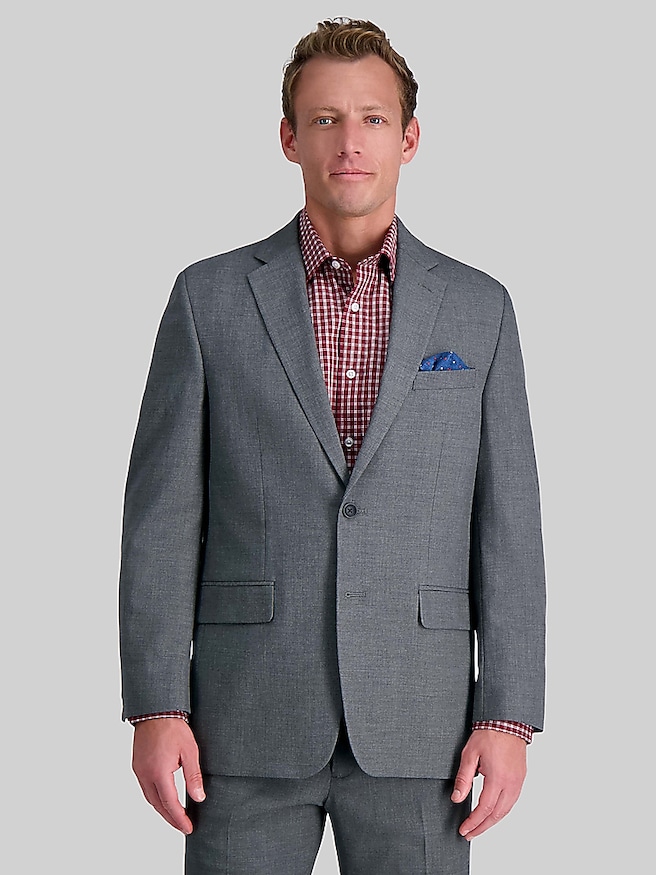
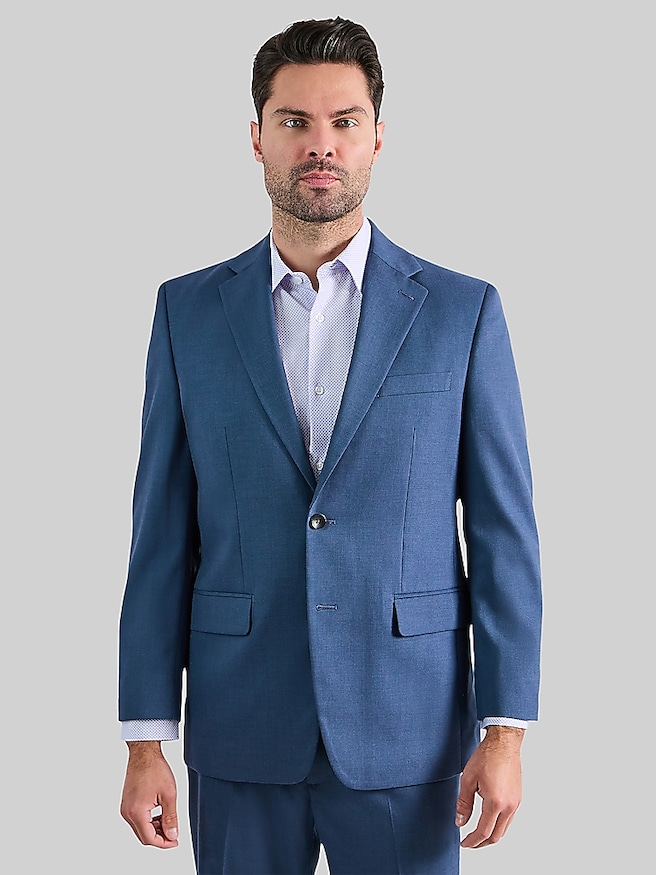
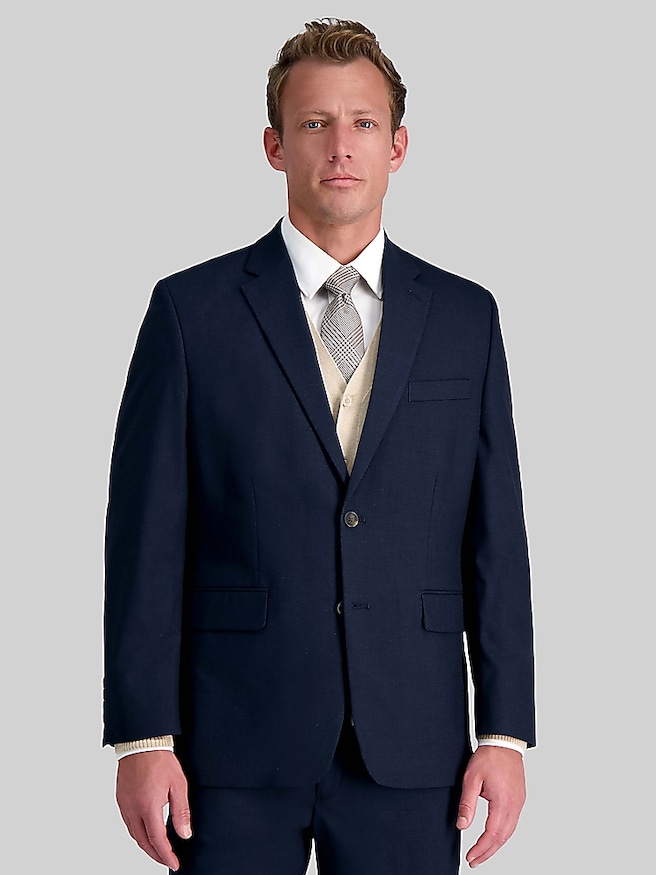
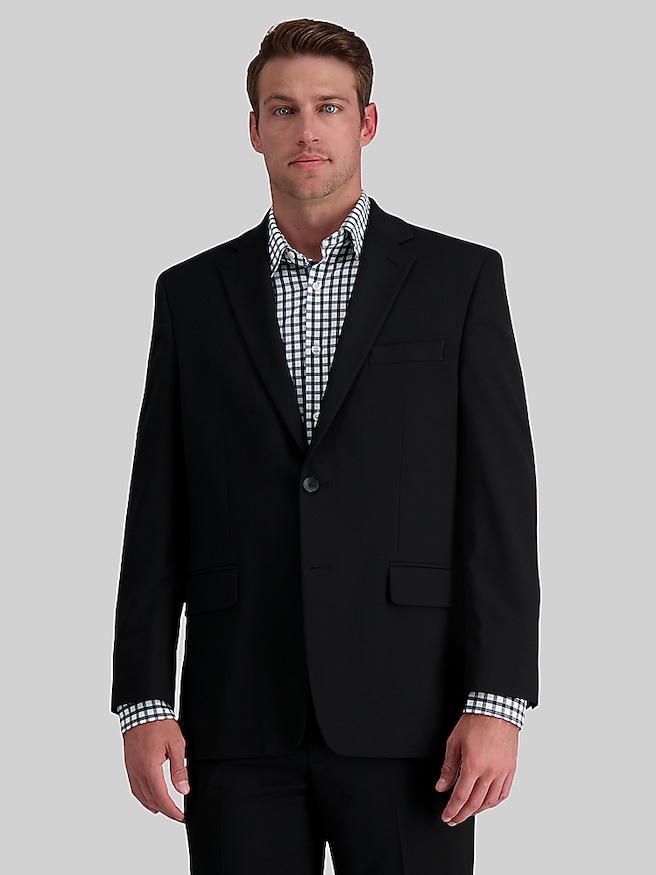
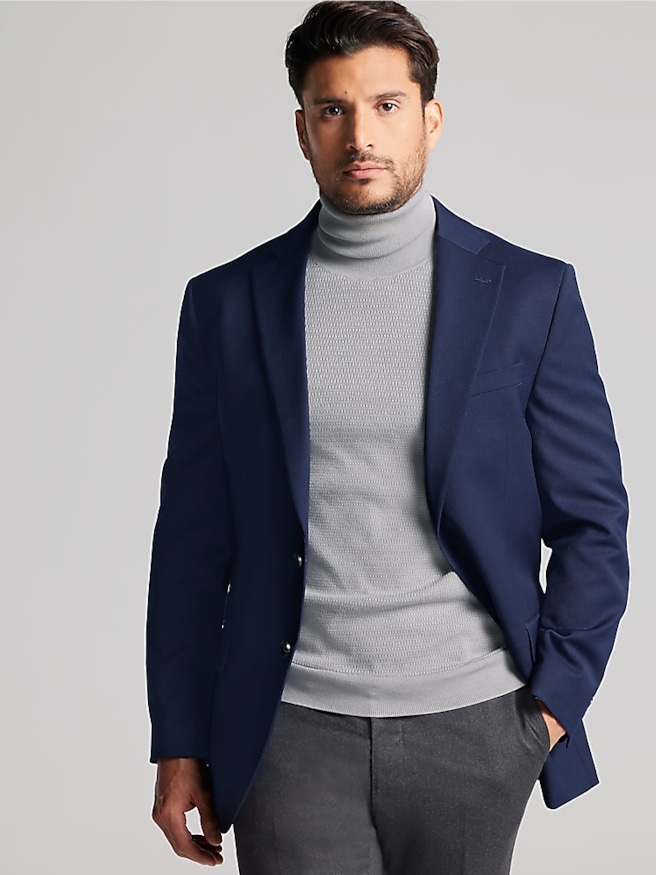
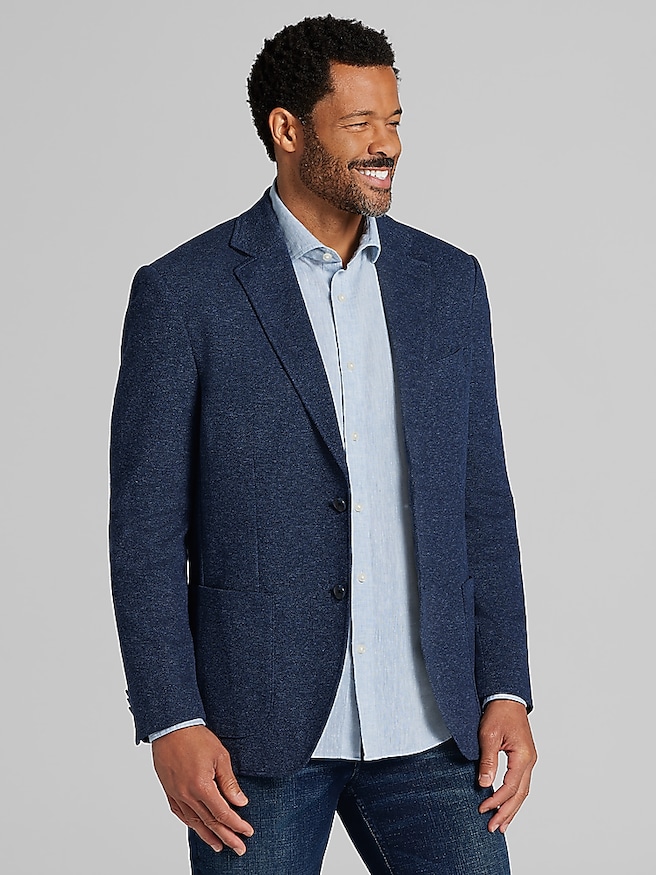
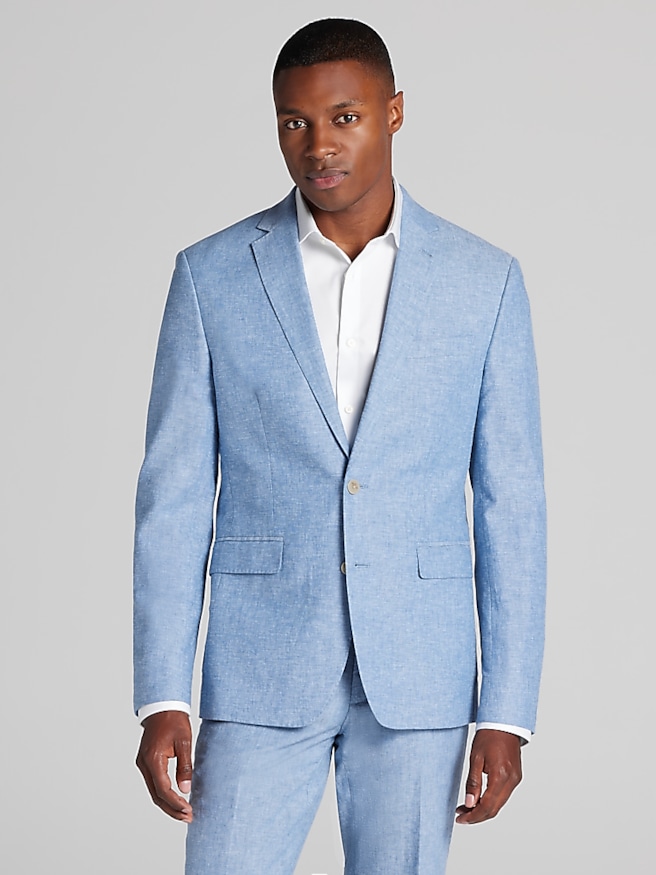
Back-to-school interviews can be the first opportunity to make a professional impression on a new campus, at a career fair, or during an internship search. A well-chosen blazer gives men a polished foundation without making the outfit feel overly formal or out of place in a classroom setting. For many students, it bridges the gap between everyday campus clothing and traditional interview attire: more refined than a sweatshirt or casual jacket, yet flexible enough to wear with different shirts, trousers, and shoes. A solid navy, charcoal, or medium gray blazer is especially useful because these shades coordinate easily with white or light blue dress shirts, neutral chinos, and tailored dress pants. They also look appropriate in a range of settings, from a quiet interview in an office to a busy recruiting event where first impressions are made in only a few minutes. A two-button, single-breasted design with simple notch lapels offers a dependable, timeless appearance, while a modern or slim-fit silhouette can create a clean outline without looking restrictive. The right fit begins at the shoulders: the seam should sit close to the edge of the shoulder, the lapels should lie flat, and the jacket should close without pulling across the chest or stomach. Sleeves should reveal a small amount of shirt cuff, and the hem should provide enough coverage to maintain balanced proportions with the trousers. These details may seem subtle, but they make a noticeable difference when shaking hands, carrying a portfolio, or sitting across from an interviewer.
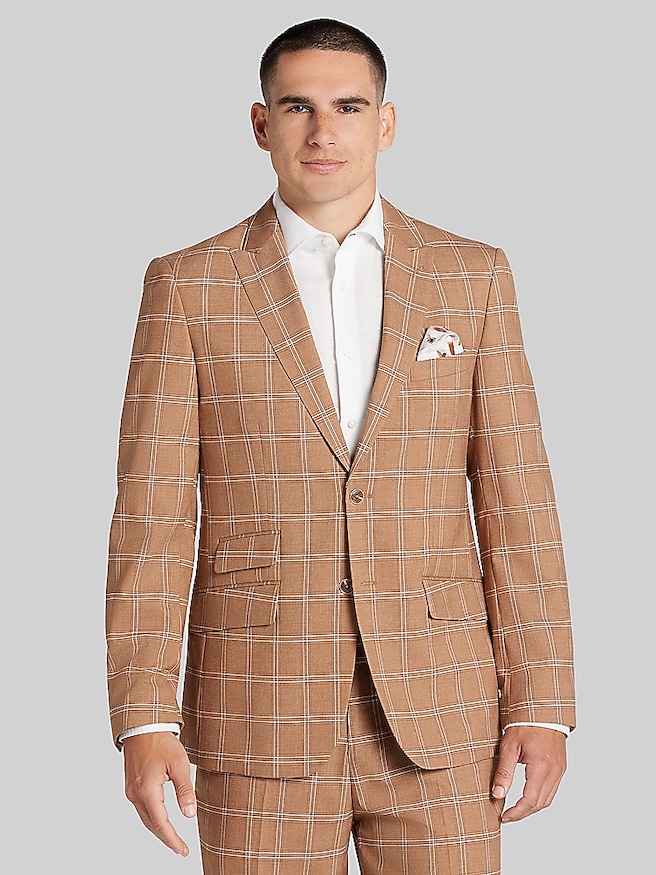
Fabric and construction matter when a blazer needs to carry someone through a full day of classes, commuting, networking, and interviews. Wool blends offer structure, a refined texture, and dependable comfort across changing indoor and outdoor temperatures, while structured cotton blends can provide a slightly more relaxed feel with enough shape for professional settings. Breathable materials are helpful during warmer back-to-school weather, especially when a student is walking across campus or moving between buildings, and a smooth lining can make the blazer easier to layer over a dress shirt. During the cooler months, the same jacket can work beneath a topcoat or other tailored outer layer without creating too much bulk. Look for clean stitching, a well-shaped collar, secure buttons, and a fabric that resists excessive wrinkling after time in a backpack, car, or crowded lecture hall. The best choices are versatile enough to support several combinations. A navy blazer with gray dress pants creates a classic contrast, while charcoal or medium gray can be paired with navy trousers or clean, slim-fit chinos. A crisp white button-down shirt keeps the outfit traditional and sharp; light blue adds a touch of softness while remaining professional. For formal in-person interviews, a conservative tie can complete the look, particularly when worn with a white shirt and darker trousers. In modern business-casual environments, an open collar with a pressed shirt may feel more natural. Dark brown or black leather dress shoes, matched with a coordinating belt, bring the outfit together, and clean, understated accessories help keep attention on the wearer rather than on distracting details. Solid colors and restrained patterns are generally the safest choice for interviews, while loud designs, overly bright shades, and very shiny synthetic fabrics can appear less polished under office lighting.
These blazers are practical additions to a student’s wardrobe and thoughtful gifts for graduates, college-bound sons, young professionals, or anyone preparing for a first interview or internship. A blazer selected in a versatile color can continue to serve long after the back-to-school season, becoming a reliable option for presentations, student organization events, networking dinners, family celebrations, and early-career workplaces. It can also help a new professional feel prepared when an unexpected opportunity appears. Many men remember the first time they put on a jacket before an important interview: the quiet sound of the buttons closing, the weight of a portfolio in one hand, and the small boost that comes from seeing a composed reflection before walking through the door. That sense of readiness is part of the value of a well-fitting blazer. When shopping the selection of Men's Back To School Blazers, consider the wearer’s usual wardrobe, preferred fit, expected dress code, and the settings where the jacket will be used. A student who attends career fairs may benefit from a flexible blazer that works with chinos and dress trousers, while someone interviewing for a more traditional office may prefer a more structured style that pairs naturally with a tie. Checking measurements is important, particularly for chest, shoulder, sleeve, and jacket length, since sizing can vary by cut. Minor tailoring can further refine the fit by adjusting sleeves or the waist while preserving the jacket’s shape. With the right color, fabric, and proportions, an interview blazer becomes more than a seasonal purchase. It is a dependable piece that helps men move from campus to the workplace with comfort, confidence, and a professional appearance.