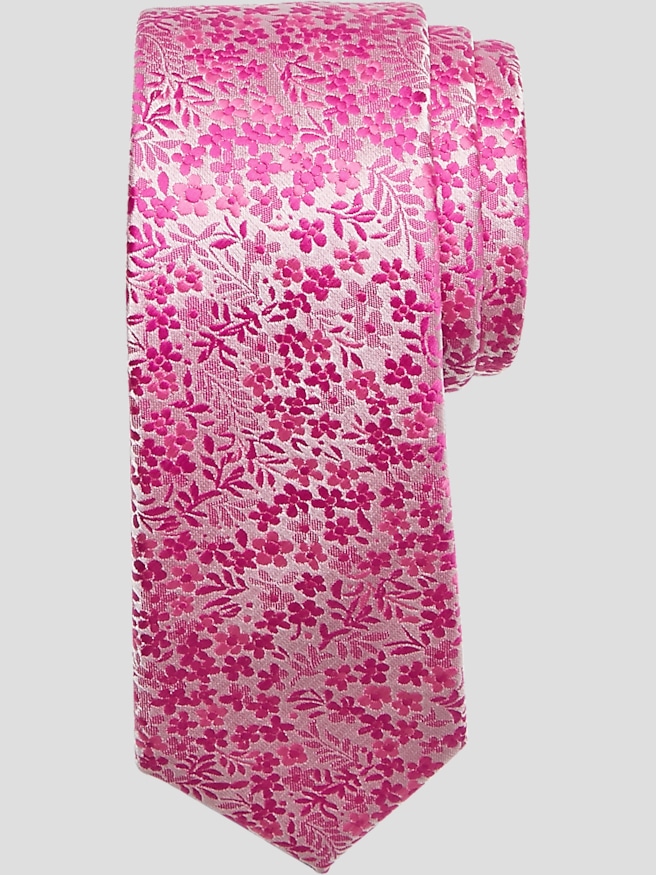
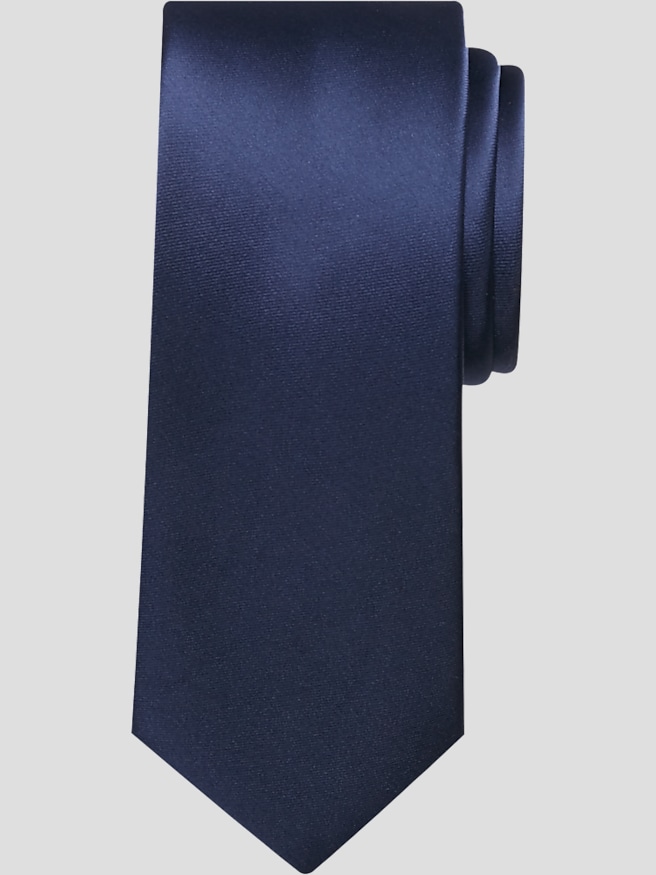
Holiday silk ties add color, texture, and a sense of occasion to dressed-up gatherings, from an office holiday party to Christmas dinner or a New Year’s Eve celebration. Silk’s natural luster gives a necktie depth under evening light, while its fluid drape helps a well-tied knot sit neatly against a shirt collar. The effect can be quietly festive or unmistakably celebratory, depending on the pattern and the rest of the outfit. Burgundy, forest green, midnight blue, and gold are familiar holiday choices, but their character changes with the fabric: a dark red woven tie feels restrained, while a brighter red with small seasonal motifs has a more playful personality. Snowflakes, evergreens, and other holiday-inspired designs can bring character to a plain dress shirt without requiring much else. A navy suit and white shirt give a patterned tie a clean backdrop; a charcoal suit with a pale blue shirt creates a softer setting for jewel tones. For a family dinner where a full suit feels unnecessary, a silk tie can also sit comfortably beneath a fine-gauge sweater or alongside a tailored sport coat. Pattern scale matters as much as color. Small, closely spaced motifs tend to read as texture from across a room, revealing their festive detail in conversation, while larger designs make the tie a clear focal point. Keeping a pocket square understated lets that detail stand on its own rather than competing with another prominent pattern. Holiday neckwear can share space with Classic Silk Ties, allowing a wardrobe to move between occasion-specific designs and familiar stripes, dots, and solids. The most versatile holiday looks often rely on that same balance: one expressive accessory, a well-fitting shirt, and tailoring that feels appropriate to the gathering. At a company reception, a subtle geometric pattern in celebratory colors can feel polished without being overly themed; at a relaxed gift exchange, a recognizable holiday motif may be exactly the right touch.
The appeal of a holiday silk tie comes from more than its surface design. Silk is a fiber, not a single finish, and its appearance can range from smooth and luminous to softly textured with a subdued sheen. A jacquard pattern is woven into the fabric, giving the design dimension that becomes noticeable as the tie catches the light. Printed silk can carry fine lines and detailed motifs with less surface texture, making it well suited to intricate seasonal artwork. Fiber content remains worth noting because a silk blend may have a distinct hand, drape, and care requirement compared with an all-silk fabric. Construction also influences how the tie behaves throughout an evening. The outer fabric, internal lining, and stitching work together to shape the knot and help the blade hang cleanly. A more substantial build can produce a fuller knot, while a lighter construction may feel less bulky beneath a close-fitting collar. Width and length are equally important to the finished look. A tie generally looks balanced when its width relates to the jacket lapels and the wearer’s frame, rather than following a proportion that feels disconnected from the rest of the outfit. Once tied, the front blade should reach approximately the belt buckle or waistband, without hanging far below it. A taller wearer, longer torso, or knot that uses more fabric may require additional tie length to achieve that proportion. Collar shape helps determine the knot: a four-in-hand has a slightly asymmetrical character that works with many everyday dress shirts, while a half Windsor creates a more symmetrical shape with moderate fullness. On a densely patterned holiday tie, a compact knot can leave more of the design visible along the blade. A gentle dimple beneath the knot adds dimension, but the overall impression should remain relaxed enough for conversation, dinner, and photographs rather than looking tightly cinched.
Holiday silk ties also make thoughtful gifts for someone whose calendar includes business gatherings, religious services, festive dinners, or evenings that call for a jacket. A father who favors navy tailoring may get frequent use from a deep green or burgundy pattern, while a brother or partner with a more expressive wardrobe might appreciate a distinctive seasonal motif. The recipient’s usual shirts offer useful clues: mostly solid shirts leave room for detailed neckwear, while a wardrobe filled with checks and stripes often works more easily with quieter tie patterns. A holiday connection does not have to limit a tie to one celebration, either. Rich colors, subtle dots, and woven geometric designs can feel appropriate at a holiday table and remain useful for later dinners or special occasions. Care helps preserve that usefulness, particularly because silk can snag, retain stains, or lose its finish when handled roughly. The care label should govern cleaning, and ties marked for professional cleaning are best treated by a cleaner experienced with silk neckwear. Food or drink spills call for gentle attention rather than vigorous rubbing, which can spread a stain or damage the surface. When the evening ends, reversing the tying steps instead of pulling the narrow end through a tight knot helps reduce strain on the fabric and seams. Resting the tie untied gives light creases a chance to relax. Storage should keep the fabric away from rough hardware, direct sunlight, and crowded spaces where it can be crushed; a smooth tie rack or a loose roll in a drawer can both work well. Heavy pressing can flatten a woven texture or leave an unwanted shine, so heat treatment needs particular care. With suitable handling, a holiday silk tie can become a familiar part of annual celebrations, carrying the same rich color and personal character from a quiet dinner to a room full of dressed-up guests.