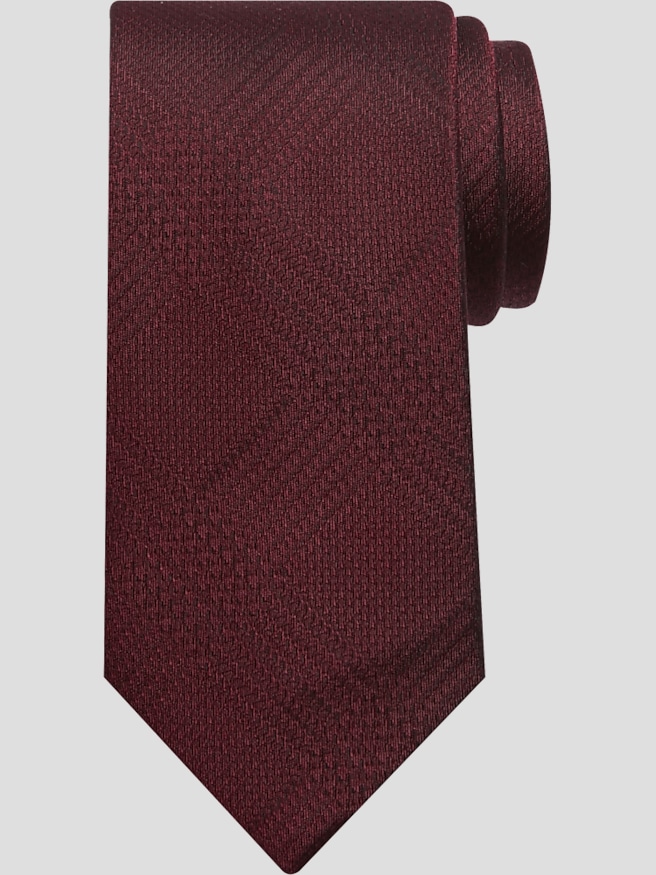
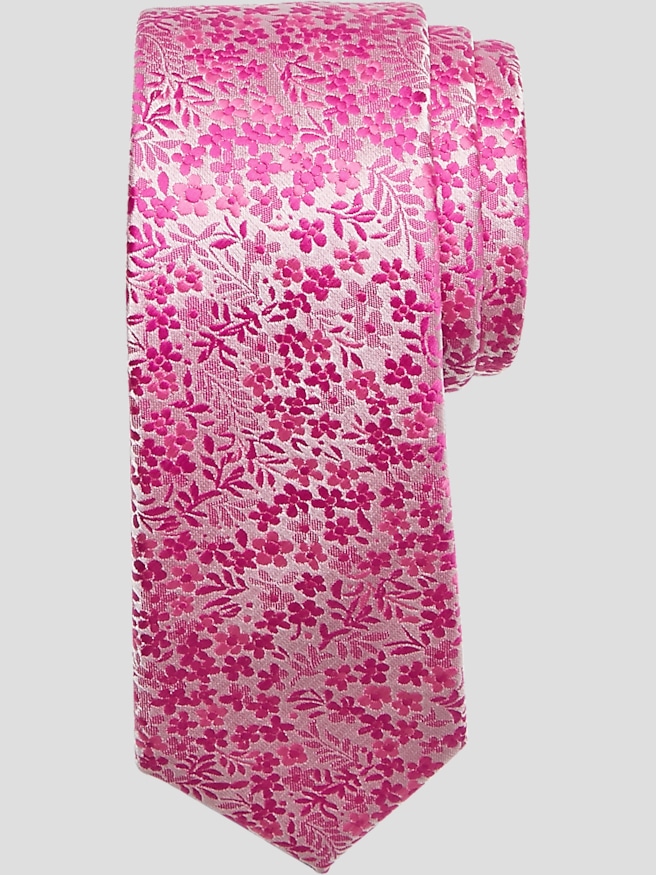
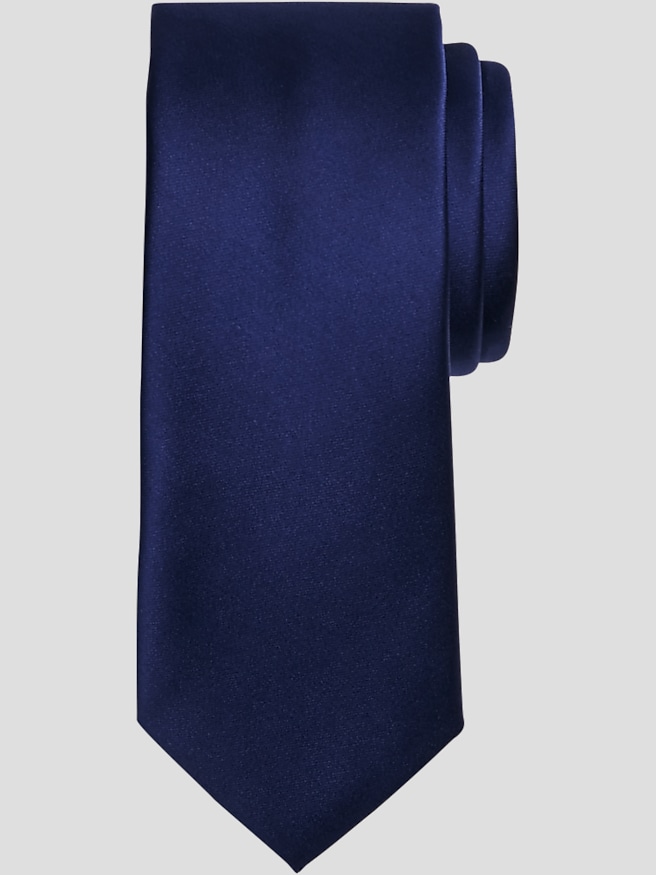
Classic silk ties bring a smooth drape, measured sheen, and familiar sense of polish to tailored clothing. Made with fibers produced by silkworms, silk neckwear can feel soft and fluid or have a more substantial, textured hand, depending on the weave and construction. That range is part of its lasting appeal: a tie can look quiet and restrained across a conference table, then reveal a fine rib or woven motif up close. Solid colors, diagonal stripes, small dots, paisleys, and repeating medallions are established choices, each offering a distinct balance of color and pattern without relying on passing trends. Navy, burgundy, charcoal, and deep green work comfortably with many suit and shirt combinations, while lighter accents can give a dark jacket more definition. Silk twill has a recognizable diagonal rib and often forms a clean, compact knot. Satin weaves create a smoother surface with more noticeable luster, while jacquard weaving builds a design into the cloth itself. Printed silk carries its pattern on the fabric rather than forming it through contrasting woven threads; neither method alone determines quality. The character of a classic silk tie also comes from what sits beneath its outer fabric. An interlining helps provide body, supports the knot, and influences how the blade hangs. A thicker tie is not automatically a better tie, and a lighter one is not necessarily less durable. The useful distinction is whether the fabric, lining, and stitching work together to produce an even shape and a comfortable knot. Cutting the cloth on the bias helps the tie drape and accommodate the movement involved in tying it. Neat seams, a balanced blade, and edges that lie smoothly are worthwhile construction details. Together, these elements give silk neckwear its particular presence: enough structure to finish a shirt collar, with enough softness to avoid looking stiff. Classic styling leaves room for texture and personality while keeping the overall impression composed.
Proportion makes a noticeable difference in how classic silk ties look with a complete outfit. Traditional widths often fall around 3 to 3.5 inches at the widest point, although the most harmonious choice depends on jacket lapels, shirt collar size, and personal preference. A moderately wide tie generally sits comfortably beside fuller lapels, while a narrower blade creates a more streamlined line with slimmer tailoring. Length matters just as much. When tied, the front tip typically reaches the waistband or the middle of the belt buckle; height, torso length, neck size, and the amount of fabric used in the knot all affect that result. A fuller knot consumes more length, so a longer tie may be useful even when height alone would not suggest it. A four-in-hand produces a slightly asymmetric shape that suits many point collars, while a half-Windsor offers a more triangular finish and can fill a moderately spread collar. Thick silk usually needs less knot volume than a lightweight fabric. A small dimple beneath the knot gives the blade dimension without requiring a perfectly sculpted finish. For a job interview or an important presentation, a navy silk tie with a subtle woven texture can add depth to a white shirt and charcoal suit without becoming a distraction. For a wedding, a small medallion or restrained paisley can bring interest to a solid suit, especially when one accent color relates to the shirt or pocket square. The pieces do not need to match exactly; a shared color is often enough. With striped or checked shirts, a tie pattern in a noticeably distinct scale helps keep the combination clear. Classic patterns also make thoughtful gifts for graduates, new professionals, wedding participants, or anyone who regularly wears tailored clothing. Familiar suit colors and preferred collar styles offer useful clues when choosing. For a more expressive approach to color and motif, Unique Silk Ties offer another direction while preserving silk’s distinctive drape and finish.
Silk ties are suited to business settings, ceremonies, dinners, and other occasions where a collared shirt benefits from a considered finishing touch. Their versatility does not mean every silk tie serves the same dress code. A restrained stripe can feel at home in a professional wardrobe, while a lustrous solid may create a dressier impression. For an event with a stated dress code, the required attire takes priority; traditional black tie, for example, generally calls for a bow tie rather than a long necktie. For everyday tailored dressing, longevity depends on careful handling as much as construction. Silk fibers can provide lasting wear, but the surface is vulnerable to abrasion, snags, moisture marks, and stains. A textured weave may show handling differently from a smooth satin, yet neither should be treated as an easy-clean fabric. Care labels are the best starting point because the outer silk, interlining, and other components may have separate requirements. After wearing a tie, reversing the steps of the knot is gentler than pulling the narrow end through a tight knot. Leaving it tied between wears keeps pressure on the same folds and can set creases into the fabric. Allowing the tie to rest untied helps it relax before its next use. Smooth tie racks or loose rolls in a drawer keep neckwear organized without sharp bends or crowded folds; prolonged direct sunlight can fade color. If food or liquid lands on silk, avoid rubbing, which can spread the mark and damage the surface. Blotting gently with a clean, dry cloth removes excess moisture, while an experienced cleaner can assess treatment appropriate to the label and stain. Direct heat and heavy pressing can flatten texture or leave shine, making cautious professional attention preferable for stubborn creases. With thoughtful care, a classic silk tie can remain part of a wardrobe through repeated presentations, celebrations, and ordinary workdays. Its appeal rests in those familiar details: a knot that sits neatly at the collar, a blade that hangs evenly, and color that brings the whole outfit into focus.