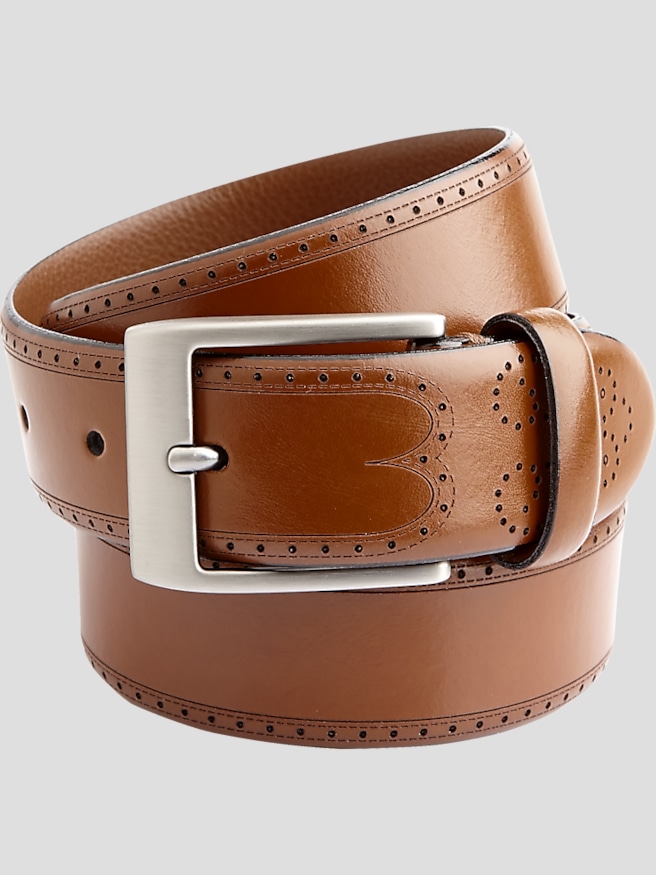
Holiday gifts without clothing-size guesswork include accessories such as ties, pocket squares, scarves, wallets, and card cases—pieces selected mainly for personal style and everyday use rather than a jacket, shirt, or waist measurement. These gifts offer a practical way to recognize a partner, dad, brother, friend, or colleague without needing access to a closet label. The personal connection comes from details that are easier to notice: a preference for deep blue, a habit of dressing up for dinner, or a well-used wallet that has become bulky at the corners. Accessories can feel thoughtful without being overly personal, making them suitable for family celebrations, workplace gift exchanges, and holiday visits. Neckwear and pocket squares are especially connected to the way someone already dresses. A restrained pattern can complement a wardrobe built around solid shirts, while a richer texture can add interest to a familiar suit. Woven silk often brings a subtle sheen and a smooth drape; wool offers a softer, more textured appearance; and cotton or linen can create a relaxed, matte finish. Fabric weight and construction influence how a tie knots and how a pocket square holds its shape, so appearance alone does not tell the whole story. A crisp fold suits someone who prefers clean lines, while a softer pocket square can settle into a less structured shape. Coordinating colors usually offers more flexibility than an exact pattern match, particularly for someone who wears the same suit for several occasions. Although these accessories generally avoid conventional clothing sizes, proportions still matter. Tie width relates to lapel width and personal taste, and tie length deserves consideration for someone notably tall. The result is a gift that adds something recognizable to an existing wardrobe without requiring a precise understanding of how a shirt fits across the shoulders.
Everyday carry accessories bring a different kind of usefulness to holiday giving: they become part of the small routines that happen before leaving home, boarding a train, or stepping into a meeting. Wallets and card cases are selected by layout, capacity, and preferred feel rather than clothing size. Someone who carries only a few cards may appreciate a slim profile, while someone who keeps cash and receipts needs a layout that accommodates those habits without becoming awkward in a pocket. The location of card slots, the ease of reaching frequently used cards, and the bulk of the folded design can matter more than decorative details. Materials also shape how an accessory feels and ages. Smooth leather has a polished appearance, while pebbled or textured leather can make light surface marks less noticeable. Natural leather may develop a patina with use, although the effect depends on the hide, finish, and care. Neat stitching, securely finished edges, and reinforced stress points are useful signs of careful construction, but no single label guarantees durability. For someone who dresses formally, cufflinks and tie bars offer another way to give a personal accessory without guessing a clothing size. Their suitability depends on wardrobe details instead: cufflinks require compatible shirt cuffs, and a tie bar should not extend beyond the width of the tie. Understated metal finishes can work across business meetings, wedding celebrations, and holiday dinners, while a more distinctive detail may suit someone who enjoys a small point of contrast. These pieces are compact enough for travel and easy to keep together in a dedicated compartment. Care remains material-specific. Leather generally benefits from gentle handling, limited moisture, and cleaning methods suited to its finish. Metal accessories need careful storage to reduce scratching, especially when packed beside harder objects. A gift that fits an established routine has room to become a familiar daily companion rather than something saved indefinitely for an occasion.
Scarves offer another approach to holiday gifting because their fit is usually more flexible than that of tailored clothing. Length, width, weight, and texture still influence comfort and appearance, but there is typically no need to know a chest measurement or sleeve length. A lightweight scarf can sit neatly beneath a coat without adding much bulk, while a fuller knit creates a more substantial layer and a softer silhouette. Wool can provide warmth and resilience, cashmere is valued for its soft hand, and blends may balance texture, structure, and ease of care. Fiber content alone does not determine comfort: the knit, weave, finishing, and the recipient’s sensitivity to fibers all matter, particularly when fabric rests directly against the neck. A familiar neutral may become an everyday companion, while a restrained plaid or stripe can add character to otherwise simple outerwear. The most meaningful Holiday Gifts For Adults often reflect these small observations about how someone lives, dresses, and looks after belongings. A frequent traveler may value compact accessories that tuck neatly into luggage; someone with a polished office wardrobe may get more use from subtle finishing touches; and a person who prefers casual clothing may appreciate an accessory that does not require dressing up. Easy fit should not be confused with identical preferences or effortless care. Soft knits may need gentle washing or professional cleaning according to their labels, delicate fabrics can snag against rough surfaces, and scarves generally store best clean and dry without being stretched out of shape. Belt measurements, fitted headwear, and glove sizing can introduce the very uncertainty that this kind of gift avoids, which makes flexible accessories appealing when exact measurements are unknown. For Christmas gatherings, end-of-year celebrations, or a quiet exchange with someone close, the lasting value is in a useful detail that feels considered: a texture they enjoy, a color they reach for, or a familiar routine made a little more comfortable.