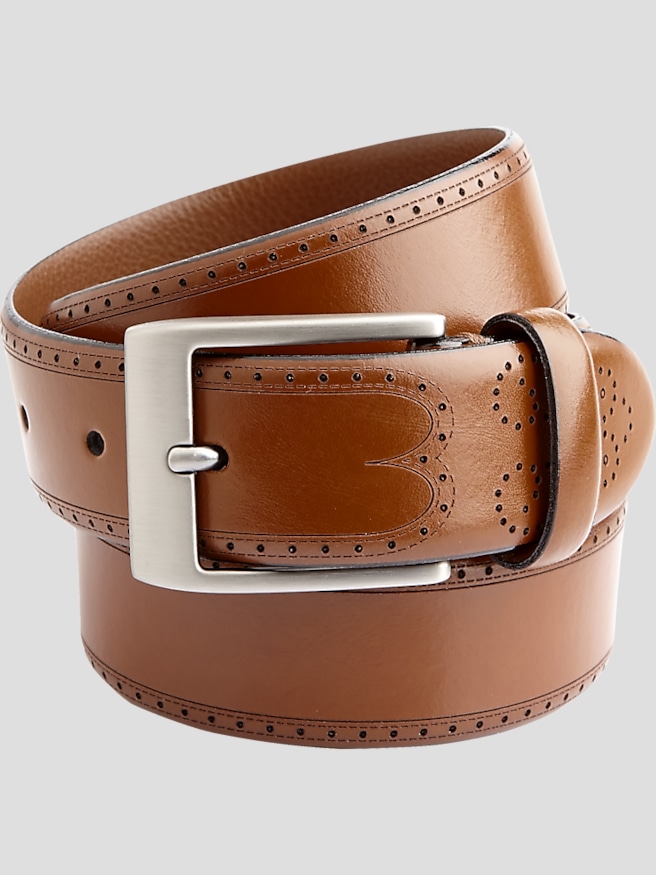
Gifts for men when you don't know their size include neckties, pocket squares, wallets, card cases, and other accessories that do not depend on shirt, jacket, or trouser measurements. These gifts can add something useful or distinctive to a wardrobe without requiring a guess at a number on a clothing label. A small accessory might become part of a daily routine, while a dressier finishing touch can give familiar clothing a fresh point of interest. Personal habits often reveal more about a suitable gift than measurements would. Someone who carries only a few cards may appreciate a slim profile that slips neatly into a pocket; someone who keeps cash, receipts, and identification together may prefer more compartments. For a man who wears tailored clothing, color and pattern offer equally helpful clues. Navy, charcoal, and other understated shades blend easily with many wardrobes, while a patterned accent gives someone who enjoys dressing up another way to express his style. Texture can make a quiet color feel distinctive, so a gift does not need a bold print to have character. A father with a familiar workday uniform, a partner who enjoys getting dressed for dinner, or a recent graduate preparing for professional events may each find a different use for the same broad category of accessory. The connection comes from recognizing that routine rather than trying to reinvent it. A gift for an everyday commute has a different job from one intended for a wedding or an anniversary dinner, and the most satisfying choices reflect that distinction. Size-independent accessories are especially useful for relatives, friends, and colleagues whose clothing measurements are not part of everyday conversation. They allow the gift to feel personal through its finish, proportions, and purpose, with less emphasis on the exact fit that a shirt or pair of pants would require.
Materials and construction shape how these accessories look, feel, and hold up to use. Silk can bring a smooth surface or a softly textured weave to dress accessories, with a finish that ranges from subtle to more lustrous depending on the fabric. Cotton and linen often have a more visibly textured character, while wool can provide depth without relying on a bright color or intricate pattern. Blended and synthetic fabrics vary widely, so the fiber label and care instructions are more informative than a material name alone. In small leather goods, the surface finish, edge treatment, stitching, and arrangement of compartments all affect the experience of carrying the piece. Smooth surfaces have a cleaner, more uniform appearance, while pebbled textures give everyday handling marks a less prominent backdrop. Neat seams and well-finished edges are worth attention because these areas receive repeated friction from pockets and bags. A compact shape is useful only if it accommodates the recipient’s essentials without becoming overfilled. Dress accessories have their own practical considerations, even when they do not require a conventional clothing size. A necktie’s width changes its relationship to jacket lapels, and its length affects where the tip rests once tied. A pocket square should have enough fabric to hold the intended fold without overwhelming a shallow breast pocket. Adjustable bow ties still have a defined neck range rather than a universal fit. Cufflinks depend on a compatible shirt cuff, making them better suited to someone who already wears that style. Tie bars also work best when their proportions suit the tie rather than extending beyond its edges. These details separate an accessory that simply looks appealing from one that feels natural in use. Familiar colors, practical dimensions, and compatibility with clothing already worn help a gift become part of an existing wardrobe instead of remaining reserved for an occasion that rarely comes.
Care requirements matter because a gift should suit the recipient’s habits as well as his taste. Fabric accessories generally keep their shape better when stored without tight knots, heavy creases, or pressure from crowded drawers. Untying a necktie after wearing it, rather than pulling it loose and leaving the knot in place, helps reduce unnecessary stress on the fabric. Pocket squares benefit from clean, dry storage, and their care should follow the fiber-specific directions rather than the assumption that every small piece of fabric can be washed the same way. Delicate materials and structured accessories may call for professional cleaning, while other fabrics allow simpler upkeep. Leather goods also need care appropriate to their finish; prolonged moisture, excessive heat, and overfilled compartments can affect their appearance or shape. Metal accessories are best stored where they will not rub against harder surfaces, with any cleaning method matched to the material and finish. These practical differences can help distinguish a gift for someone who enjoys maintaining dress accessories from one for a person who prefers a straightforward daily routine. The occasion adds another layer of meaning. A graduation gift can acknowledge the move into interviews and professional gatherings, while a birthday gift can reflect an established interest in tailoring or well-made everyday essentials. An anniversary might call for a detail that recalls a favorite outfit or a memorable evening. For a colleague, restrained styling and a clear everyday purpose can feel appropriate without assuming too much about personal taste. Presentation can remain simple: careful folding, protected surfaces, and a short message explaining the connection often say more than elaborate packaging. The lasting appeal comes from being noticed and understood, whether that means remembering a preference for subtle patterns or recognizing the need for a less bulky pocket accessory. Size-independent accessories can stand on their own or complement Clothing Gifts For Men when the recipient’s measurements are known, adding a personal finishing touch to a broader wardrobe gift.