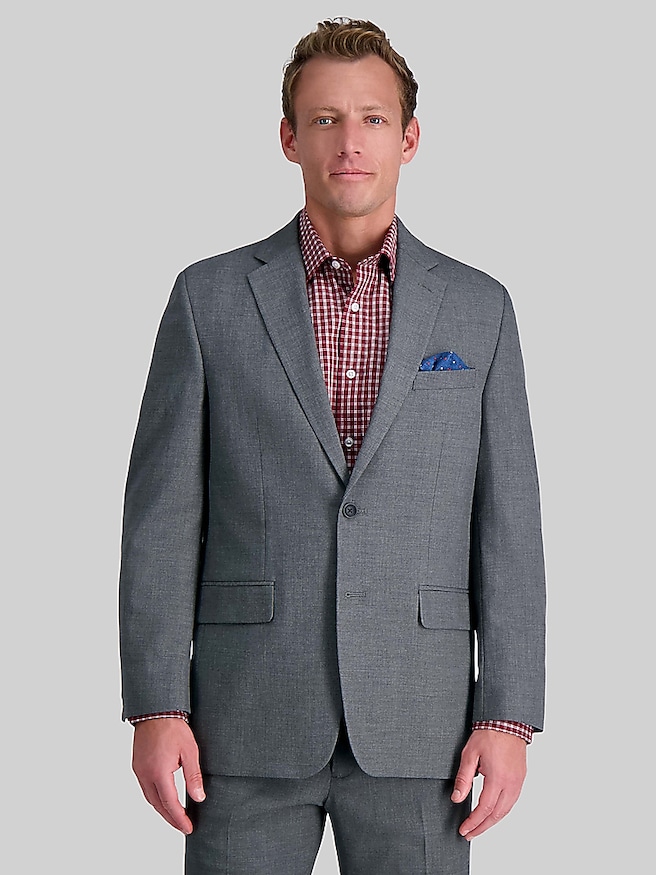
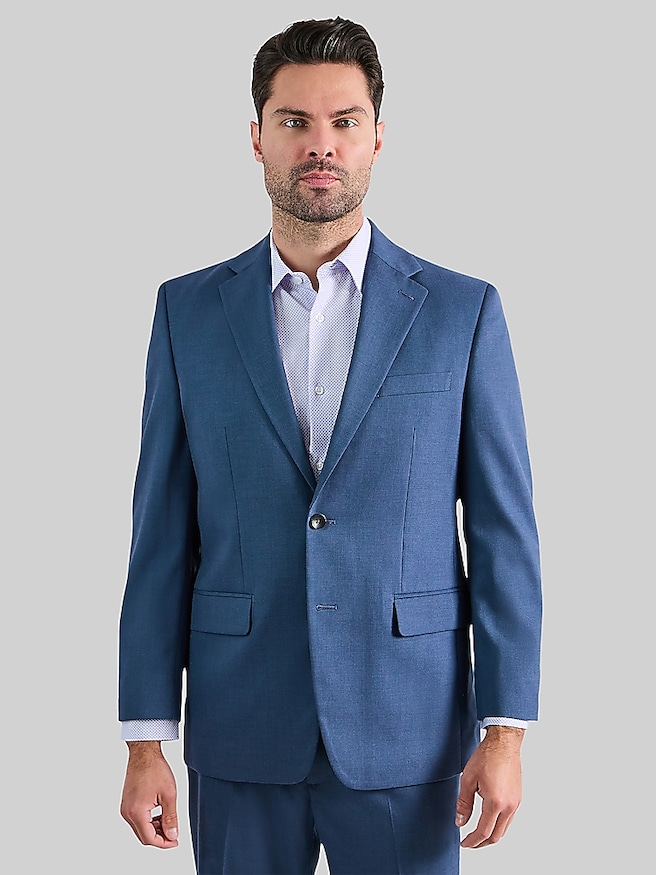
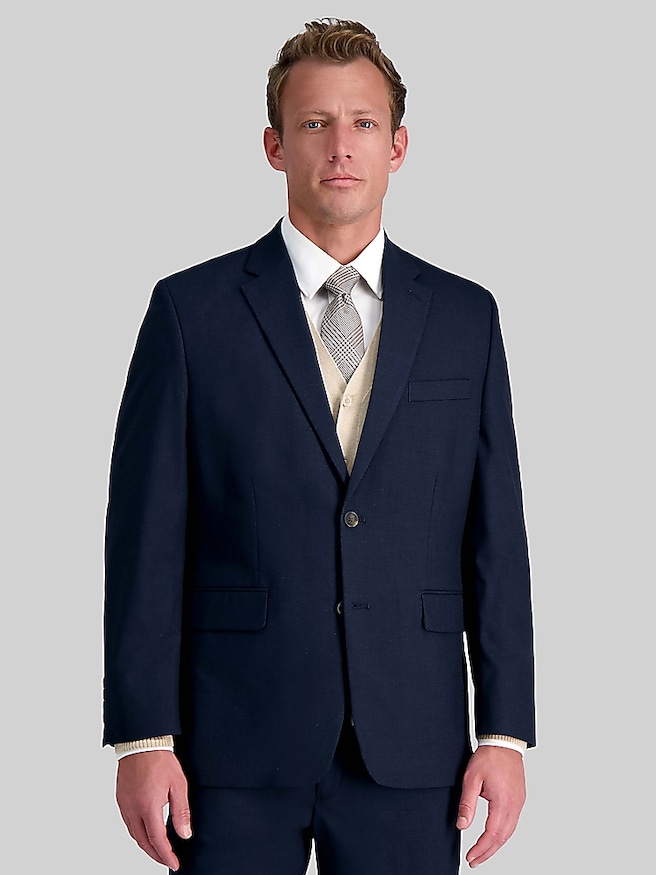
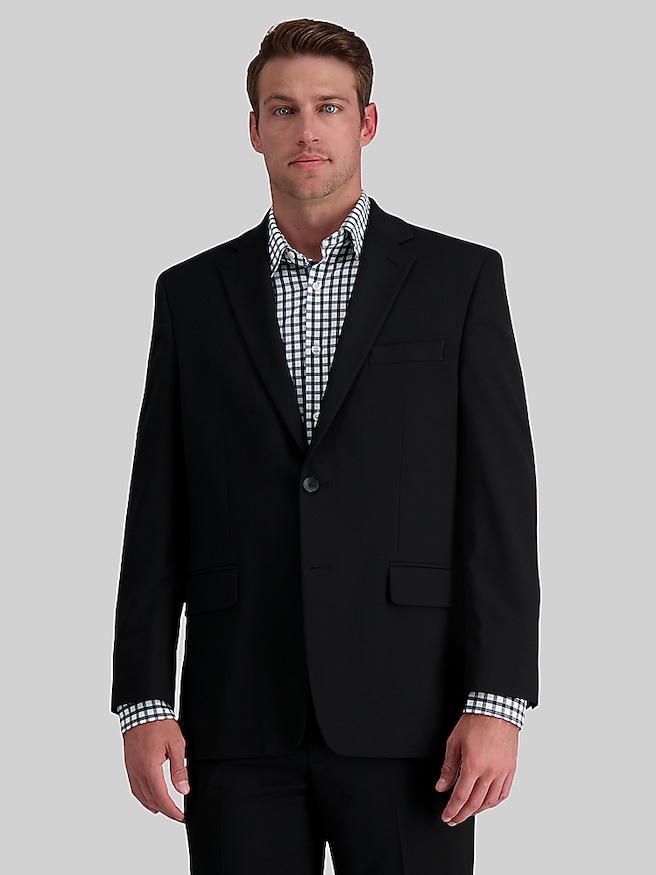
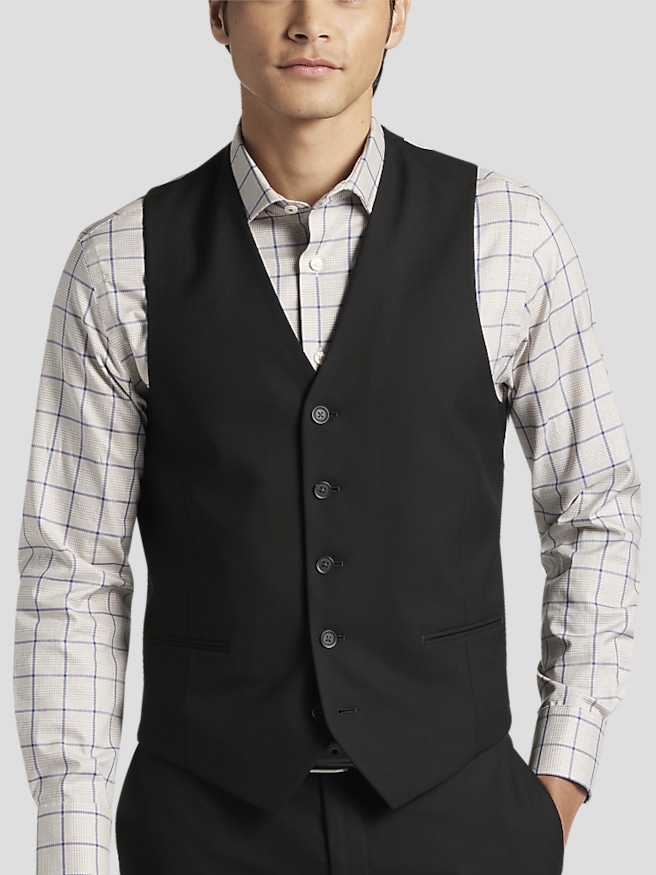
High school graduation ball suit vests add a finished layer to formal attire, turning a coordinating jacket and trousers into a three-piece look. Worn over a dress shirt, a vest brings structure to the torso and keeps the outfit looking intentional when the jacket comes off for dinner or dancing. That balance makes suit vests especially useful for a celebration that moves from posed photographs to a crowded dance floor. A vest made from the same fabric as the suit creates a continuous line, while a contrasting waistcoat introduces another color or texture without changing the foundation of the outfit. Navy, charcoal, black, and gray provide familiar starting points for formal dressing; lighter neutrals create softer contrast, and deeper jewel tones can add personality beneath a dark jacket. The distinction between a suit vest and a tuxedo vest matters, too. Suit vests generally complement tailored business or occasion suits, while tuxedo vests often have a lower opening designed to work with a formal shirt and bow tie. The event’s dress code helps establish which direction feels appropriate. For a graduation ball with a formal but flexible dress code, a restrained woven texture can be enough to distinguish an outfit in group photographs. A smooth finish creates a cleaner impression, while a small repeating pattern adds detail that becomes more noticeable up close. Paisley and geometric motifs can serve as a focal point, particularly when the shirt and jacket remain simple. Color does not have to match every accessory exactly: a shared undertone or a repeated accent can connect the pieces more naturally than several competing patterns. These vests suit graduating students building a first formal wardrobe as well as attendees who already have a suit and want a more complete occasion look. Their appeal extends beyond a single celebration, with understated fabrics and versatile colors transitioning comfortably to future ceremonies, school recognition events, and weddings.
Fit gives a graduation ball vest its sharp appearance more than decorative details alone. The front should rest close to the body without horizontal pulling at the buttons, and the neckline should lie flat over the shirt. At the shoulders, the fabric should follow the body rather than project outward, while the armholes need enough room for reaching across a table or raising an arm for a photograph. A well-proportioned vest covers the trouser waistband during normal standing posture, preventing a strip of shirt from breaking up the outfit. Trouser rise affects that relationship, so the same vest can look balanced with one pair of trousers and too short with another. The back should sit smoothly beneath the jacket, without excess fabric collecting at the waist. An adjustable back strap, when part of the construction, allows modest refinement; it cannot fully correct a vest that is too large or too small through the chest. On many traditionally styled single-breasted suit vests, the lowest button is left undone for ease and customary appearance, although the intended fastening can vary by design. Comfort also depends on fabric, lining, and weight. Wool offers natural breathability and a tailored drape, making it useful for an evening that includes both outdoor photographs and a warm indoor venue. Wool blends combine that character with properties contributed by other fibers, while polyester blends can offer wrinkle resistance and straightforward upkeep, depending on the garment. Cotton tends toward a matte, less lustrous appearance, and linen brings visible texture with a greater tendency to crease. Satin describes a weave rather than a single fiber, so a satin-finish vest may have a sheen without being made of silk. The care label identifies the actual fiber content. A smooth lining helps the vest settle over a shirt, and neatly finished seams, secure buttons, and tidy buttonholes are useful signs of construction quality. Under a close-fitting jacket, a lighter vest can provide definition without making the layered outfit feel bulky.
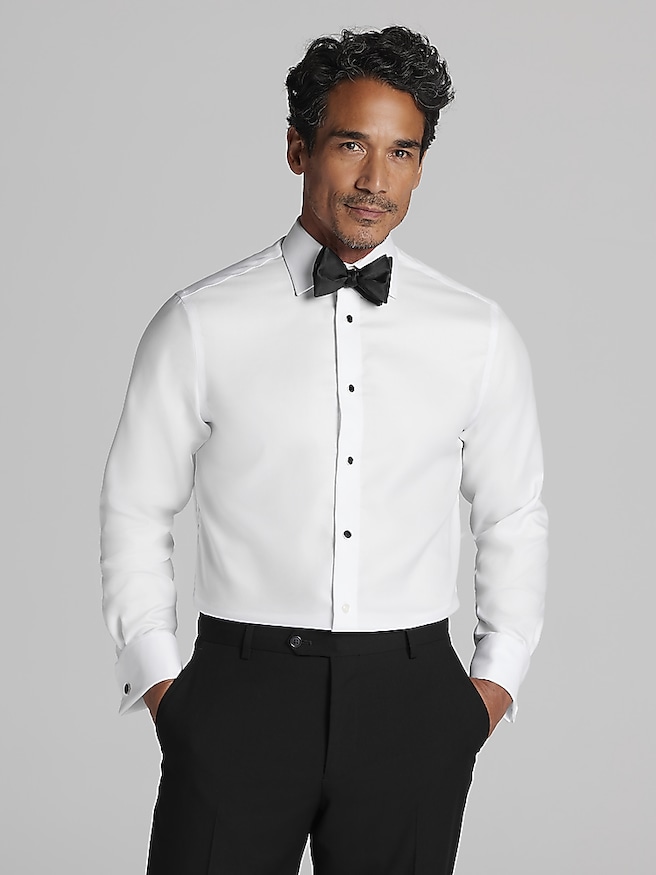
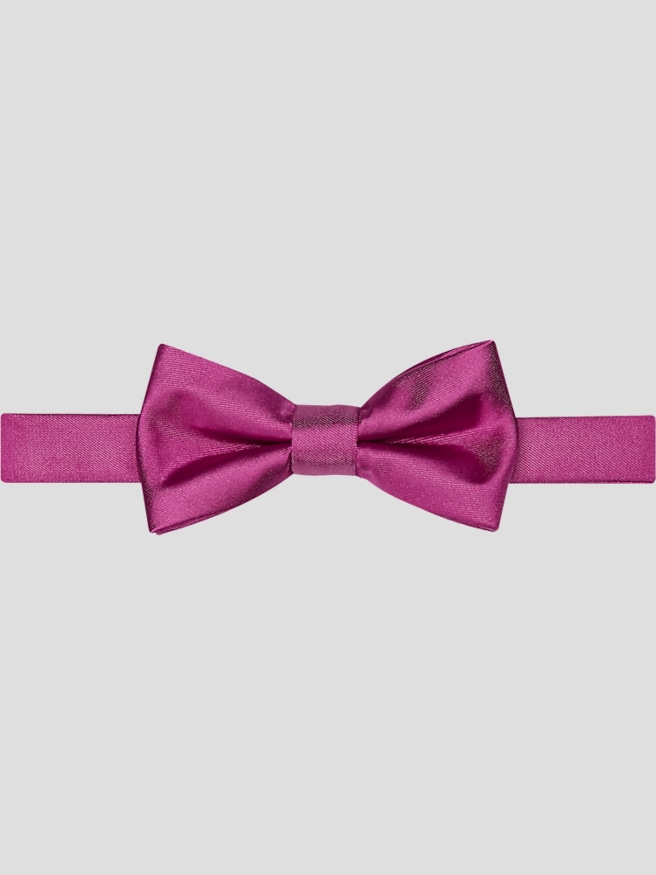
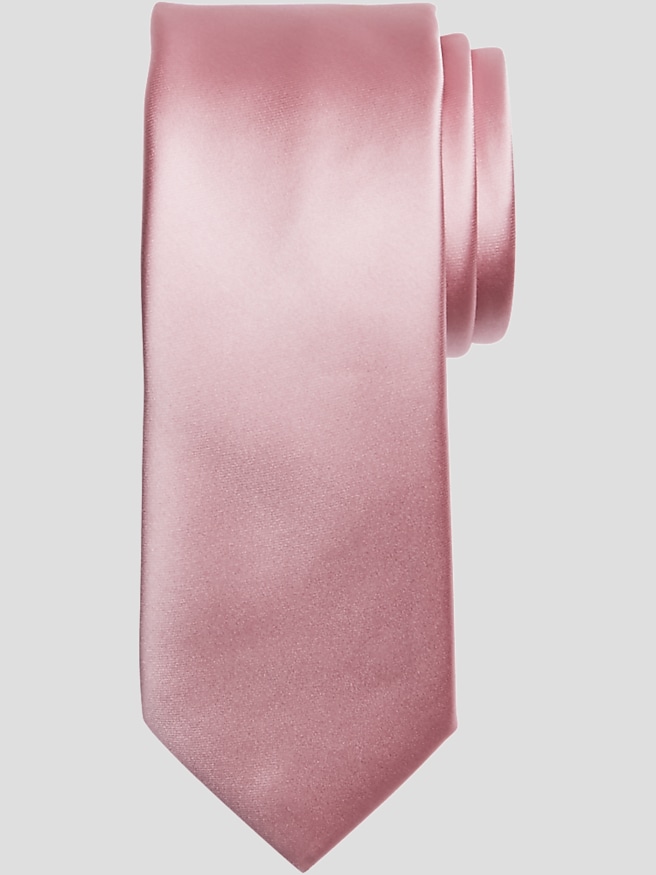
The most convincing graduation ball outfits give each layer a clear role. A crisp dress shirt supplies the backdrop, the vest shapes the middle of the outfit, and the tie or bow tie draws attention toward the face. A white shirt offers a clean contrast against dark tailoring, while a pale blue shirt can soften the effect of navy or gray. With a patterned vest, a solid neck accessory keeps the combination composed; with a plain vest, a subtle accessory pattern can add interest without overwhelming the suit. For a coordinated finishing touch, High School Graduation Ball Bow Ties can complement the vest’s color and neckline while preserving a clear focal point. A bow tie leaves more of the shirt front visible, making the depth and shape of the vest opening especially noticeable. A long tie fills more of that space, with its lower portion usually tucked beneath the vest. Small details become important during an evening of close-up photographs: a flat collar, smooth shirt sleeves, and pocket contents kept light help preserve the silhouette. The vest should also feel comfortable while seated, not just while standing in front of a mirror. Care after the celebration helps retain that appearance for another occasion. Cleaning methods vary by fabric and construction, so the garment’s care label takes priority over assumptions about washable fibers. Structured fronts, linings, and decorative finishes may require professional cleaning even when one component seems easy to wash. Prompt attention to spills, gentle airing after wear, and storage on a suitable hanger help protect the shape between uses. Excessive heat can affect some fibers and finishes, making label-approved pressing or steaming important. For a graduating student receiving formalwear as a gift, a versatile vest can be a thoughtful addition when chest measurements, torso length, and the intended suit are known. The result is a useful wardrobe layer with a place in photographs from a milestone evening and in polished outfits long after the final dance.