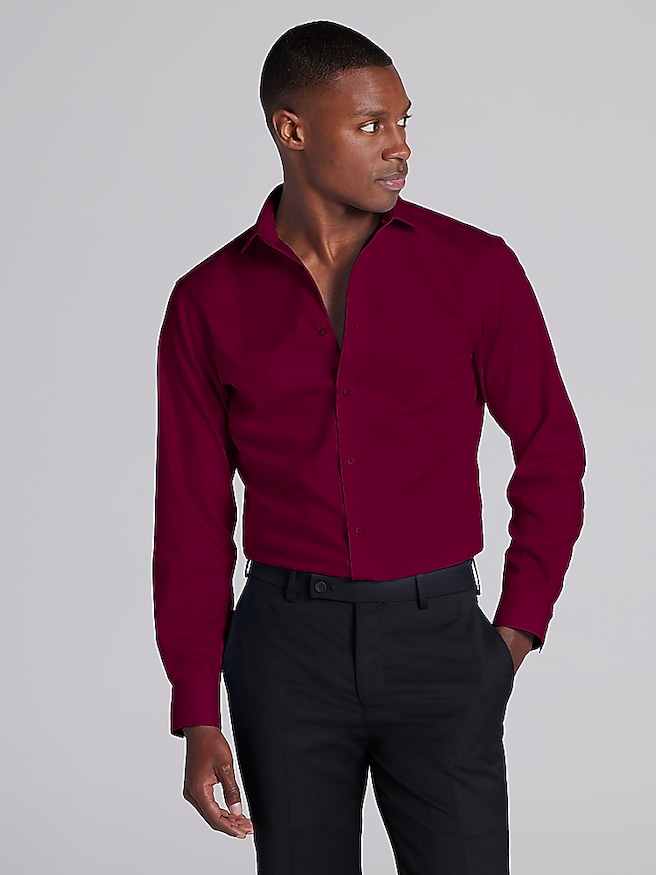
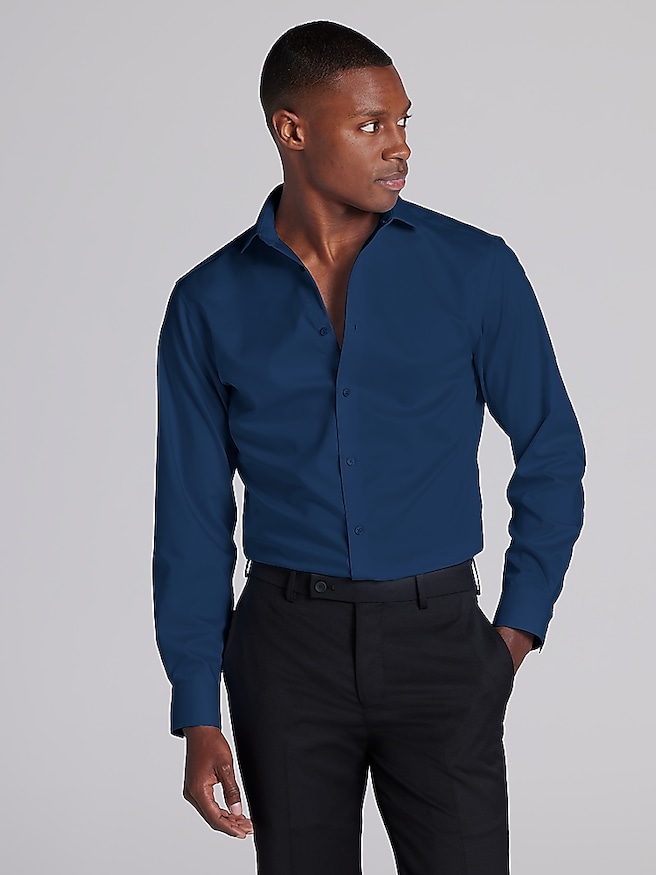
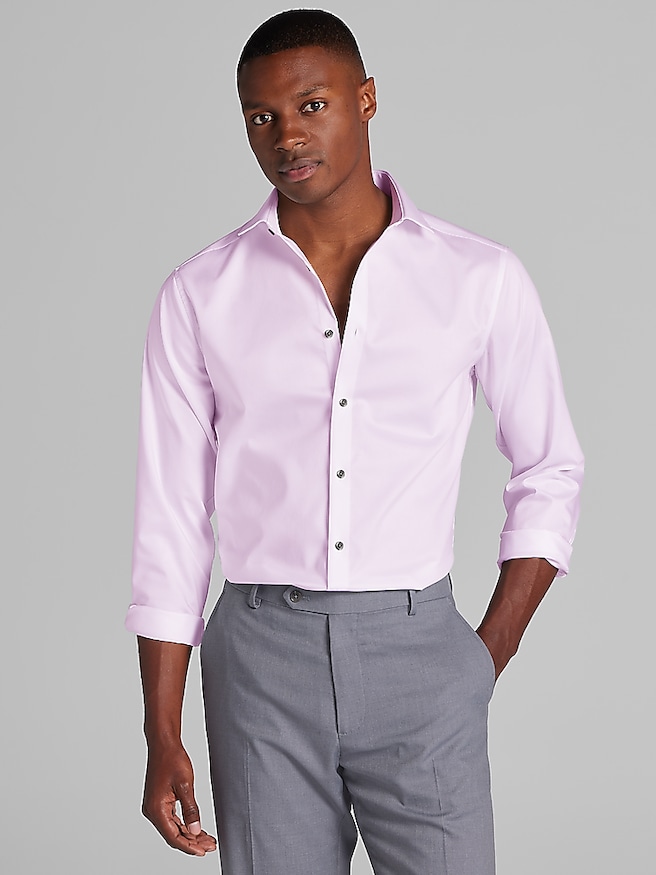
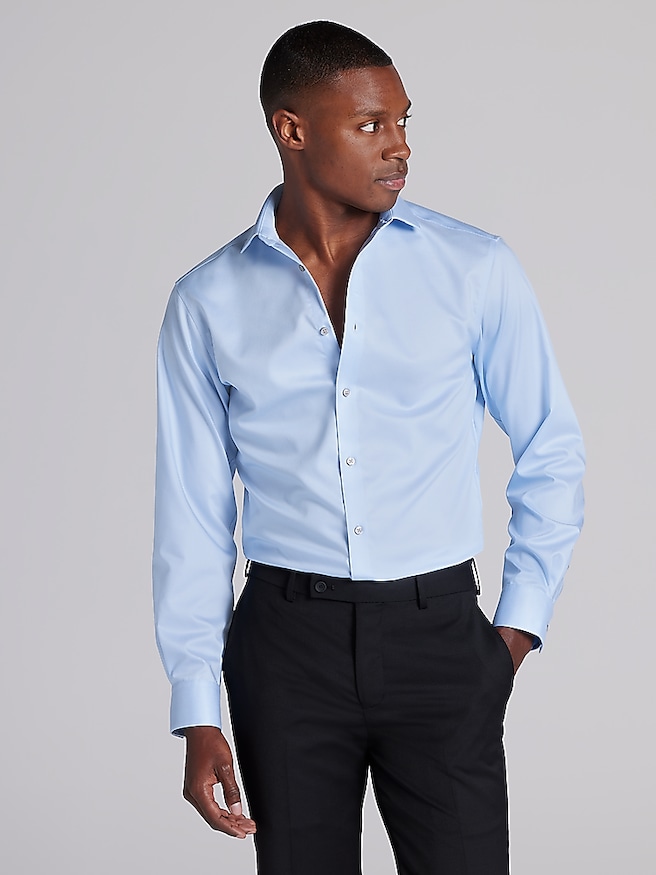
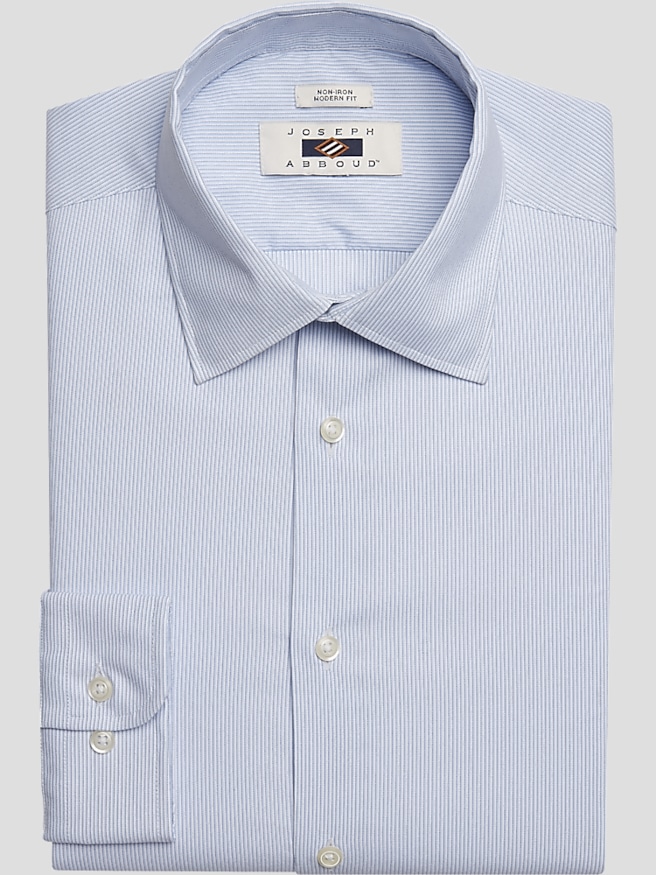
High-quality dress shirts combine comfortable fabric, balanced construction, and a fit that stays neat through a full day of wear. The difference often becomes clear in ordinary moments: a collar that sits cleanly beneath a jacket, cuffs that hold their shape, and fabric that feels smooth rather than stiff against the skin. Long-staple cotton is valued for its longer fibers, which can produce smoother yarns with fewer exposed ends. That can contribute to a soft feel, good strength, and less surface fuzz with proper care. Two-ply yarns, made by twisting two strands together, can also add strength and substance, although fiber quality, weave, and finishing matter just as much as ply. Numbers such as 100s or 120s describe yarn fineness, not a universal quality score or the finished fabric’s thread count. A finer yarn can create a smooth, lightweight cloth, while a more substantial fabric may better suit frequent wear. Poplin typically has a crisp, smooth surface that works well beneath a suit. Twill has a subtle diagonal texture and often drapes softly, while pinpoint oxford brings a little more texture without losing its polished character. Opacity matters, too, especially with white and pale blue shirts; a fabric with enough coverage helps keep an undershirt from becoming the most noticeable part of an outfit. Construction details complete the picture. Even stitching, neatly finished seams, secure buttons, and cleanly sewn buttonholes help a shirt withstand repeated wear. Fine single-needle seams can create a tidy finish, but seam strength also depends on stitch consistency and workmanship. Mother-of-pearl buttons offer subtle luster, though button material alone does not establish overall quality. A collar with appropriate internal support should frame the face without feeling rigid, and cuffs should lie smoothly rather than twist. Taken together, these details give a dress shirt the structure to look composed and the ease to remain comfortable beyond the first meeting.
Fit gives that fabric and construction room to work. A well-fitting dress shirt should follow the body without pulling across the chest, straining at the buttons, or gathering heavily above the waistband. Shoulder seams generally sit near the edge of the shoulders, while sleeves allow enough movement to reach across a desk or put on a jacket without dragging the cuffs far up the arms. A fastened collar should feel secure without pressing into the neck, particularly when worn with a tie. Neck and sleeve measurements offer a more precise starting point than a letter size alone, although the shape through the chest, waist, and upper arms matters just as much. Slim, tailored, and classic fit descriptions can vary by maker, so the actual proportions deserve attention. A closer cut can create a clean line beneath a trim suit, while a fuller shape may provide welcome ease through the torso. Neither should require constant adjustment. For shirts intended to stay tucked in, adequate length helps keep the hem anchored when sitting, standing, or reaching. Comfort also depends on how the fabric responds to movement. Stretch blends can offer flexibility, while cotton-rich fabrics can combine a familiar feel with practical performance features. For long office days or events that move from a seated ceremony to a crowded reception, Comfortable Dress Shirts can be a useful starting point for considering ease alongside appearance. Collar and cuff choices help establish the level of formality. A point collar creates a focused frame for a tie, a spread collar leaves more room for a fuller knot, and a button-down collar brings a relaxed note to business-casual outfits. Barrel cuffs suit everyday wear, while French cuffs accommodate cuff links for dressier occasions. Solid white and blue provide versatile foundations; fine stripes and small checks add interest without competing heavily with a jacket. The most useful combination depends on the setting, whether that means an interview, client presentation, wedding, or dinner where a polished appearance feels appropriate.
Lasting quality also depends on how a dress shirt fits into everyday routines. A beautifully finished fabric is most useful when its care requirements match the time and attention it will receive. Non-iron and wrinkle-resistant finishes can reduce maintenance, but they do not make every shirt immune to creasing, especially after a tightly packed trip or several hours seated. Traditional cotton may require more pressing, yet its feel and crisp finish can make that extra attention worthwhile. The care label remains the best reference for washing, drying, and ironing because fabric blends, finishes, and construction can call for distinct treatment. When machine washing is permitted, moderate temperatures, similar colors, and a load with enough room to move can help limit unnecessary wear. Prompt attention to collar and cuff marks helps prevent buildup, while using cleaning products as directed protects both fabric and color. Excessive dryer heat can contribute to shrinkage and stress the cloth; removing a shirt promptly and hanging it neatly can make finishing easier. For fabrics that allow ironing, a suitable heat setting and attention to the collar, cuffs, and front placket restore the lines most visible beneath a jacket. Smooth hangers support the shoulders, and a little space between garments helps prevent fresh creases. Rotating shirts between wears also creates time for laundering and inspection rather than putting the same garment through repeated back-to-back use. Small repairs, such as securing a loose button before its thread gives way, can extend a shirt’s useful life. For someone building a professional wardrobe, dependable dress shirts support everything from a first day at work to an important presentation. They can also make thoughtful gifts for a graduate, partner, or family member when neck size, sleeve length, preferred fit, and care habits are known. Familiar colors and a collar style the recipient already enjoys often make the gift easier to wear. The strongest measure of quality is how comfortably and consistently a shirt performs, not simply how impressive it looks when first unfolded.