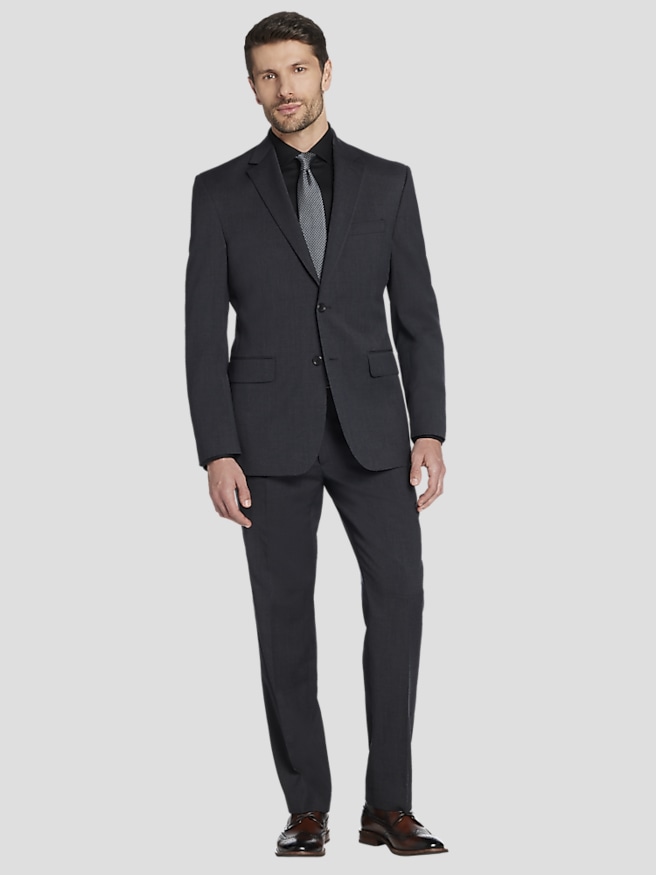
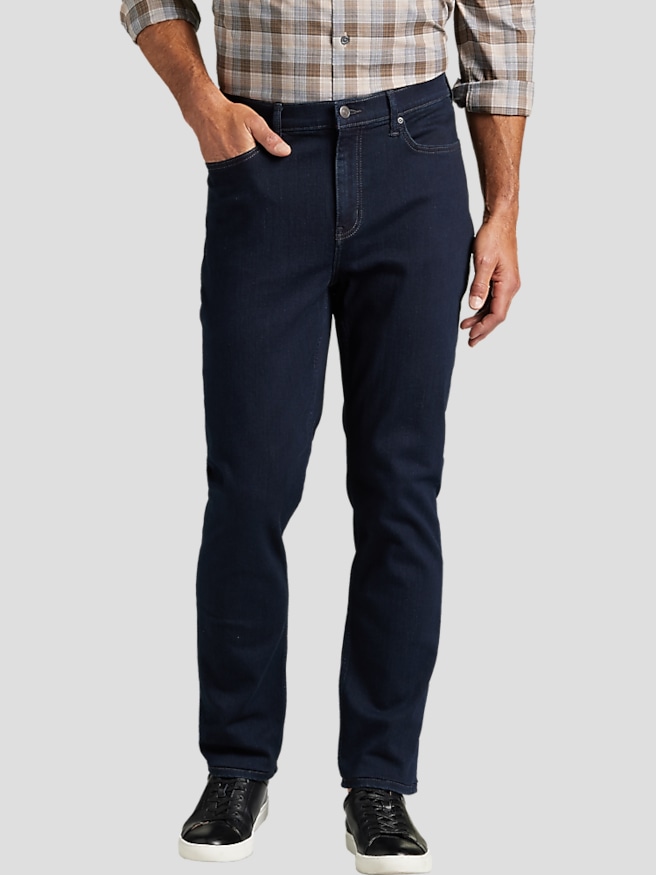
Groomsmen clothing ideas range from classic black-tie tuxedos and navy or charcoal suits to coordinated separates in tan, gray, or deep green. The right direction depends on the wedding’s dress code, setting, and overall level of formality. For a black-tie celebration, a black or midnight blue tuxedo with a white formal shirt and black bow tie creates a clear, consistent look across the wedding party. Satin or grosgrain lapel facings distinguish traditional tuxedo styling from a standard business suit, while matching formal trousers keep the outfit cohesive. For weddings that call for suits rather than tuxedos, navy and charcoal provide versatile foundations that work with many shirt, tie, and floral combinations. A three-piece suit adds the structure of a vest, which also helps the outfit look considered when jackets come off at the reception. Tan, medium gray, and muted green offer alternatives when the dress code allows a less traditional palette. Matching every suit creates visual consistency, but coordinated clothing does not have to mean identical clothing. The same fabric color with a choice of jacket fits can accommodate varied builds without making the group look disconnected. Complementary suit shades can also work when the shirt color, tie family, and shoe formality remain consistent. For example, a group in related shades of gray looks more deliberate when everyone wears a crisp white shirt and similarly restrained accessories. The groom can stand apart through a contrasting vest, a distinctive tie texture, or a separate jacket color that still belongs within the wedding palette. Coordination with flowers and other wedding-party attire usually looks more natural when colors complement one another rather than attempting an exact match across every fabric. A shared palette for Groom And Groomsmen Attire gives the group a recognizable connection while leaving room for the groom’s outfit to have its own identity. The result should make sense both in a full wedding-party portrait and in smaller photographs of friends standing together.
Fabric and fit determine how groomsmen clothing looks and feels through a ceremony, photographs, dinner, and dancing. Wool suiting is valued for its drape and natural resilience, with many wool fabrics recovering well from ordinary creasing when given time to rest. Wool blends can combine that tailored appearance with other characteristics, such as added stretch or wrinkle resistance, depending on their composition. Cotton has a more matte, relaxed character, while linen contributes visible texture and a naturally creased finish that suits less formal settings. These differences matter when coordinating a group: two suits described as navy may look noticeably unlike each other if one has a smooth finish and the other has a pronounced weave. Fabric sheen also affects photographs, especially under bright interior lighting or flash. A consistent finish often does more to unify the party than closely matched accessories alone. Fit deserves the same attention, particularly when groomsmen have varied heights, shoulder widths, and proportions. A slim silhouette is not automatically the most polished choice; the better fit follows the body without pulling across the chest, restricting the upper arms, or catching at the hips. Jacket shoulders should sit cleanly, the collar should rest against the shirt collar, and the front should close without pronounced tension lines. Trouser fit should allow comfortable sitting and walking while keeping the waistband in place. Hem length influences the whole silhouette, from a slight break over dress shoes to a cleaner, shorter finish, but consistency matters more than choosing one fashionable measurement for everyone. A shirt collar needs enough room to remain comfortable when fastened with a tie, and sleeves should allow a small, intentional amount of cuff to show beneath the jacket. Stretch can help with movement, but it cannot correct an overly tight cut. Walking, sitting, reaching forward, and lifting the arms reveal fit issues that may not be obvious while standing still. Well-finished seams, secure buttons, and neatly constructed pockets also contribute to clothing that can handle a long celebration and later occasions.
Shirts, neckwear, shoes, and smaller accessories bring groomsmen outfits into focus without needing to compete for attention. White dress shirts provide a straightforward foundation, especially when the group is wearing dark suits or traditional formalwear. Pale blue can soften a suit-based outfit when the dress code permits, while a subtle shirt texture can add interest beneath a plain jacket. Collar shape should work with the neckwear: a tie knot needs enough space to sit neatly, and a bow tie should rest comfortably without forcing the collar outward. Ties and pocket squares can share a color family without repeating the same pattern. A textured tie beside a simple white pocket square often creates a more balanced result than several strongly patterned accessories together. Shoes should match the formality of the clothing, with formal footwear accompanying tuxedos and polished leather dress shoes complementing suits. Black shoes provide a consistent finish with black, charcoal, and many navy outfits; brown shades can work with navy, gray, and tan when the wedding’s formality allows them. Belts, when needed, look most cohesive when their leather relates to the shoes, while trousers designed for suspenders or side adjusters may not need a belt at all. Socks long enough to cover the leg while seated help maintain a continuous line beneath the trouser hem. Personal details such as cuff links, a tie bar, or a meaningful pocket square can also serve as gifts for groomsmen, especially when they are chosen with future wear in mind. Navy and charcoal tailoring can return to use for celebrations, professional events, and other dress occasions, while understated accessories are easy to pair with clothing beyond the wedding. Care helps preserve that usefulness. Following each garment’s care label is essential, since suit fabrics, linings, shirts, and decorative finishes may need distinct treatment. Hanging jackets on supportive hangers, airing garments after wear, and addressing marks promptly according to the care instructions help maintain their appearance. Before the event, a clean shirt, properly finished hems, polished shoes, and wrinkle-free clothing make the coordination visible in all the small moments, from fastening a boutonniere to raising a glass at the reception.