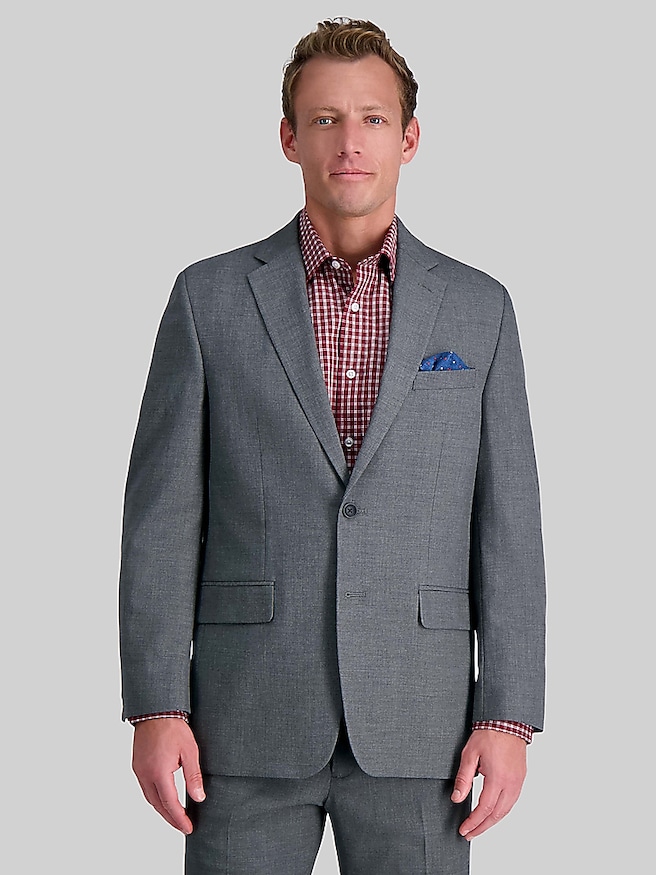
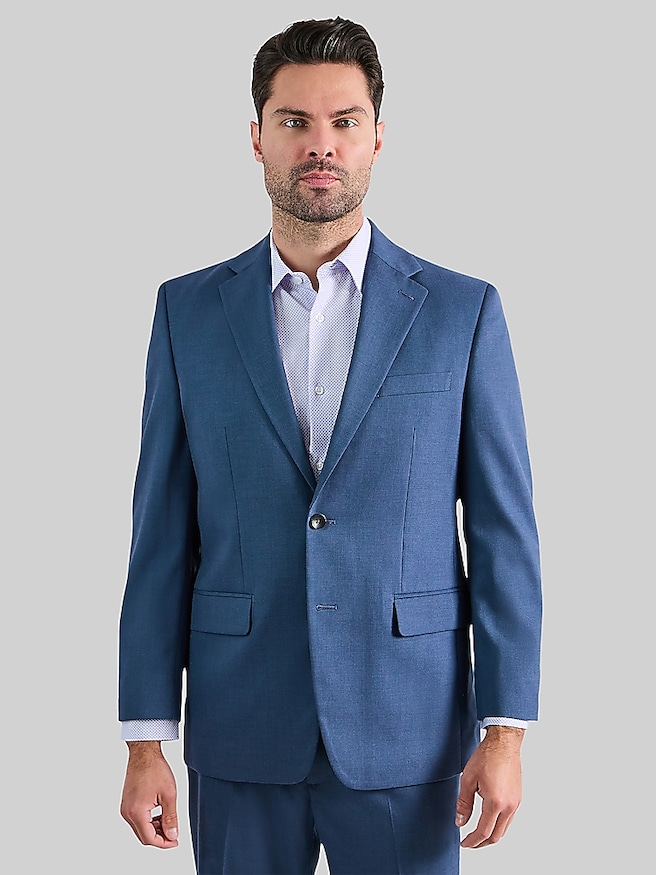
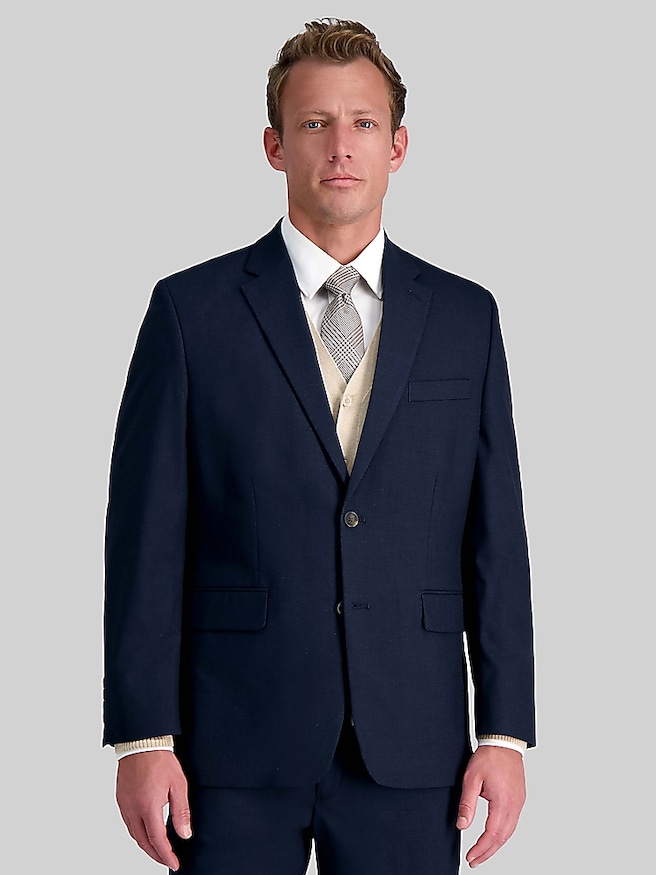
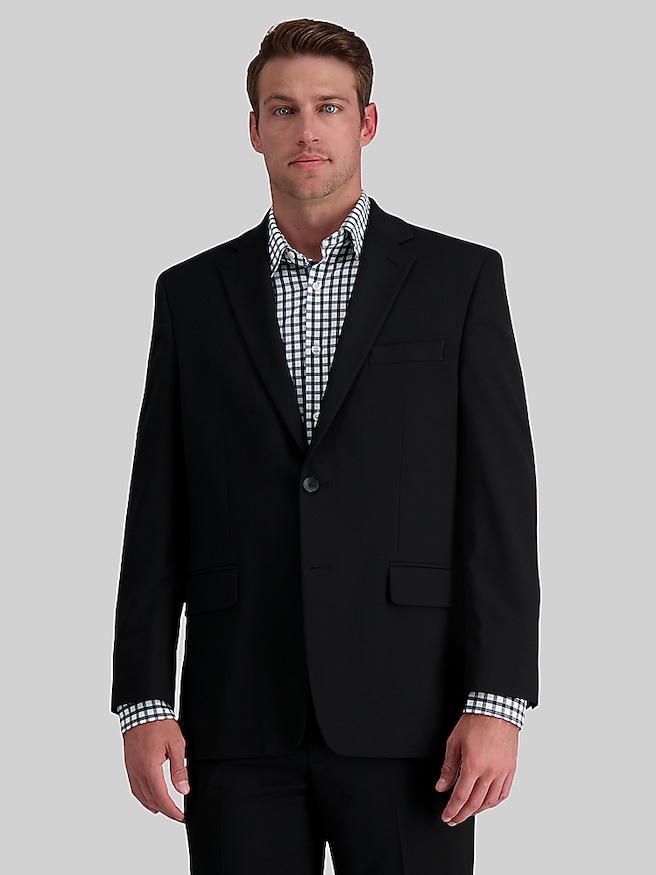
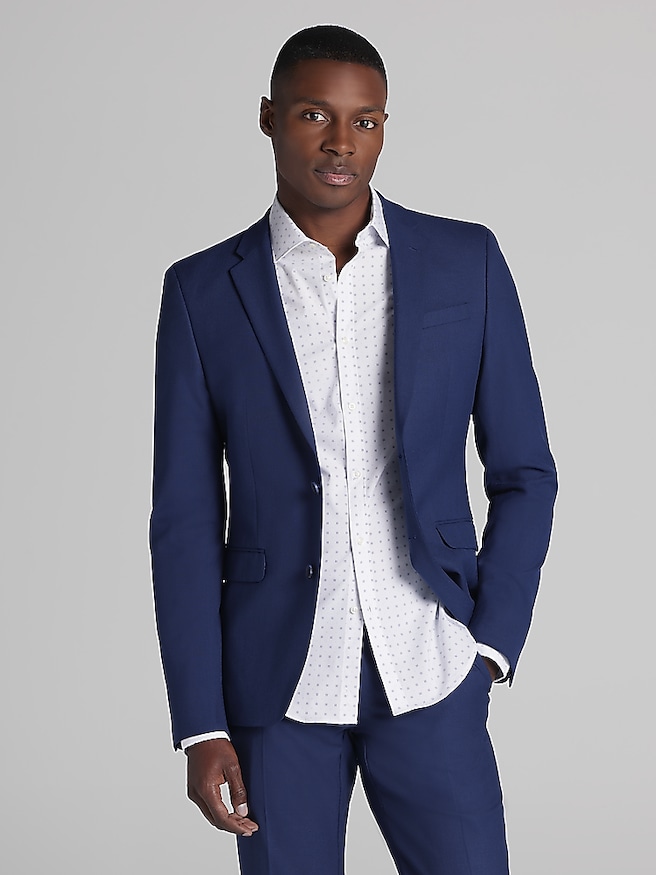
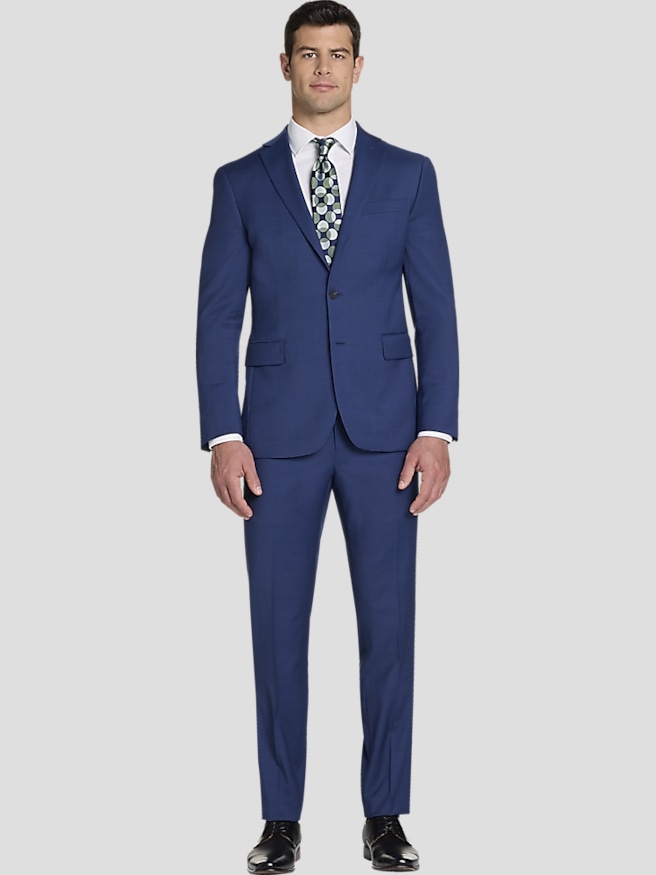
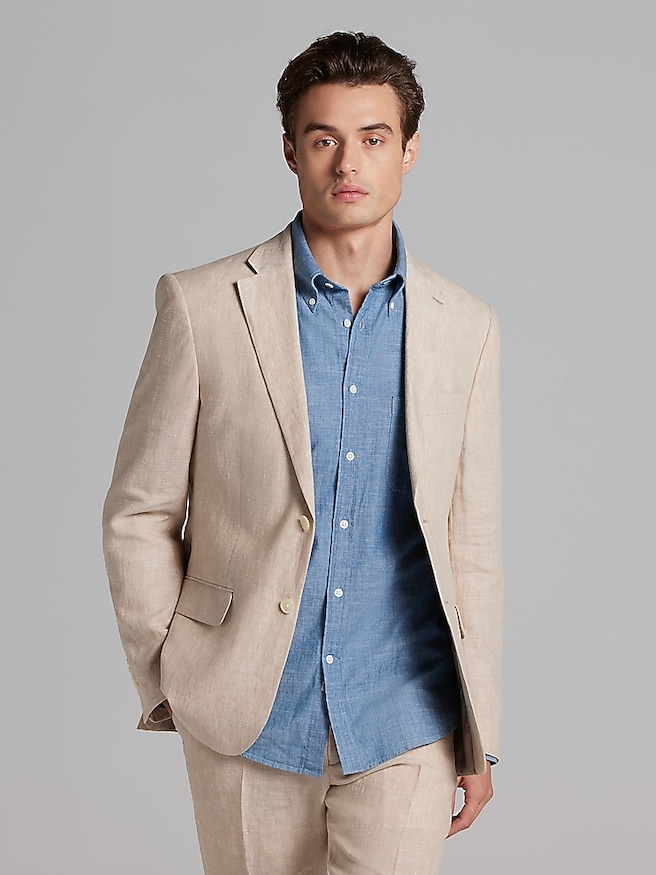
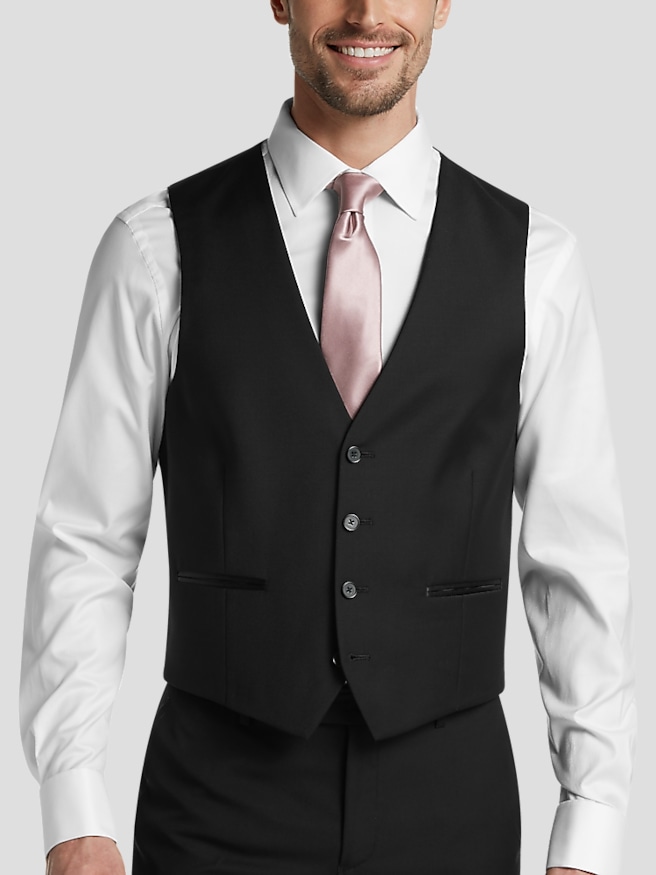
Groom and groomsmen attire sets the visual tone for the wedding party while giving each person a polished, comfortable way to take part in the celebration. The right choice begins with the overall dress code, venue, season, and level of formality. A black-tie ceremony calls for the clean lines and refined finish of a classic tuxedo, often paired with a bow tie and carefully coordinated accessories. For a traditional formal wedding, a dark suit in navy, charcoal, or deep gray creates a timeless appearance that works beautifully in a church, ballroom, historic venue, or evening reception. Outdoor ceremonies and relaxed gatherings may call for lighter shades such as tan, beige, or soft gray, along with breathable fabric choices that feel comfortable when guests move between the ceremony and reception. The groom and groomsmen do not need to look identical from head to toe, but their attire should feel connected. Matching jackets and trousers create a unified appearance, while coordinated shirts, ties, pocket squares, socks, and footwear help bring the group together. When the wedding palette includes distinctive colors, accessories can echo those tones without making the clothing feel overly themed. It is also helpful to consider the photographs: classic neutrals tend to remain appealing over time, while a thoughtfully chosen accent color can add personality and complement flowers, décor, or the wedding party’s attire. Groom attire often benefits from a subtle point of distinction, such as a three-piece silhouette, a different tie texture, a slightly varied shade, or a boutonniere with a small visual difference. These details allow the groom to stand apart while preserving the cohesive look that makes group portraits feel intentional.
Planning early gives the wedding party more flexibility, especially when several people need coordinated sizing, alterations, or formalwear arrangements. Beginning the process roughly four to six months before the ceremony leaves time to compare silhouettes, confirm color choices, arrange fittings, and address changes in schedules or measurements. It also allows the groom and groomsmen to make decisions together rather than choosing attire under pressure as the wedding approaches. Budget conversations are an important part of that process. Members of the wedding party may have different financial circumstances, so discussing the expected cost early can help the group choose an option that feels reasonable for everyone. Purchasing attire can be useful for someone who expects to attend future formal events or wants a dependable addition to a carefully edited wardrobe. A formalwear service can be convenient for a one-time celebration, particularly when matching garments, accessories, and coordinated fittings are part of the experience. Whichever path fits the group, the most successful choice balances appearance, comfort, timing, and practical value. Pay attention to fit through the shoulders, sleeve length, trouser break, jacket length, and ease of movement. The groom and groomsmen may spend hours standing, greeting guests, posing for photographs, dining, and dancing, so a sharp appearance should not come at the expense of comfort. During cooler months, layering can add warmth without disrupting the overall look, while ceremonies in milder conditions may call for lighter materials and less restrictive styling. Shoes should be comfortable enough for a full day, and accessories should support the outfit rather than compete with it. A trusted tailor or fitting specialist can make a significant difference, since even well-chosen attire looks more refined when the proportions are adjusted to the wearer.
The groom’s attire should reflect the character of the wedding and the person wearing it. A classic dark palette can create a dignified, enduring impression, while softer neutrals bring an easy elegance to an outdoor setting. A vest adds structure and gives the groom a distinctive three-piece look, while a two-piece silhouette keeps the wedding party streamlined and relaxed. Coordinating with the broader wedding palette is essential, but exact color matching is not always necessary; complementary shades often photograph more naturally and give each person room to look their best. Consider how the attire will appear beside the other wedding party members, against the venue, and in both natural and indoor lighting. Texture can also add depth, especially when the colors are simple. A subtle weave, crisp shirt, or carefully selected accessory may be enough to distinguish the groom without creating a noticeable break in the group’s style. For additional inspiration and coordinated options, explore Groom Attire For Weddings. These choices can also make thoughtful gifts for members of the wedding party, particularly when an accessory or versatile formal piece suits the recipient’s personal style and can be worn again. A well-selected item may become part of someone’s wardrobe for anniversaries, celebrations, professional events, and other meaningful gatherings. Whether the goal is a traditional black-tie appearance, a polished formal look, or a relaxed style suited to an outdoor ceremony, groom and groomsmen attire should make the wedding party feel prepared, comfortable, and connected from the first photograph through the final dance.