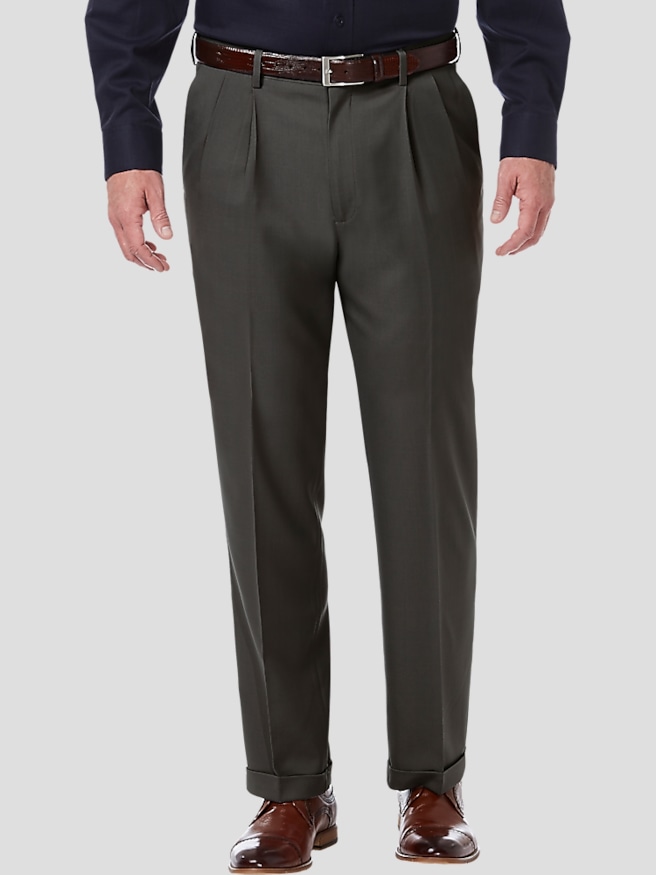
Gray winter trousers bring warmth, texture, and a polished foundation to a cool-weather wardrobe without requiring a matching jacket. Their neutral color works across office attire, evening gatherings, and quieter weekend plans, while the fabric gives them their seasonal character. A softly brushed surface feels at home beside a cable-knit sweater; a smoother, tightly woven cloth looks crisp beneath a tailored coat. The most useful distinction is not simply light gray versus charcoal, but how the material balances insulation, breathability, and structure. Wool is valued for its ability to help regulate temperature and manage moisture vapor, making it comfortable for a morning commute followed by hours indoors. Wool blends can combine that character with other qualities, such as added resilience or stretch, depending on the fiber mix and construction. Flannel describes a fabric with a soft, brushed finish rather than a single fiber: wool flannel often has a substantial drape and a muted surface that pairs especially well with winter knits. Tweed brings a more pronounced texture, while herringbone describes a broken zigzag weave that can add visual depth without a bold color contrast. Neither a textured finish nor a heavier feel makes trousers weatherproof, but a denser weave can help reduce the chill compared with lightweight, open cloth. For a wardrobe built around Grey Mens Pants, these fabric distinctions give winter dressing more range than color alone suggests. Pale gray can brighten a dark overcoat and navy sweater, medium gray offers an easy bridge between business and casual clothing, and charcoal provides a subdued foundation for dressier occasions. Subtle flecks, marled yarns, and woven patterns also soften the appearance of everyday wear. The result is a category of trousers suited to men who want the comfort of seasonal fabric with a cleaner outline than casual denim, whether the day involves a client meeting, a family dinner, or a visit with friends.
Fit determines whether that seasonal fabric feels comfortable through a full day. Winter-weight cloth needs enough room to fall cleanly over the seat and thighs, especially when sitting at a desk, climbing stairs, or stepping into a car. A slim silhouette can still work in a substantial fabric, provided the pockets lie flat and the legs do not pull across the thighs or catch at the calves. Straight-leg and more relaxed cuts allow extra movement and can accommodate a thin base layer when time outdoors is part of the routine. Pleated trousers offer another option: the folds can provide room through the upper leg while maintaining a tailored appearance, though they should rest neatly rather than spread open while standing. Flat-front trousers create a quieter line and work well when the cut supplies sufficient ease on its own. Rise matters just as much as leg shape. A waistband that sits comfortably at the intended position helps a tucked shirt stay orderly and keeps the seat from feeling restricted. Adjustable closures, stretch fibers, and partial linings may contribute to comfort, but their value depends on how the whole garment fits. A lining can help wool cloth move smoothly over the skin or a base layer; stretch should support movement rather than compensate for an overly tight cut. At the hem, a slight break can look balanced with substantial leather shoes, while a cleaner, shorter finish can keep fabric from gathering around ankle boots. Too much length may drag through damp sidewalks and accelerate wear along the edge. Shoes and trousers should look proportionate together: a fuller leg often sits naturally over a sturdier shoe, whereas a narrow opening needs enough clearance to fall past the boot shaft. These details make gray winter dress pants useful beyond standing occasions, with room and balance for the ordinary movements that fill a workday or a long evening out.
The appeal of gray trousers also lies in how easily they connect familiar pieces. Medium-gray flannel with a white Oxford shirt, a navy crewneck, and brown leather shoes feels composed without being stiff. Charcoal trousers with a fine-gauge black sweater create a more tonal look for dinner, while a burgundy or forest-green knit brings depth to lighter gray cloth. Camel outerwear adds warmth to the palette, and a dark navy coat keeps the overall effect restrained. Texture helps these combinations feel intentional: a smooth shirt gives a brushed trouser surface some contrast, while a chunky sweater benefits from pants with enough substance to hold their own. For business settings, a defined crease and an even drape support a sharper appearance; for casual gatherings, a softer finish and a little more room can feel less formal without looking unfinished. Gray winter trousers can also be a thoughtful gift for someone building a professional wardrobe or replacing lightweight pants as cooler weather settles in. A familiar waist measurement, preferred rise, and usual leg shape are more useful starting points than guessing from appearance alone. Long-term performance depends on care as well as fabric. The care label should determine whether trousers are washed or professionally cleaned, since similar-looking cloths can have very different requirements. Between cleanings, airing trousers and gently brushing away surface dust can help keep them fresh. Hanging them neatly on a suitable hanger supports their shape and reduces unnecessary creasing, while allowing damp fabric to dry away from direct heat helps protect the fibers. Wool and other brushed surfaces may develop pilling where fabric rubs, particularly near the inner thighs; careful treatment with a tool appropriate for the cloth can improve the surface without aggressive pulling. Sound seams, secure closures, and neatly finished hems matter because those areas take repeated stress. Rotating trousers between wears gives the fabric time to air and recover, helping preserve the drape and understated texture that make winter-weight gray pants such a dependable part of everyday dressing.