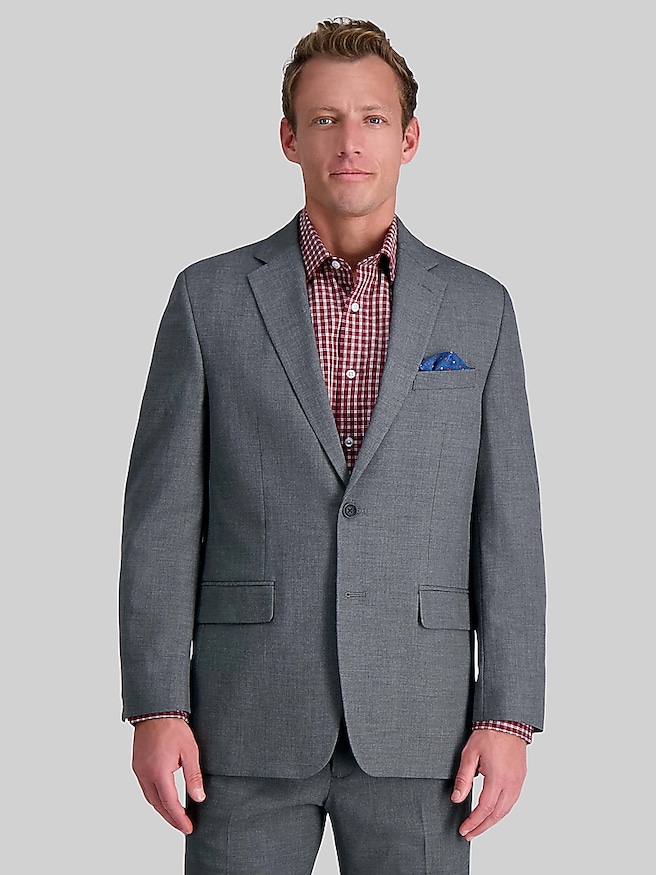
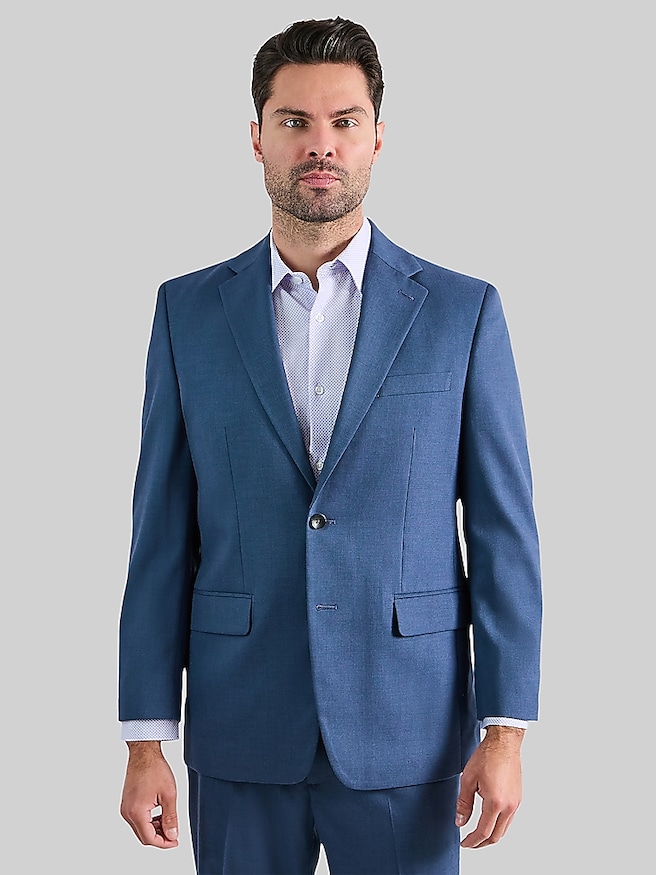
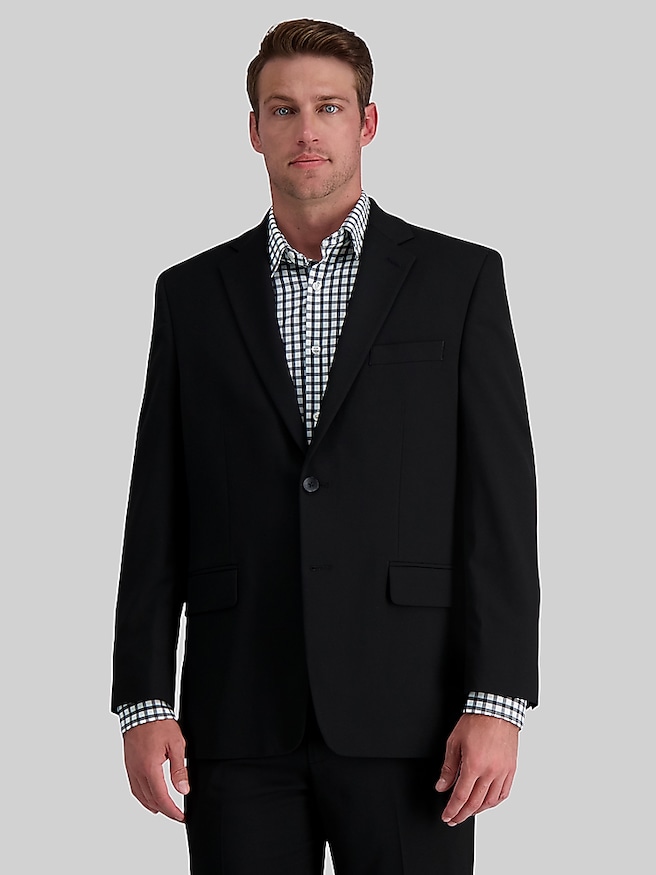
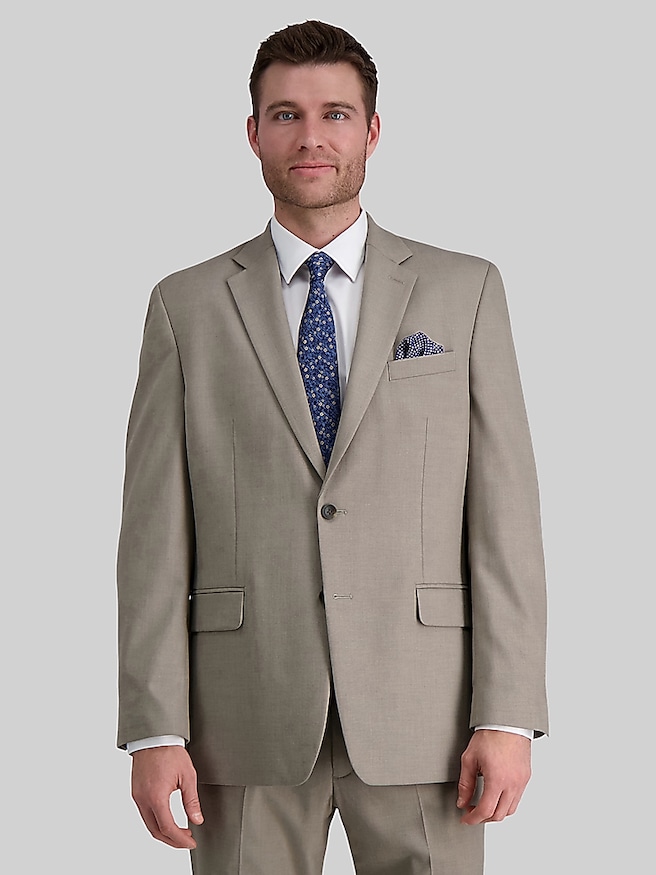
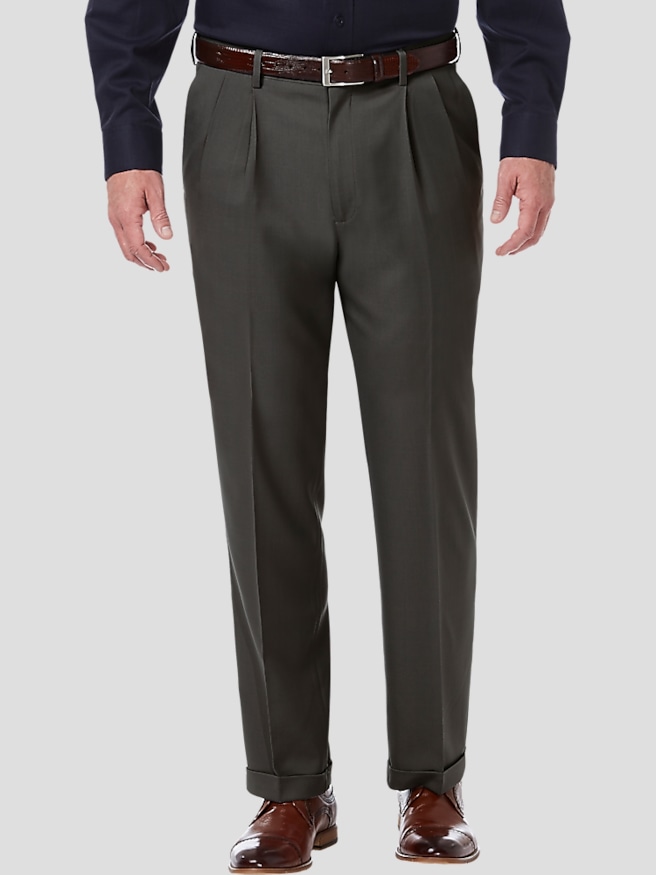
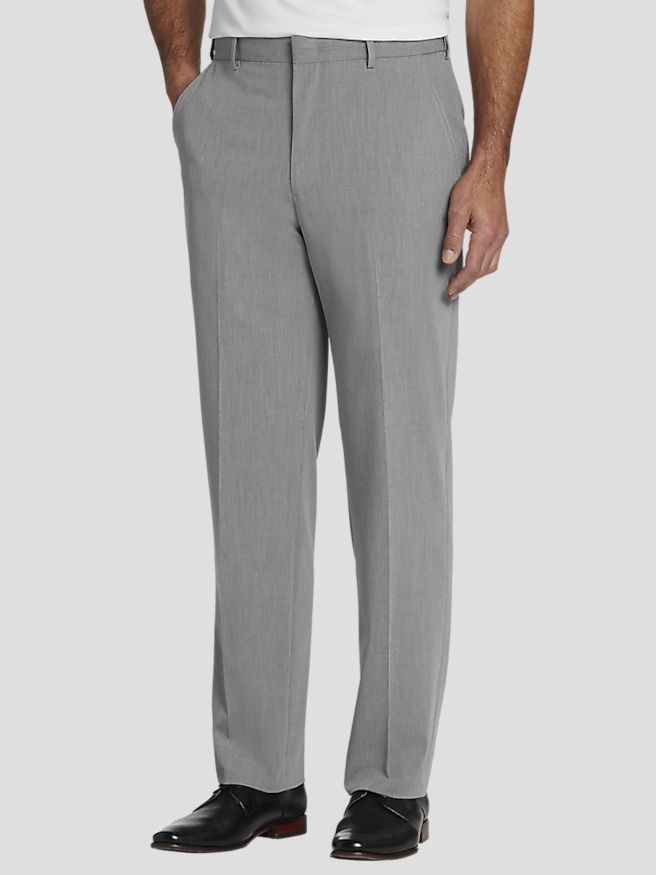
Gray office trousers are tailored pants in shades ranging from pale silver to deep charcoal, offering a neutral foundation for business casual outfits and more formal workplace dressing. Their appeal comes from how easily they work with familiar office colors: a white shirt looks crisp against medium gray, light blue softens charcoal, and pale pink adds color without dominating an outfit. Darker gray trousers also complement burgundy knitwear, navy jackets, and muted olive shirts, making them useful for workplaces where a full suit is unnecessary but a polished appearance still matters. The shade changes the impression. Light gray creates more contrast with dark shoes and jackets, medium gray balances easily with both lighter and deeper colors, and charcoal gives separates a more formal feel. Texture adds another distinction. A smooth finish looks clean and restrained across a conference table, while a subtle weave adds depth without the visual weight of a bold pattern. These are trousers for the employee moving between desk work and client meetings, the manager leading a presentation, or the recent graduate building a professional wardrobe. They can also carry an outfit beyond office hours, looking appropriate at a restaurant or a networking reception with a change of shirt or jacket. Black leather shoes create a sharp finish with charcoal; brown leather brings warmth to light and medium gray; burgundy offers a richer accent that still feels understated. A belt in a compatible leather color keeps the outfit cohesive. Gray trousers worn with a contrasting blazer create an intentional separates look, while a true matching suit requires the jacket and trousers to share the same fabric and color. That distinction matters under office lighting, where two nearly matching grays can reveal noticeably different undertones. A navy blazer, white shirt, and gray trousers avoid that problem while offering a familiar, professional combination. The result is a useful balance of structure and flexibility: polished enough for a scheduled meeting, yet easy to adapt when the dress code is less formal.
Fabric and fit determine how gray office trousers feel through the working day, not just how they look on a hanger. Wool can provide a smooth drape, breathability, and natural resistance to wrinkles, although its exact character depends on the weave, weight, and finish. Wool blends may combine that tailored appearance with other performance or care characteristics, while polyester blends can offer shape retention and resistance to creasing. Cotton twill has a more relaxed surface that suits many business casual settings, though it generally develops visible wrinkles more readily than some synthetic blends. A small amount of elastane can add give when sitting, walking, or reaching, but stretch does not replace a comfortable cut. A waistband that digs in during a long meeting is still too restrictive, even if the fabric flexes. A good fit lies smoothly at the waist, leaves room through the seat and thighs, and allows the pockets to stay relatively flat. Slim cuts create a closer line through the leg, straight cuts offer a more even silhouette, and roomier cuts provide additional ease without needing to look oversized. Rise also affects comfort: the distance between the crotch seam and waistband influences where the trousers sit and how they feel when seated. Flat fronts give a clean appearance, while pleats can add room through the upper leg and create a more flowing drape. Neither detail determines fit on its own. At the hem, little or no break produces a cleaner ankle line, while a slight break allows the fabric to rest gently on the shoe. Excess length can bunch over the laces and obscure an otherwise neat cut. Trying trousers with the shoes intended for work makes those proportions easier to judge. A few ordinary movements tell more than a motionless mirror check: sitting in a chair, climbing a step, and walking across a room reveal pulling, pocket flare, or tightness that may not be obvious while standing.
Durability in office trousers depends on fabric construction, a fit that avoids constant strain, and care suited to the material. Close, even stitching and neatly finished seams are useful construction details, especially around pockets and other areas that receive repeated use. Persistent pulling across the seat or thighs places extra stress on seams, while hems that drag can wear prematurely. Everyday habits matter, too. An overfilled wallet can distort a back pocket, and repeated friction from a desk chair can gradually affect the fabric’s surface. Rotating trousers between wears gives them time to air out and helps reduce concentrated wear on a single pair. The care label should determine whether washing, professional cleaning, or another treatment is appropriate; gray trousers that look similar can have very different requirements because of their fiber content and construction. For washable fabrics, the recommended cycle and drying method help preserve fit and finish. For pieces labeled dry clean only, home laundering can change the drape or dimensions. Hanging trousers neatly after wear helps limit unnecessary creasing, and prompt attention to small stains can prevent them from becoming harder to treat. Pressing should follow the fabric’s recommended heat setting, with a pressing cloth where appropriate to reduce the risk of shine. A defined crease can reinforce a tailored appearance, but a clean finish without a strong crease may better suit a relaxed office. For a wardrobe centered on Men's Gray Trousers, differences in shade, texture, and silhouette provide variety without requiring a completely new set of shirts and shoes. Someone dressing for a first professional role may value that flexibility as much as someone refining an established work wardrobe. As a graduation or new-job gift, trousers are most useful when the recipient’s measurements and preferred fit are known. Thoughtful proportions, practical fabric, and consistent care make gray office trousers a dependable part of getting dressed for work.