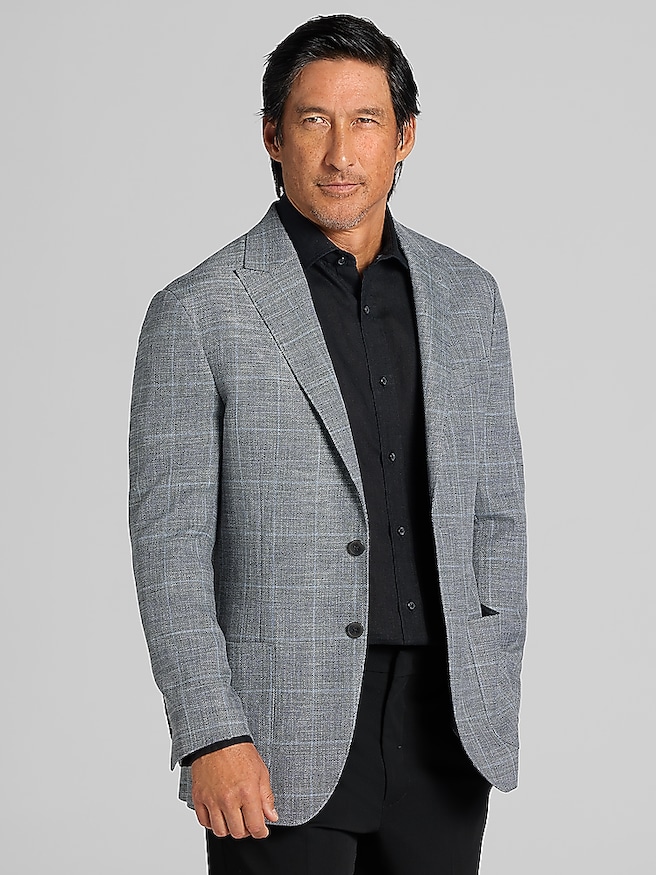
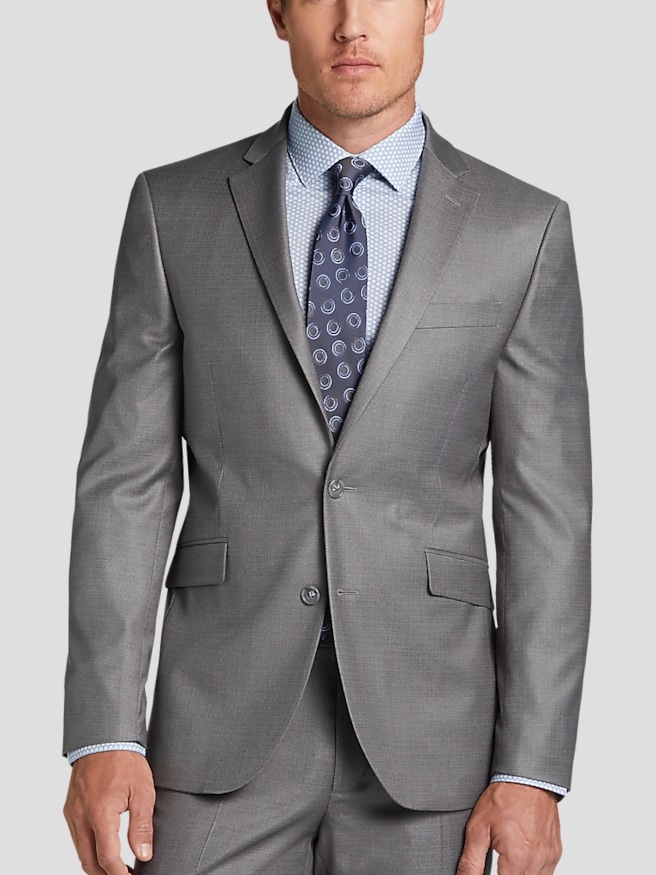
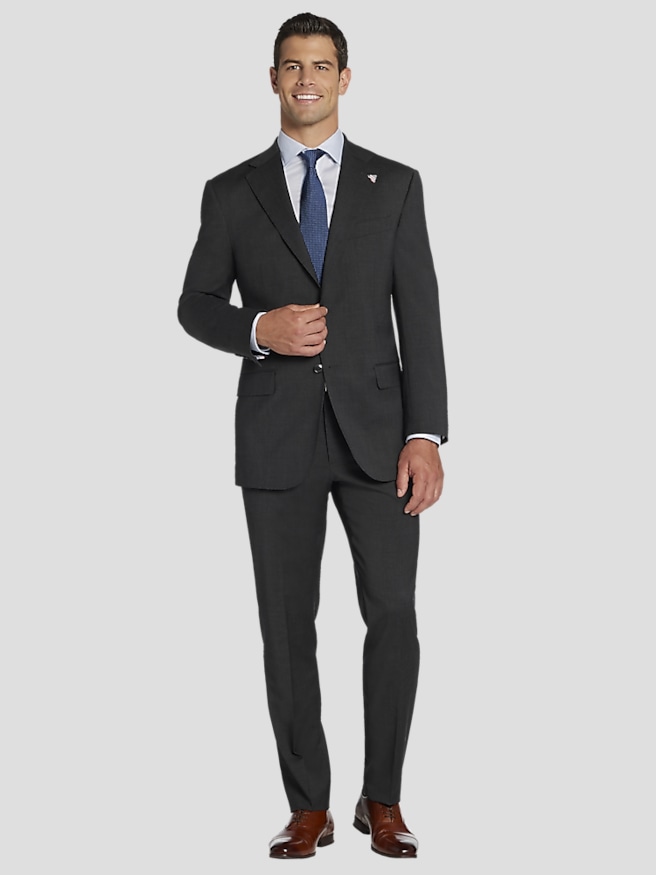
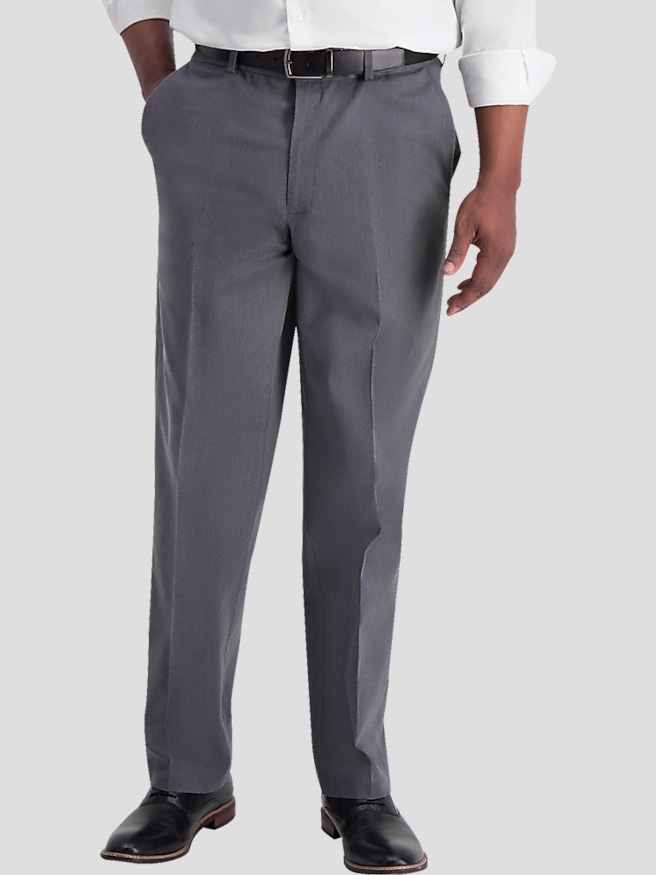
Grey dress coats are tailored outerwear designed to bring a polished finish to suits, dress shirts, fine-gauge sweaters, and other smart layers. The category includes classic wool overcoats, softer cashmere and cashmere-blend styles, and textured fabrics that give a neutral color added depth. Their appeal lies in the balance between practicality and presence: a coat can provide warmth during the cooler months while preserving the clean lines of the clothing beneath it. Grey also moves easily between occasions. A charcoal overcoat looks composed over a navy suit on the way to the office, while a lighter grey coat adds contrast to black trousers and a dark knit for dinner. Mid-grey sits comfortably between those two moods, with enough definition to complement pale shirts without feeling stark against deeper colors. Shade is only part of the effect. A smooth finish tends to look more formal, while herringbone, subtle checks, or a softly brushed surface can make the same silhouette feel more relaxed. Single-breasted fronts create an uncomplicated vertical line and work well with both business clothing and smart casual outfits. Double-breasted fronts have a more pronounced, structured appearance, with overlapping fabric across the chest. Notched lapels provide a familiar tailored finish; peak lapels bring a sharper visual emphasis to the shoulders and upper body. Length matters, too. A mid-thigh coat can be convenient for someone moving between a car and an office, provided it fully covers the jacket underneath. A knee-length overcoat offers more coverage and a traditional profile that suits longer walks and formal arrivals. Across the broader category of Men's Grey Coats, the qualities that distinguish a dress coat are its proportion, fabric, and ability to sit neatly over tailored clothing. That combination makes grey a useful choice for business settings, evening events, wedding attendance, and everyday routines that call for something more refined than casual outerwear.
Fabric and construction shape how a grey dress coat feels through a full day, from standing on a chilly train platform to carrying it over an arm indoors. Wool is valued for its insulating properties, breathability, and natural resilience, although warmth depends on fabric weight, weave, lining, and overall construction rather than fiber content alone. Densely woven wool often has a substantial drape that helps an overcoat maintain its outline. Cashmere contributes softness and insulation without necessarily adding much weight, while wool blends can combine structure with other qualities, depending on the fibers used. A small amount of synthetic fiber may improve abrasion resistance, but a blend label by itself does not establish durability or performance. Surface texture also influences daily use. A compact, smooth fabric creates a crisp impression, whereas a loftier brushed finish feels softer and may need closer attention to friction at cuffs, pocket openings, and shoulder straps. Inside, a smooth lining helps the coat slide over suit sleeves and knitwear instead of catching on them. Fit should account for those layers. A dress coat that looks close-fitting over a shirt may pull across the upper back once a suit jacket is added. The shoulder line should sit cleanly, the collar should rest near the neck without a conspicuous gap, and the front should fasten without strained buttons or radiating creases. There should be enough room to reach forward, sit down, and carry a bag without the entire coat lifting or binding. Sleeves need to cover the jacket sleeves beneath them while leaving the hands free. A slim silhouette follows the body more closely, while a roomier cut accommodates thicker layers and greater ease of movement; neither should look stretched or shapeless. Back vents can support a comfortable stride, especially in longer cuts. Secure buttons, tidy seams, and well-finished pocket openings are useful details to examine because these areas experience repeated handling during regular wear.
The most useful grey dress coat feels connected to the wardrobe it will accompany. Charcoal works especially well with black footwear, dark trousers, and crisp white shirts, creating a quiet backdrop for a navy or burgundy scarf. Light grey brings separation to an otherwise dark outfit and can highlight the texture of a black turtleneck or a deep blue suit. Medium grey pairs naturally with brown leather accessories and muted earth tones, making it easy to move from a workday to a relaxed evening without changing outerwear. For formal occasions, restrained accessories and a clean silhouette generally keep the overall appearance cohesive. For less formal plans, a textured scarf or an open collar can soften the impression without making the coat look out of place. Daily habits deserve equal consideration. Someone who walks several blocks outdoors may appreciate extra length and room for a scarf, while frequent drivers may prefer a cut that feels comfortable when seated. Wool dress coats can handle some light moisture, but they should not be assumed to provide the protection of waterproof outerwear in steady rain or wet snow. Care helps preserve both appearance and service life. The care label should determine cleaning methods, and professional cleaning may be necessary for tailored wool and cashmere garments. Between cleanings, gentle brushing with a suitable clothing brush can lift surface dust before it settles into the fabric. A broad, supportive hanger helps protect the shoulders, and emptying the pockets prevents unnecessary stretching. A damp coat should dry naturally in a ventilated space away from direct heat before being stored. Allowing time to air between wears can also help it stay fresh without excessive cleaning. Pilling, when it occurs, calls for a method appropriate to the fabric rather than aggressive pulling or scraping. As a gift, a grey dress coat can mark a graduation, a new professional role, or another milestone, particularly when the recipient's measurements, layering preferences, and usual dress are known. Thoughtful attention to those everyday details makes the coat more than an occasion piece: it becomes a dependable outer layer for looking put together whenever the weather calls for added warmth.