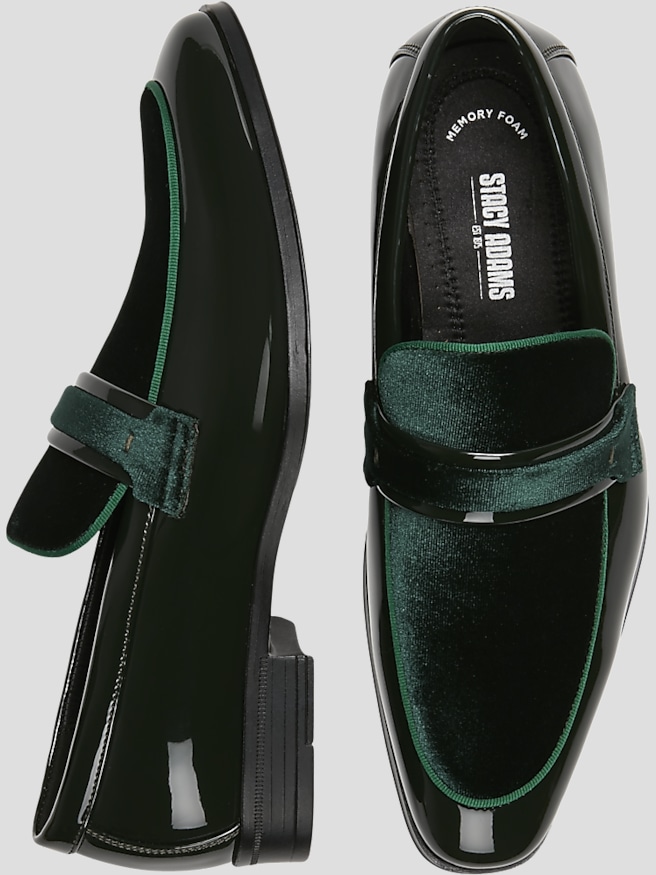
Green men's shoes bring color to an outfit without requiring the rest of it to be bold. The shade makes a noticeable difference: deep forest green can feel almost as understated as navy, olive has an earthy character, and brighter greens put the footwear firmly in focus. That range gives green a place in casual outfits, polished office attire, and combinations for dinners, celebrations, or creative workplaces. Dark green leather beneath charcoal trousers adds depth without creating a sharp contrast, while a muted green casual shoe works naturally with dark denim and a white button-down shirt. With tan chinos, green picks up the warmth of the fabric; with gray, it becomes a more distinct accent. The subdued tones associated with Men's Olive Green Shoes are particularly easy to pair with brown leather accessories, cream knitwear, and navy layers. Matching every accessory to the shoes is unnecessary. A belt that complements the overall outfit and socks that connect the trousers to the footwear usually create a more relaxed, considered appearance. Shape matters just as much as color. A streamlined lace-up reads differently from a substantial casual sneaker, even when both share a similar shade of green. Loafers offer another expression, with an open ankle and a less structured look that suits tailored pants as well as casual trousers. For an office presentation followed by dinner, a restrained silhouette and darker shade can carry the outfit between settings. For a weekend gathering, a textured upper or contrasting sole can make the same color feel more informal. Green footwear also gives someone who usually wears black or brown shoes a manageable way to introduce variety. The strongest combinations let the shoes contribute to the outfit rather than compete with several other bright accents, and the appropriate level of formality still depends on the setting and its dress expectations.
Materials influence how green men's shoes look, feel, and hold up to repeated wear. Smooth leather can give the color a rich, even appearance, with a surface that ranges from softly matte to polished. Suede scatters light through its nap, so a green shade may appear deeper or lighter as the shoe moves. That texture adds dimension beside denim, brushed cotton, or wool trousers without needing decorative details. Canvas and other woven uppers generally create a more casual impression, while synthetic materials vary considerably in flexibility, breathability, and finish. Material names alone do not determine comfort or durability; lining, stitching, sole construction, and the shape of the shoe all play a part. A soft interior can reduce friction, a secure heel helps limit slipping, and sufficient room across the forefoot allows the toes to rest naturally rather than press together. Length is only one part of sizing. Two shoes with the same marked size can fit differently because of their width, toe shape, or internal volume. Someone with a broad forefoot may need more space across the ball of the foot, while a narrower heel may benefit from an adjustable lace closure. Socks matter, too: the thickness worn with dress trousers can change the fit compared with a cushioned athletic sock. For days that include a commute, standing conversations, and several blocks of walking, cushioning and a flexible forefoot can be as important as appearance. For a seated occasion with a more polished dress expectation, a sleek profile may take greater priority, though it should still feel comfortable. Slight leather creasing with movement is normal; sharp pressure at the toes or persistent heel rubbing is not a useful starting point. Durability also depends on how the shoes will be used. Reinforced areas, well-finished seams, and an outsole suited to the surfaces encountered can help footwear withstand regular wear. A substantial sole may suit frequent walking, while a lighter, slimmer construction can feel less bulky with tailored clothing.
Care helps preserve both the green color and the character of the material. On smooth leather, surface dust and everyday marks are generally easier to manage before they build up, using a soft cloth and products appropriate for the finish. Any cleaner, conditioner, or polish deserves a discreet spot test, especially when the shade is unusual or the surface has a special treatment. A green polish that is too dark or too bright can alter the appearance rather than simply refresh it; even neutral formulas can affect certain finishes. Suede needs a different approach, with a suitable brush helping lift the nap and remove dry surface debris without saturating the material. Woven uppers also benefit from care matched to their construction, since the upper, lining, and adhesives may not all tolerate the same cleaning method. Manufacturer care directions are the best reference for those distinctions. Storage makes a difference between wears: shoes kept away from prolonged direct light and allowed to air out are less likely to develop avoidable discoloration or lingering odors. Appropriate shoe trees can help leather footwear retain its shape, while loosening the closure before taking shoes off reduces unnecessary strain at the heel. Rotating footwear gives interiors time to dry naturally and spreads wear across more than one pair. These practical details matter whether green shoes are an occasional accent or part of a regular wardrobe. They can also make a thoughtful gift for someone who enjoys personalizing familiar outfits—a father who favors navy trousers, a partner who wears mostly neutrals, or a friend who appreciates an unexpected color. Knowing the recipient's usual size, preferred fit, and everyday dress habits is more useful than choosing by color alone. A dark, understated green may suit someone who values versatility, while a brighter shade can appeal to someone comfortable making footwear the focal point. The lasting appeal comes from that balance of personality and usefulness: a color with enough distinction to feel intentional, paired with materials, construction, and comfort that make sense for the person wearing it.