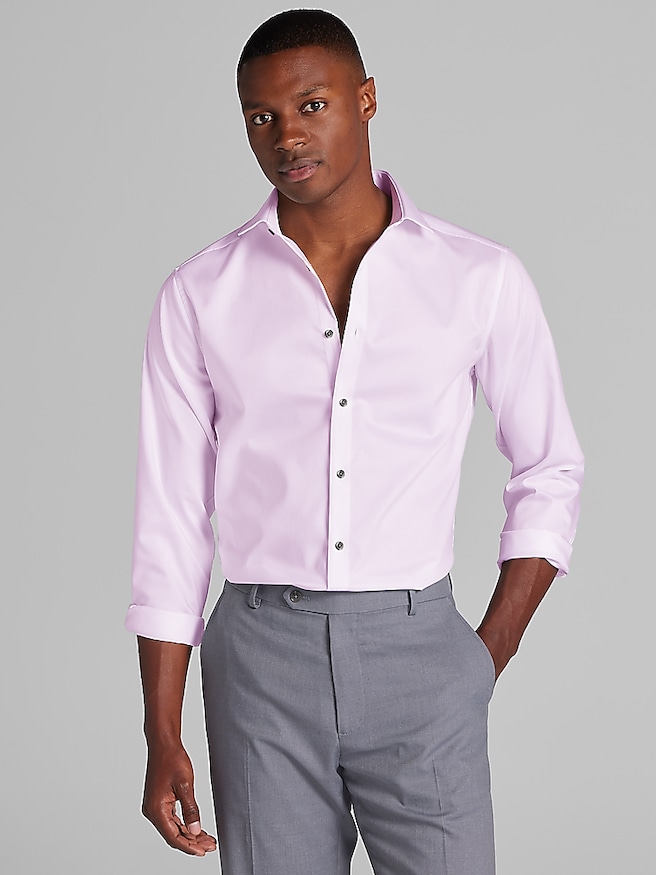
Green men’s clothing brings color to everyday and dressed-up wardrobes without requiring bold patterns or complicated combinations. The range runs from soft sage and muted olive to moss, forest, and deep emerald, with each shade creating a distinct impression. Olive has an earthy, understated character that works naturally with denim, khaki, and brown leather. Sage offers a softer contrast against white, cream, and light gray, while forest green looks rich alongside navy, charcoal, and black. Emerald is more expressive, particularly in smooth fabrics that catch the light. Across shirts, polos, sweaters, pants, sport coats, and tailored clothing, green can act as either a quiet foundation or the main point of interest. A muted green shirt with charcoal trousers feels appropriate for many business-casual workplaces; a deeper green jacket over a white shirt creates a sharper impression for dinner or a celebration. For relaxed settings, an olive knit top with dark denim keeps the outfit grounded without looking plain. The easiest combinations usually give one green piece room to stand out, then repeat neutral colors elsewhere. White adds crisp contrast, cream softens the effect, and brown brings out the warmth in yellow-based greens. Black and navy tend to emphasize the depth of darker shades. Color names are useful starting points, but undertones matter: one olive may lean brown, while another appears grayer, and sage can range from silvery to slightly yellow. Texture also changes how the color reads. A washed cotton surface looks more relaxed than a smooth woven fabric in a similar shade, and a subtle knit pattern adds depth without introducing another color. For anyone accustomed to a wardrobe built around blue, gray, and tan, green provides a practical next step because it works with many of the same shoes, belts, and layers. Its versatility makes it suitable for office routines, casual gatherings, date nights, and celebrations where the dress code allows some personal expression.
Fabric and construction determine how green clothing feels, drapes, and holds up through repeated wear. Cotton is a familiar choice for shirts and casual pants because of its soft feel and generally breathable structure, although the weight and weave make a noticeable difference. Cotton twill has a diagonal texture and enough body for a clean trouser shape, while a finer shirting fabric can sit neatly beneath a jacket. Oxford cloth gives a button-front shirt a more textured, easygoing appearance. Linen has a distinctive slub and relaxed drape, with natural creasing that belongs to its character rather than signaling poor care. Wool can provide fluid drape in tailored pieces and resilient structure in knitwear; its finish may be smooth and refined or more visibly textured. Blends can combine these qualities with added stretch, improved shape recovery, or easier maintenance, depending on their composition. A small amount of elastane may make fitted pants more comfortable when sitting, but stretch does not replace a well-proportioned cut. Across fabrics, fit should allow normal movement without pulling at closures or leaving excess material where a clean line is intended. A shirt collar should sit comfortably when fastened, shoulder seams should generally align with the shoulders on traditionally cut styles, and the front should remain smooth rather than gap across the chest. Pants should sit securely at the waist without relying on a tightly cinched belt, with room through the seat and thighs for walking and sitting. Slim cuts follow the body more closely, straight cuts create a consistent line, and relaxed cuts allow additional ease. None is automatically more polished; the relationship between the garment and the wearer matters more than the label. Jacket sleeves, trouser length, and shirt hems also affect the overall balance. A hem designed to be tucked in serves a different purpose from a shorter casual hem. Even stitching, tidy buttonholes, secure buttons, and smoothly finished seams are useful signs of careful construction, especially in clothing intended for frequent rotation.
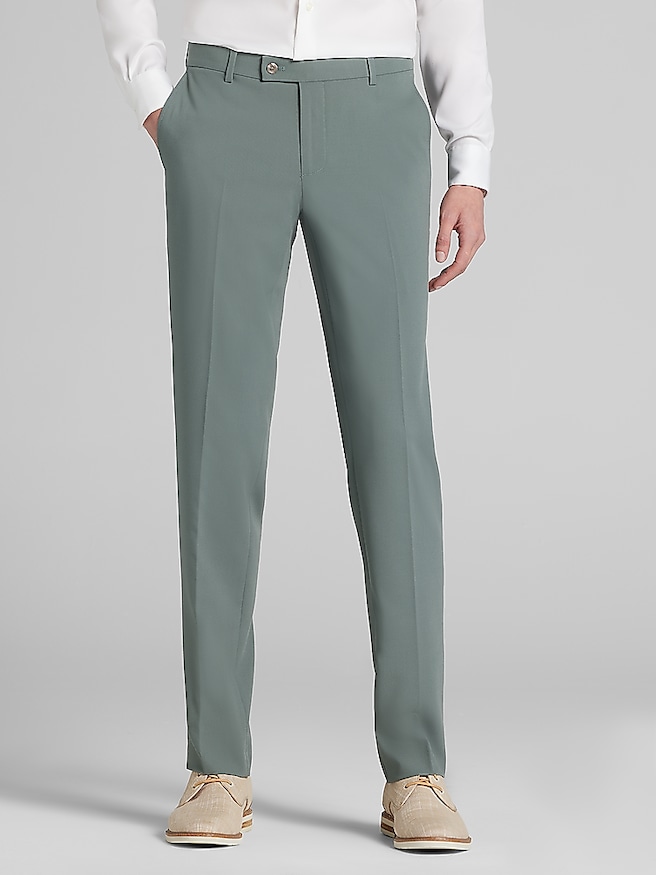
Green separates are particularly useful when their intended role is clear. For pants that can anchor several outfits, Men's Green Pants provide a color direction that works with both simple tops and more structured layers. Olive trousers paired with a pale blue shirt and brown loafers suit many offices, while a dark green pair with a cream knit and clean leather sneakers feels more relaxed. A forest green sport coat can bring distinction to gray trousers without requiring matching pieces. For weddings, dinners, and other dressed-up occasions, the invitation and venue should set the level of formality; color alone does not make a garment formal. Smooth fabrics, precise fit, and restrained accessories generally create a dressier impression than washed finishes, pronounced texture, or loose silhouettes. When combining multiple green pieces, a visible contrast in shade or texture often looks more deliberate than a near match. Keeping the shirt and accessories neutral helps the distinction feel intentional. Care is equally important to maintaining that appearance. Follow each garment’s care label, since similar-looking fabrics may require different treatment. For machine-washable pieces, washing with similar colors, turning garments inside out, and using the recommended water temperature can help limit surface wear and color loss. Avoid unnecessary high heat, which can contribute to shrinkage or affect stretch fibers. Knitwear often keeps its shape best when folded rather than suspended from shoulder hangers, while tailored jackets benefit from shaped hangers and enough closet space to avoid crushing. Address stains promptly using a method appropriate to the fabric, and test unfamiliar treatments in an inconspicuous spot. Green clothing can also make a thoughtful gift for someone who already wears earth tones or enjoys understated color. A familiar garment category, a known size, and a shade that complements the recipient’s existing wardrobe make the choice more personal. Whether chosen for daily use or a particular occasion, the most useful green pieces combine an appealing shade with comfortable proportions, suitable fabric, and care requirements that fit naturally into everyday life.