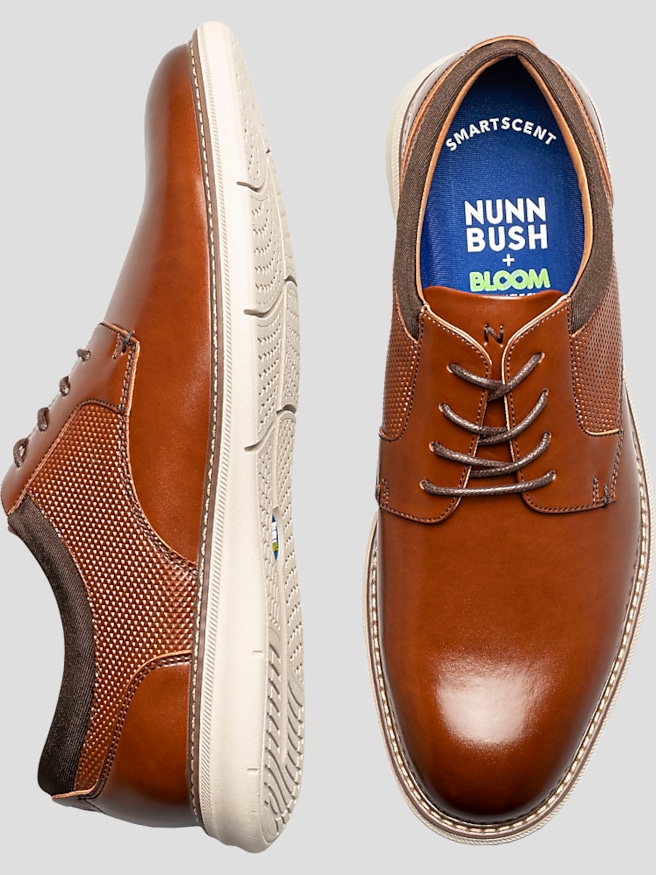
Choosing shoes for a gray suit starts with recognizing how versatile the suit itself can be. Gray ranges from pale, airy shades that feel relaxed in daylight to deep charcoal tones that carry the authority of traditional business tailoring, and each one creates a slightly different foundation for footwear. Black dress shoes remain the most formal and dependable pairing, especially with a charcoal suit, crisp white shirt, and appointments that call for a polished appearance. Brown shoes bring warmth and personality to medium or light gray, with darker brown offering a refined balance and lighter brown creating a more relaxed look for daytime gatherings, celebrations, and less formal offices. Burgundy and oxblood tones can add understated richness without overpowering the suit, while gray footwear creates a tonal outfit that feels modern and considered. For a more casual interpretation, explore Men's Gray Casual Dress Shoes, which can work especially well with lighter gray tailoring, knit shirts, fine-gauge sweaters, or an unstructured jacket. The most important consideration is harmony: the shoes should complement the suit’s color and level of formality rather than compete with it. A sleek, closely shaped silhouette typically suits a formal gray suit, while a roomier profile, textured finish, or more flexible sole can make the same color family feel at home in a business-casual wardrobe. When comparing options, pay attention to the shape of the toe, the height and finish of the heel, the quality of the construction, and the way the upper bends across the foot. A well-fitting shoe should feel secure at the heel, leave comfortable room around the toes, and support a natural stride from the ceremony, conference room, or dinner table through the end of the evening.
The setting should guide both color and construction. A gray suit worn for a wedding or evening reception generally benefits from a clean, polished shoe with minimal decoration, particularly when paired with a dress shirt, neatly folded pocket square, and a traditional tie. For office wear, a classic lace-up style in black or dark brown offers the flexibility to move between presentations and after-work plans without looking overly formal. Loafers and other slip-on silhouettes can soften the structure of a gray suit, making them useful for daytime events, warm-weather celebrations, and offices with a more relaxed dress code. As the weather turns cooler, leather uppers and sturdier soles can provide a practical sense of substance, while still looking sharp beneath tailored trousers. During milder stretches, lighter finishes and breathable construction can keep the outfit from feeling heavy. Consider the surface of the shoe as carefully as its color: smooth leather has a clean, formal character; subtle texture adds depth; and suede or brushed finishes lend an easygoing quality that pairs naturally with casual tailoring. Coordinating accessories can bring the entire outfit into focus. A belt in a closely related shade helps connect the shoes to the rest of the look, while socks offer room for a restrained pattern or a complementary color. The trouser break matters as well. A clean, slight break keeps the line from the knee to the shoe uninterrupted, while a shorter hem can highlight a loafer or streamlined low-profile style. These details are especially useful when assembling a wardrobe for a new job, refreshing formalwear for upcoming events, or giving a practical gift to someone who wears suits regularly. A thoughtfully chosen pair of shoes is useful beyond one occasion: it can support interviews, family celebrations, dinners, presentations, and the many moments when dressing well makes the day feel a little more intentional.
Comfort and care are just as important as appearance, particularly when shoes will be worn through long ceremonies, travel days, or hours on a hard office floor. Try footwear with the socks typically worn with a suit, since even a small difference in thickness can affect the fit. New shoes should be eased into rotation with shorter periods of wear before an important event, allowing the material to flex and revealing any pressure points while there is still time to adjust. A supportive insole, cushioned lining, or flexible outsole may make a noticeable difference for someone who spends much of the day standing. Look for soles with enough traction for polished indoor floors and damp sidewalks during the cooler months, while avoiding an overly rugged profile that can make tailored trousers look out of proportion. Store dress shoes away from direct heat and moisture, use shoe trees when available to help preserve their shape, and brush away surface dust after wear. Smooth leather benefits from occasional conditioning and polishing, with attention paid to maintaining a natural finish rather than creating a heavy, waxy surface. Suede and textured materials call for their own appropriate brush and protective treatment. Before choosing a pair, consider how often it will be worn, which gray suits are already in the closet, and whether the goal is one versatile foundation or a more distinctive addition. The best choice is one that feels comfortable from the first step, suits the occasion with quiet confidence, and continues to look at home as the wardrobe moves from brighter days into cooler-season dressing.