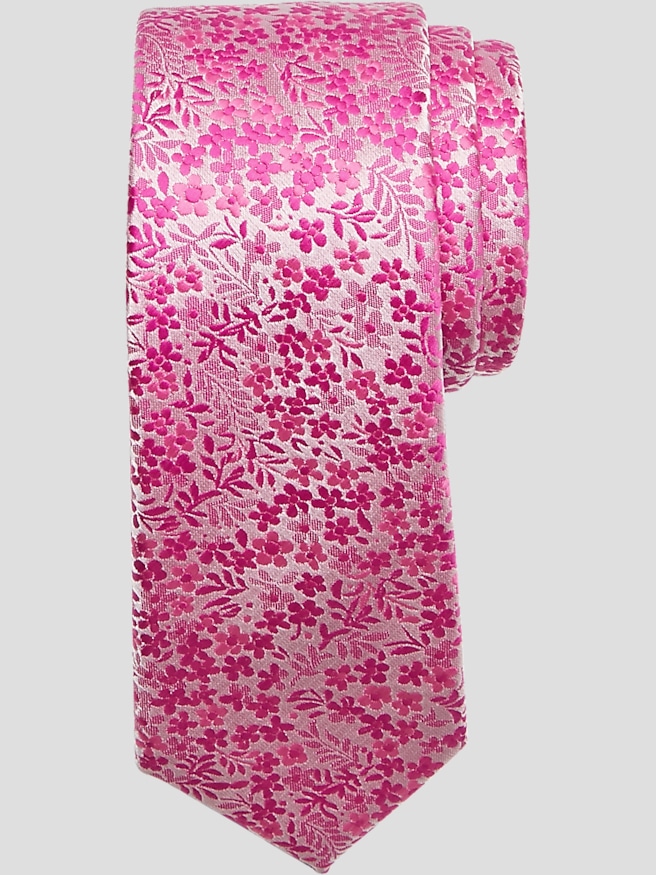
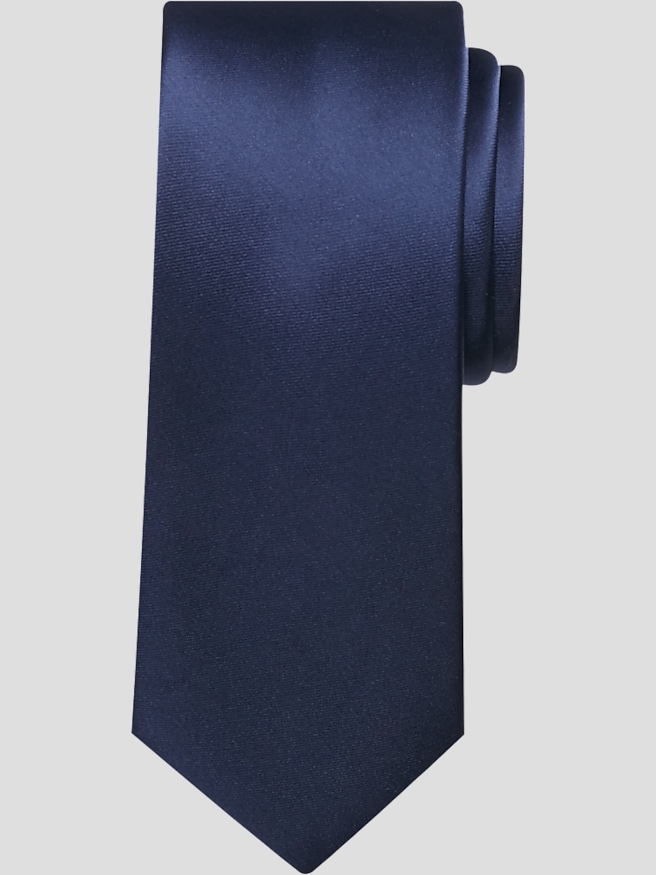
Graphic ties bring personality to one of the most traditional pieces in a man’s wardrobe. Defined by a printed, woven, or embroidered design, they can feature abstract artwork, geometric shapes, celestial details, novelty icons, seasonal motifs, or subtle patterns that reveal themselves at closer range. Unlike a solid tie, a graphic style gives an outfit a focal point, making it an easy way to show personal taste without changing the rest of a familiar wardrobe. A classic suit in navy, charcoal, or medium gray provides a clean background for a more expressive design, while a graphic tie can also add polish to a sport coat, dress shirt, and tailored trousers. For an understated look, choose a smaller-scale pattern, muted colors, or a design with plenty of negative space. Larger graphics and high-contrast color combinations make a stronger statement and suit creative offices, celebrations, themed gatherings, and smart-casual events where traditional accessories can feel too restrained. Printed designs often have a crisp, illustrative appearance, while woven patterns tend to offer texture and a more integrated finish. Embroidered details can add dimension and interest, especially when the motif is meant to be noticed from close up. During the cooler months, a graphic tie can bring welcome color to darker suiting and heavier fabrics, pairing naturally with wool jackets, textured trousers, or layered dress shirts. As the weather shifts between indoor gatherings and outdoor occasions, this small accessory remains a practical way to adjust an outfit without replacing an entire wardrobe.
When selecting a graphic tie, begin with the shirt and suit colors you wear most often. A design that includes navy, burgundy, forest green, gray, cream, or another dependable shade will be easier to coordinate across multiple outfits. A white or pale blue shirt is especially versatile because it allows the tie’s artwork to stand out clearly, while a deeper shirt can create a more tonal, modern effect when the tie includes related shades. Pattern scale matters as well. If the shirt has stripes, checks, or another visible pattern, look for a graphic tie with a different scale and a simpler structure so the combination feels intentional rather than crowded. With a patterned shirt, one dominant motif and two or three supporting colors usually create the most balanced result. Solid shirts offer greater freedom for bold illustrations, pop culture-inspired imagery, and abstract designs. Consider proportion when tying and wearing the accessory: a standard-width tie complements most contemporary suits, while a narrower silhouette can feel more fashion-forward with a trimmer jacket. The finished knot should suit the collar, with a four-in-hand offering a relaxed shape and a half-Windsor giving a fuller, more symmetrical appearance. Let the tie reach the middle of the waistband or belt area, and keep the front blade centered for a polished finish. Quality construction also affects how a graphic design looks when worn. Smooth silk can make colors appear sharp and formal, while textured materials create a softer, more seasonal impression. A balanced lining and well-formed tip help the tie hang neatly, and careful storage—loosely rolled or hung rather than tightly knotted—can help preserve its shape between wears.
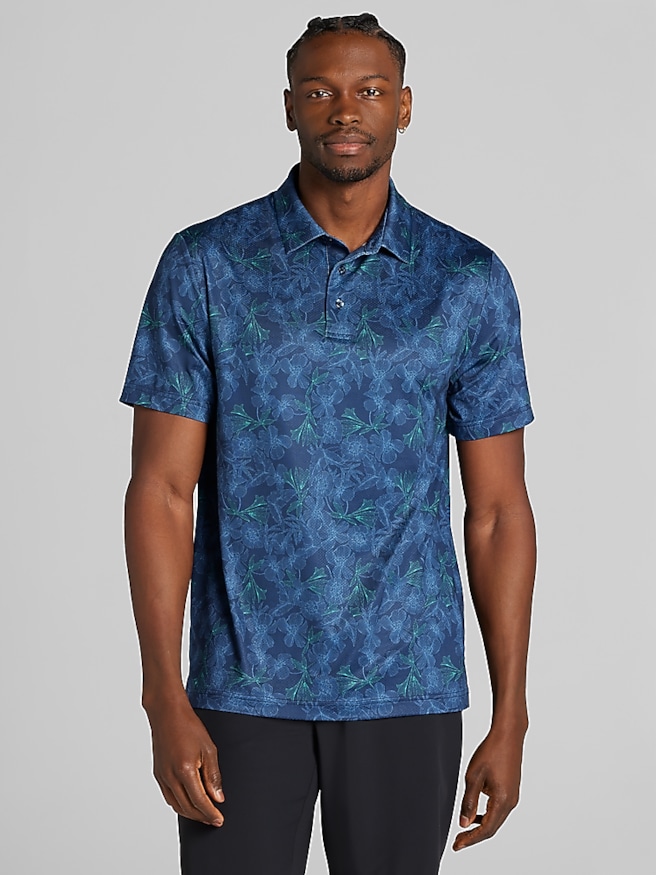
Graphic ties make thoughtful gifts for men who enjoy clothing with a story, a favorite interest, or a touch of humor. They are especially useful for a graduate beginning a professional wardrobe, a colleague celebrating a promotion, a family member who enjoys themed accessories, or someone preparing for a wedding, holiday gathering, office party, or special dinner. A design connected to astronomy, music, travel, sports, art, animals, or another personal interest can feel more considered than a generic accessory, while a refined geometric or abstract pattern works well when the recipient’s style is less predictable. For a gift, think about how the tie will be used rather than choosing only the most eye-catching design. A recipient who wears suits regularly may appreciate a polished pattern that can move from the workplace to an evening event. Someone with a more relaxed wardrobe may get greater use from a tie that works with an unstructured blazer, open-collar shirt, or tailored knitwear. Graphic ties can also coordinate with other expressive clothing without matching exactly. For a more casual visual theme, accessories and apparel such as Graphic Polos can carry the same sense of individuality in settings where a necktie is not needed. The key is to let one piece lead: pair a detailed tie with simpler accessories, choose solid pocket squares or understated socks, and keep jewelry and lapel details from competing with the design. Worn this way, a graphic tie becomes more than a novelty accent. It is a conversation starter at a family celebration, a memorable finishing touch for a dinner outfit, and a practical expression of character that can make familiar tailoring feel distinctly personal.