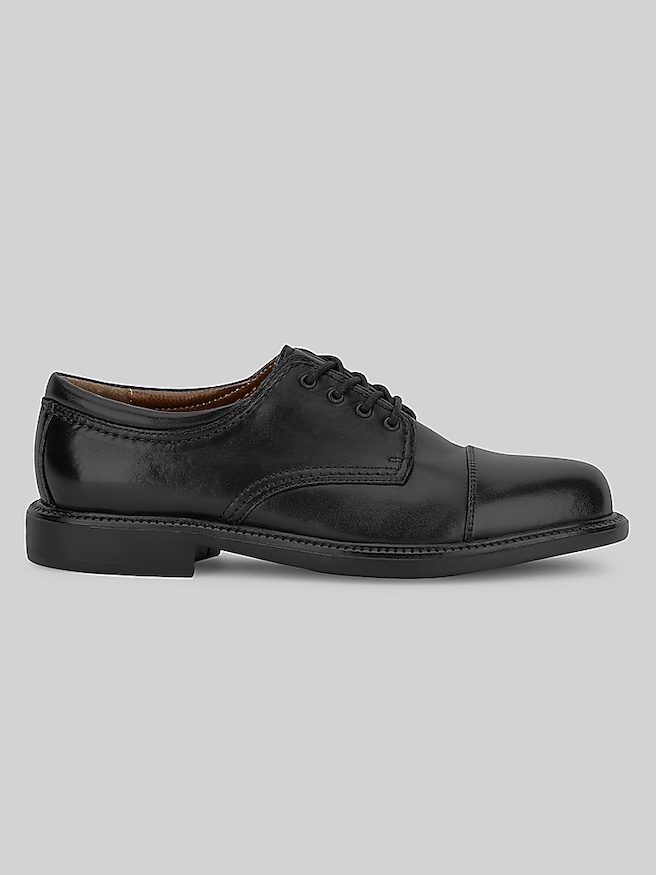
A thoughtful gift often earns its place in an everyday routine rather than waiting for a special occasion. Clothing accessories and finishing touches can add personality to a familiar outfit, bring a little polish to a workday, or make getting dressed feel more considered. Their appeal is often in the details: a pleasing texture, a color that works with favorite clothes, or a subtle pattern that feels like something the recipient would choose himself. For a dad, brother, partner, friend, or colleague, that connection to personal style can make a modest gesture feel genuinely attentive. Someone who spends most weekdays in tailored clothing may appreciate an understated accent that looks at home with a crisp collar and a structured jacket. Someone with a more relaxed wardrobe may get more use from soft textures and simple designs that sit comfortably alongside everyday layers. The distinction matters more than whether a gift looks impressive in its packaging. Useful gifts tend to suit the life a person actually leads, from a commute and a desk job to dinners out, family gatherings, and milestone celebrations. Color offers a straightforward way to make that connection. Navy, charcoal, and other muted shades generally blend easily with an established wardrobe, while a deeper accent color can echo a shade the recipient already enjoys wearing. Patterns have a similar effect: a small, restrained motif usually draws less attention than a large, high-contrast design. Neither approach is inherently better; the more personal choice reflects the recipient’s habits. A person who repeats a few favorite combinations may appreciate versatility, while someone who enjoys dressing for an occasion may welcome a more expressive detail. Even when a gift is meant as a simple thank-you or congratulations, this attention to how it will be worn gives it a purpose beyond the moment it is opened. It feels less like a guess and more like a small recognition of someone’s everyday preferences.
Materials shape that experience long after the wrapping is gone. Cotton often has a soft, familiar feel and can be comfortable against the skin, though its tendency to wrinkle and its care requirements depend on the fabric and construction. Polyester is commonly used for shape retention and straightforward care, while blends can balance softness, resilience, and a smoother appearance. Wool can offer natural elasticity and texture, but washing and drying instructions deserve attention because unsuitable care may alter its size or feel. Silk has a distinctive sheen and fluid hand, with a delicate surface that benefits from careful handling. Fiber content alone does not tell the whole story. A tightly woven fabric may feel smooth and substantial, while an open knit can have more give and a softer drape. Thickness also changes how an accessory works with the rest of an outfit: something bulky may interrupt a clean line, while a finer construction can sit more discreetly against other clothing. Well-finished edges, even stitching, and neatly secured details contribute to durability without needing to draw attention to themselves. On frequently handled accessories, those quiet construction choices can matter as much as the initial appearance. A smooth surface should not have loose threads catching the light, and a finished edge should lie neatly rather than twist or pucker. Care is another part of everyday usefulness. A recipient who keeps laundry simple may find an easy-care fabric more convenient than one requiring special treatment, provided the label confirms how it should be cleaned. Gentle handling, appropriate drying, and storage away from rough surfaces can help preserve texture and shape. Friction from fasteners or other clothing can cause snags, particularly in finer fabrics. Following the care label remains more reliable than assuming that similar-looking materials can all be washed alike. These practical details influence whether a gift remains a regular part of a wardrobe or becomes something handled only occasionally, and they help explain why feel, construction, and maintenance belong together when considering lasting usefulness.
Fit and proportion bring those material details into focus. Some accessories allow more flexibility than fitted clothing, but dimensions still affect comfort and appearance. A piece worn close to the body should feel secure without digging in, and stretch should provide ease without leaving the fabric strained. Where sizing applies, the recipient’s usual measurements are a better reference than a general impression of build. For finishing touches worn with tailored clothing, scale matters as well: a detail that complements the surrounding proportions will usually look more natural than one that dominates them. The same principle applies to texture and pattern. A richly textured accent can give a plain outfit some depth, while a smoother, quieter finish can balance clothing that already has visual interest. These relationships make accessories especially personal gifts, even when the overall look is simple. Picture someone getting ready for an important dinner, making one final adjustment in the mirror, and reaching for a familiar detail that brings the outfit together. Or consider the friend who prefers an uncomplicated morning routine and appreciates something comfortable enough to use repeatedly without a second thought. Both situations call for usefulness, but they express it differently. Birthdays, graduation celebrations, a new job, and a quiet thank-you can all suit this kind of gesture without requiring a formal presentation. A short handwritten message can explain the connection, whether the color recalls a favorite outfit or the style suits an upcoming celebration. For an occasion focused specifically on Dad, Father's Day Gifts Under 100 Dollars provides another place to continue browsing with his preferences in mind. The strongest choice still begins with the recipient rather than a dress-code ideal. A gift does not need to change someone’s style to feel meaningful. Sometimes its value lies in fitting naturally into what he already wears, adding comfort or character to an ordinary day, and becoming familiar enough that reaching for it feels effortless.