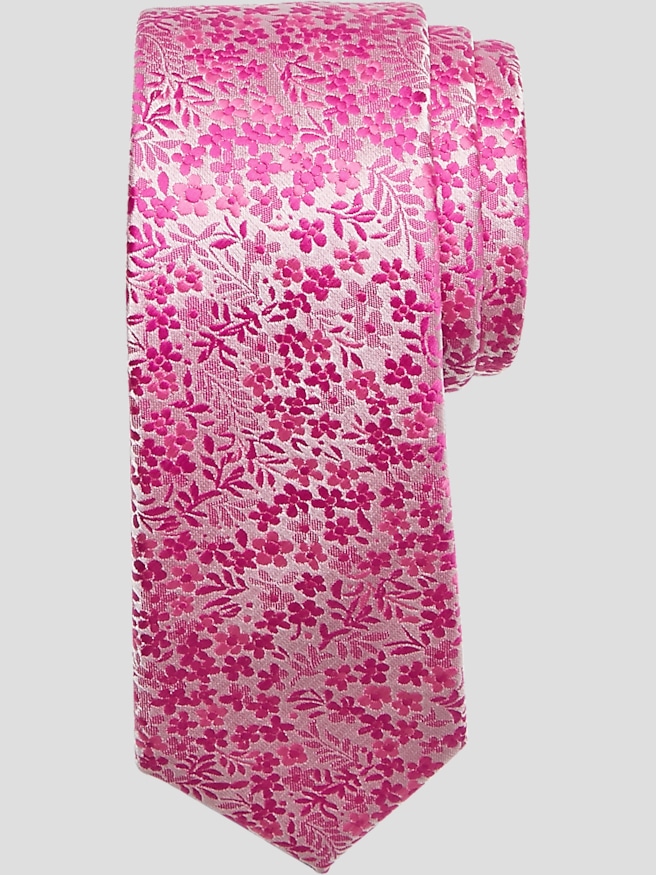
Last-minute Christmas gifts for men feel thoughtful when they combine everyday usefulness, comfortable materials, and details that suit the recipient’s routine. Clothing and accessories have a personal quality without needing to be elaborate: a familiar color, a soft texture, or a subtle pattern can show that someone’s taste has been noticed. For a dad who dresses neatly even on casual days, that might mean understated styling that works with the clothes he already wears. For a brother starting a new job, it might mean a polished finishing touch that feels appropriate at the office without looking overly formal. A partner who gravitates toward relaxed outfits may appreciate comfort and easy layering more than decorative details. These distinctions give practical gifts their character. The most useful additions to a wardrobe often move easily between settings, looking natural at a Christmas gathering, a family dinner, and an ordinary day afterward. Deep blue, charcoal, brown, and other versatile shades tend to work with a broad range of outfits, while richer colors or small-scale patterns can reflect a more expressive style. Texture offers another way to make a familiar look feel special, particularly for someone who prefers quiet details over bold designs. A smooth finish reads differently from a softly brushed surface or a dimensional knit, even when the color is similar. That makes the feel of a gift just as meaningful as its appearance. When the decision comes close to Christmas, a clear connection to the recipient’s habits helps keep the choice personal rather than hurried. The detail that matters may be as simple as a comfortable neckline, a pattern that echoes a favorite outfit, or a finish that complements the accessories he wears every day. Gifts grounded in those observations can become part of a regular rotation instead of being reserved for a single occasion.
Materials influence how a clothing gift feels, how it drapes, and how much attention it needs between wears. Cotton is often appreciated for its breathable feel and familiar softness, although its weight and construction can make it feel crisp, substantial, or relaxed. Wool can provide warmth and a refined surface, with texture varying according to the fiber and knit or weave. Blended fabrics may bring together softness, shape retention, stretch, or easier care, depending on their composition. Those qualities matter most when they match the way the recipient actually lives. Someone who spends long stretches seated may appreciate fabric that moves comfortably at the shoulders and elbows, while someone who travels frequently may value a material that recovers well after being packed. A smooth interior and neatly finished seams also contribute to comfort, especially where fabric rests against the neck or wrists. Fit deserves the same attention as fiber content. A familiar size is a useful starting point, but a trim silhouette and a relaxed silhouette can feel quite distinct even with the same size label. Shoulder placement, sleeve length, and enough room for natural movement help clothing look intentional rather than restrictive. For layered outfits, a little room over the base layer allows the fabric to fall cleanly without bunching. Accessories can place less emphasis on an exact clothing fit, though dimensions, fastening methods, and the recipient’s preferences still matter. Durability comes from the relationship between material, construction, use, and care—not simply from how heavy something feels. Even stitching, finished edges, and secure closures are useful details to notice. Care instructions help set realistic expectations, too. Machine-washable fabrics may fit easily into a busy routine, while pieces requiring hand washing or professional cleaning suit someone comfortable with that upkeep. Following the label, treating marks promptly, and storing knit fabrics folded rather than stretched over a hanger can help preserve appearance. Leather materials benefit from care appropriate to their finish, since cleaning methods that suit one surface may damage another.
The appeal of a Christmas gift often becomes clearest in the small moments after it is opened: the recipient recognizing a favorite shade, noticing a comfortable lining, or picturing exactly where it fits into his week. For someone with a mostly understated wardrobe, a restrained detail can feel more personal than a dramatic change of style. For someone who enjoys dressing up, an interesting texture or well-balanced pattern may offer the right amount of distinction. Scale matters here. A fine pattern can blend into an outfit from a distance, while a larger motif becomes a focal point. Matching that level of expression to the person makes the gift easier to wear with confidence. Intended use helps narrow the possibilities without turning the gesture into a purely practical decision. Office dressing calls for a different balance of polish and comfort than a relaxed weekend, and a recipient who moves between both settings may get the most use from adaptable styling. Christmas celebrations also bring together people with different relationships to clothing, from the enthusiast who notices every finishing detail to the man who simply wants getting dressed to feel uncomplicated. Neither needs an unfamiliar look imposed on him. Personal relevance can come from complementing what already works, whether that means consistent colors, comfortable proportions, or materials that feel good throughout the day. For a wider range of distinctive touches, Unique Christmas Gifts For Men offers another perspective on giving with the recipient’s personality in mind. A simple presentation and a short note explaining the connection can make a practical gift feel especially considered. The lasting value lies in that connection: something comfortable enough to reach for, versatile enough to wear regularly, and distinctive enough to recall the person who gave it. Last-minute Christmas gifting can still carry that sense of attention, with familiar style and everyday usefulness doing much of the work.