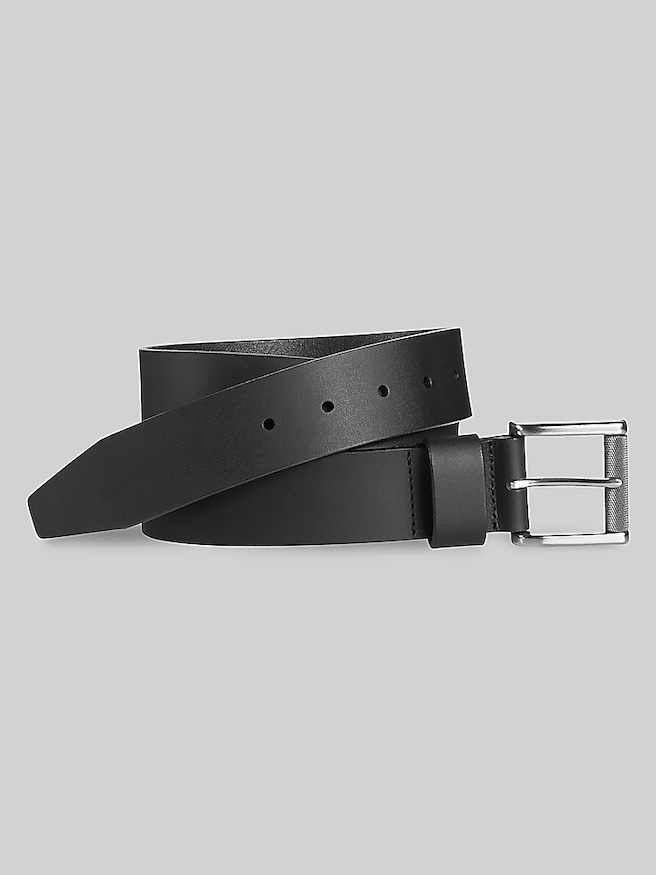
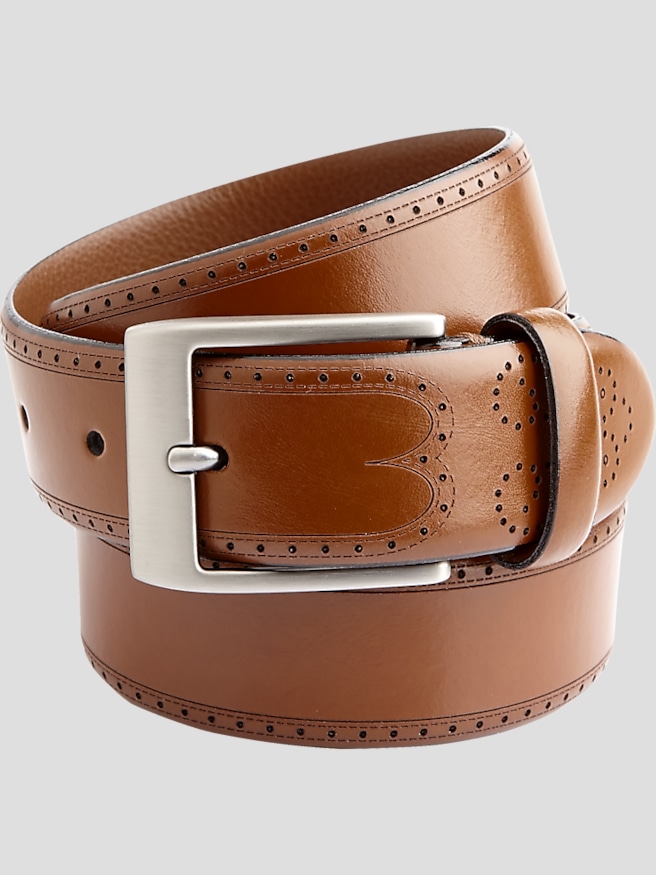
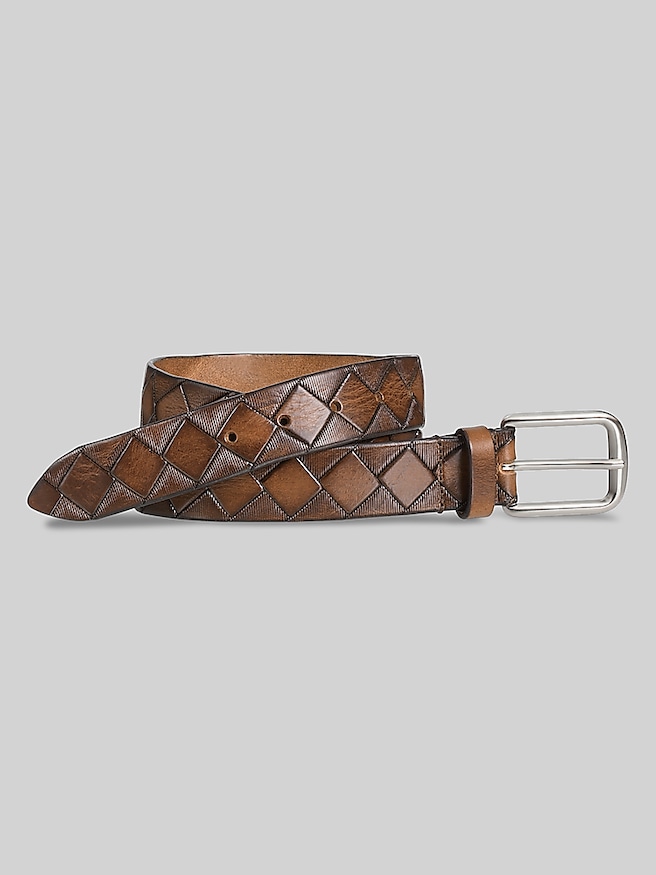
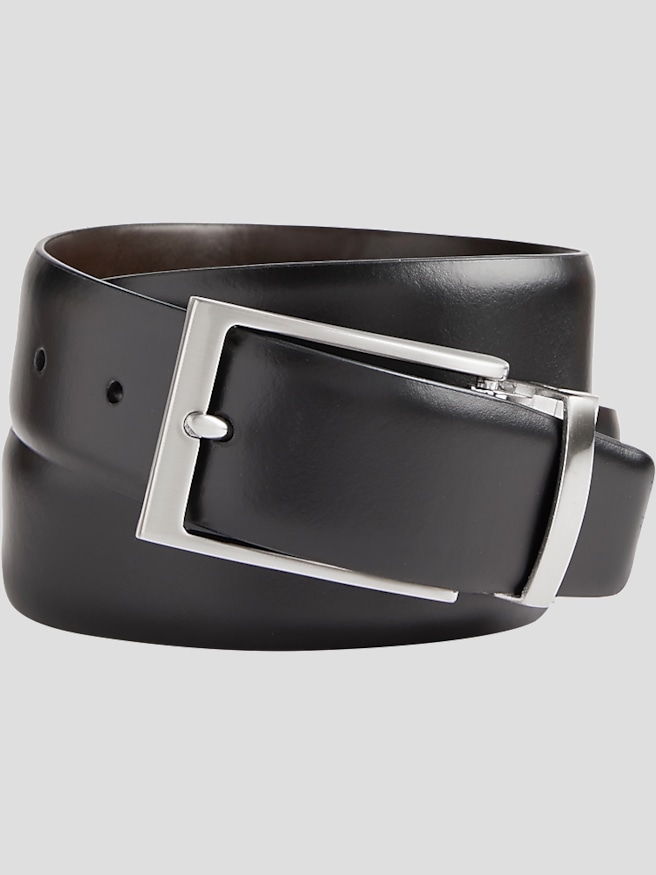
Genuine leather belts for men bring structure and a finished look to everything from tailored trousers to everyday denim. A smooth black strap with a restrained buckle sits comfortably alongside polished dress shoes, while a brown belt with visible grain gives chinos or jeans a more relaxed character. Beyond appearance, a belt should hold its shape, sit comfortably at the waist, and pass through belt loops without bunching or pulling. Leather offers a useful balance of flexibility and substance, but the words “genuine leather” alone do not establish a particular quality grade. They identify the material without fully describing the hide, surface treatment, thickness, or construction. Full-grain leather retains the hide’s natural grain surface and may show small variations that give the strap character. Top-grain leather has had its surface refined, often creating a smoother, more uniform appearance. Both can be used in well-made belts, and neither term replaces a closer look at how the belt is assembled. Bonded leather, which combines leather fibers with binding materials, is a different construction from a continuous piece of leather. Some belts use a single leather strap; others combine a leather face, lining, and supporting layers to create a particular shape or finish. Neat stitching, clean edges, a securely attached buckle, and a lining that lies flat are useful details to consider. A thicker strap may suit a substantial casual look, while a slimmer, supple construction generally works better with dress trousers. Thickness by itself is not a guarantee of durability: the leather’s condition, the quality of its finish, and the strength of its assembly all contribute. Those details also matter when considering Men's Premium Leather Belts, where texture, proportion, and finishing help distinguish a refined accessory. The most useful choice is a belt whose material and construction suit the way it will be worn, whether that means frequent office use, business travel, weekend outings, or occasional dressier events.
Fit and proportion make a genuine leather belt feel like part of an outfit rather than an afterthought. Many belt size charts recommend choosing a belt approximately two inches larger than the labeled trouser waist size, so someone wearing a size 34 waist may start by checking a size 36 belt. That is a common starting point, not a universal rule, because trouser sizing, waistband position, and belt measurement methods vary. The relevant size chart should take priority. Measuring a comfortable existing belt can also help, using the buckle reference point and the hole most often worn as specified by the sizing instructions. A good fit generally allows the buckle to fasten near the middle of the adjustment range, leaving room for small changes without an unusually long tail. The belt should support the waistband without digging into it when sitting at a desk or driving. Width deserves equal attention. Dress belts are often about 1 to 1¼ inches wide, giving them a balanced appearance with tailored pants and smaller belt loops. Casual belts commonly measure around 1½ inches wide, creating a sturdier visual line with denim and chinos. The actual belt loops remain the deciding factor; even an attractive strap is awkward if it must be forced through them. Color coordination can be straightforward without requiring a perfect match. Black leather pairs naturally with black shoes, while brown belts can complement brown footwear in a similar depth of color. A dark brown belt beside medium-brown shoes can look intentional when the textures and overall formality agree. Smooth leather and a modest buckle tend to complement a suit, a tucked dress shirt, or a polished business-casual outfit. More pronounced grain, visible stitching, and a broader buckle often feel at home with jeans and casual shoes. Buckle finish can echo a watch or another metal accessory, although exact matching is less important than keeping the overall effect cohesive. For interviews, presentations, and weddings, a discreet belt helps keep attention on the complete outfit rather than a single accessory.
The appeal of a leather belt extends beyond its first few wears. With suitable construction and sensible care, leather can gradually soften and develop character while continuing to provide dependable support. That natural change should be distinguished from damage: gentle creasing near a frequently used hole is different from splitting edges, peeling layers, or a loose buckle attachment. Repeatedly fastening a belt too tightly puts extra stress on the holes and can distort the strap, so comfortable sizing contributes to longevity as well as appearance. After everyday wear, a soft, dry cloth can remove surface dust. If cleaning is needed, follow the care directions for the particular leather and finish; smooth, coated, and textured surfaces may require different treatment. A small amount of a compatible leather conditioner may help some leathers, but it should be tested on an inconspicuous area first because it can darken the surface or alter the sheen. Saturating the strap or applying household cleaners can do more harm than good. If a belt becomes damp, allow it to dry naturally away from direct heat before putting it away. Hanging it from the buckle or storing it in a loose coil helps avoid sharp bends, and a ventilated storage space is preferable to a damp enclosure. Alternating between belts can also give each strap time to rest between wears. These practical qualities make a genuine leather belt a thoughtful gift for a father, partner, adult son, graduate, or someone building a more polished wardrobe. The best gift choice reflects the recipient’s habits: the color of the shoes worn most often, the width of the loops on favorite pants, and the preference for a subtle or more substantial buckle. Correct sizing matters more than choosing a dramatic design. For someone who moves between office trousers and weekend chinos, an understated leather belt can become a familiar finishing touch—easy to coordinate, comfortable through a full day, and distinctive enough to feel considered without overpowering the outfit.