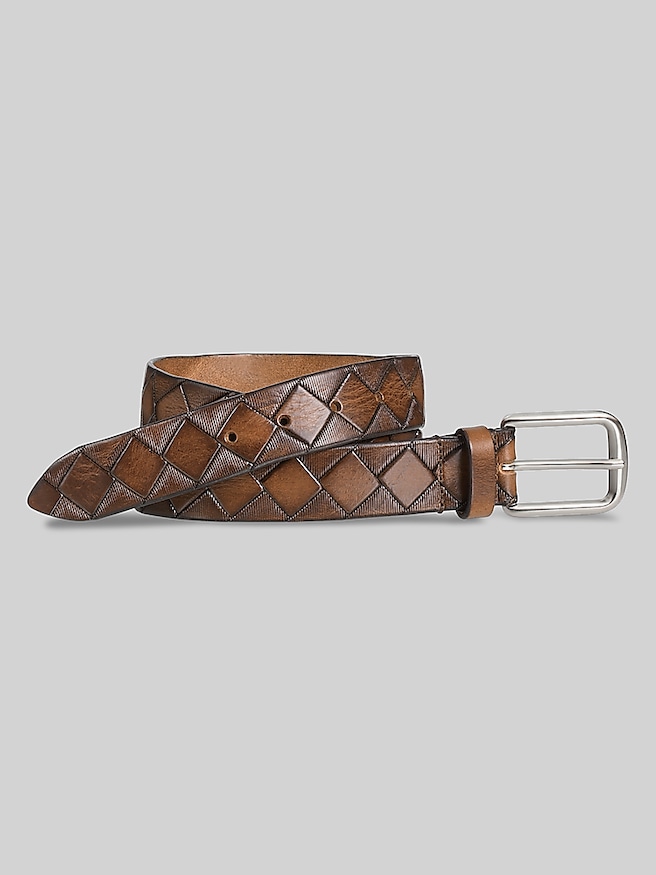
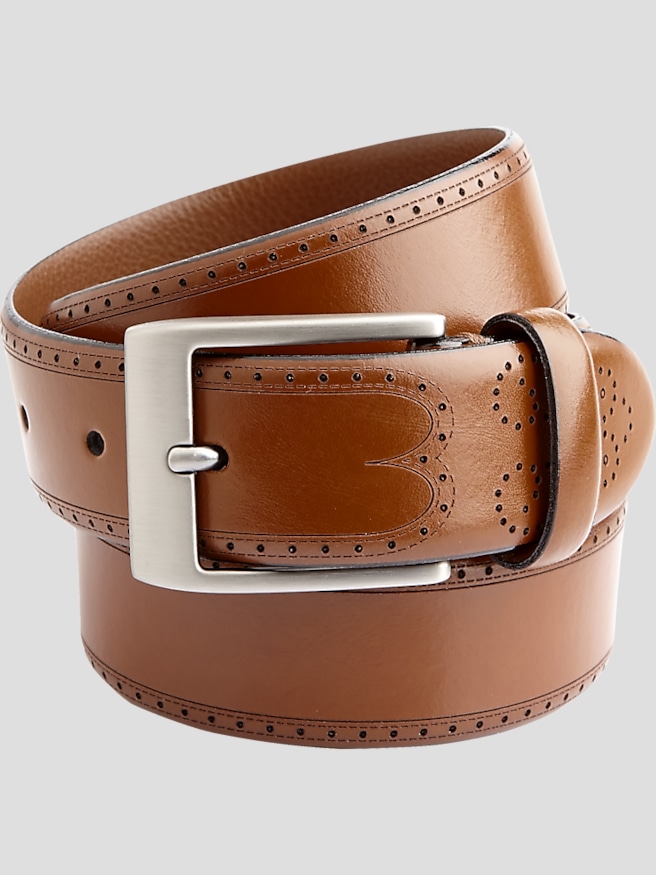
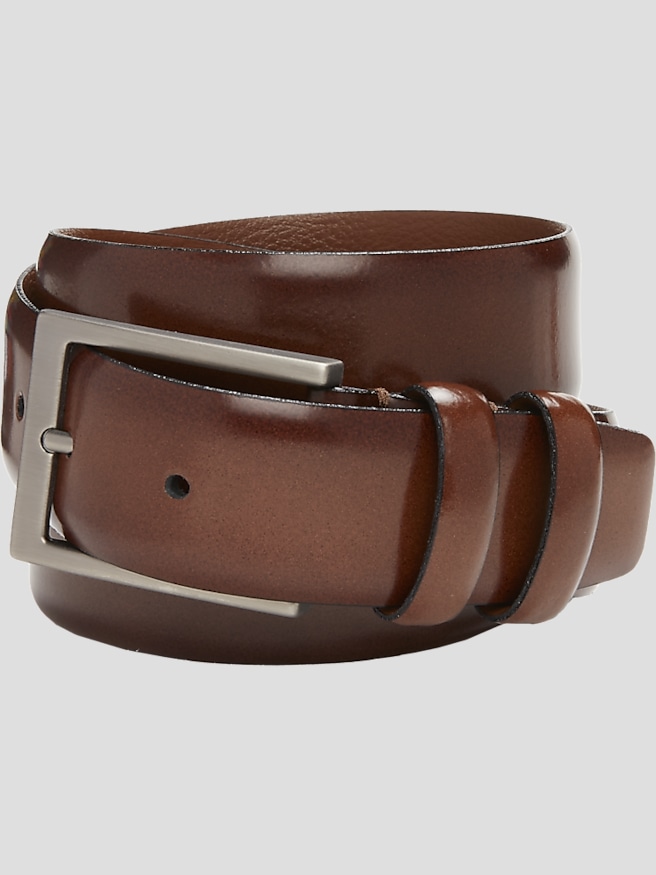
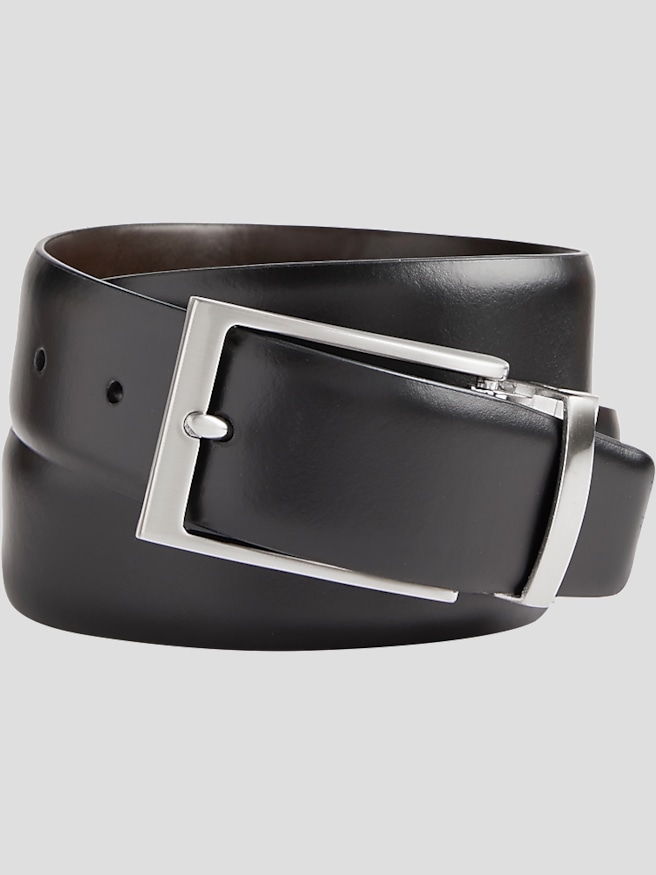
Men’s premium leather belts combine well-finished leather, dependable hardware, and careful construction to give tailored and casual outfits a secure fit and a polished finish. The qualities that matter most are often apparent up close: a strap that feels substantial without being stiff, edges that are smoothly finished, and a buckle that operates cleanly without rough spots. Full-grain leather retains the hide’s natural grain surface and can develop a distinctive patina with use, while top-grain leather has been sanded or otherwise refined for a more uniform appearance. Either can make a handsome belt when the leather is thoughtfully selected and the construction is sound. Calfskin often has a fine grain and a supple feel, although the finished belt’s character also depends on tanning, thickness, and any lining or reinforcement. Specialty leathers such as shell cordovan offer their own texture and luster, but a leather name alone does not establish the quality of the finished piece. Likewise, “genuine leather” identifies a material without providing a complete picture of its grade or construction. A solid leather strap differs from bonded leather, which combines leather fibers with binders, and layered construction deserves attention to the quality of the lining and how securely the layers are joined. Neat stitching, where present, should run evenly along the strap without loose threads or skipped sections. Smoothly burnished or carefully coated edges help create a clean outline against trousers and can reduce premature fraying at exposed layers. Hardware matters just as much as the strap: solid brass and stainless steel are durable buckle materials, while the quality of a plated finish affects how its appearance holds up. A heavier buckle is not automatically a better one; balanced proportions and a secure attachment matter more than weight alone. Across these details, premium quality is best understood as the combination of material, workmanship, comfort, and performance rather than any single label.
Fit determines whether those details translate into comfortable everyday wear. A belt should hold trousers comfortably at the waist without needing to be pulled so tightly that the waistband gathers or the buckle presses into the body. For a traditional belt with holes, fastening near the middle hole generally leaves useful room for adjustment in either direction. Belt measurements and sizing conventions vary, so the most reliable comparison is often a belt that already fits well, measured from the buckle’s prong attachment point to the hole used most often. A belt size about two inches larger than the tagged trouser waist is a common starting point, not a universal rule; trouser rise, fabric, and individual sizing can change the result. Width deserves equal attention. A dress belt around 1¼ inches wide often sits neatly in tailored trouser loops, while a strap closer to 1½ inches can look more at home with denim or substantial chinos, provided it passes easily through the loops. The buckle should sit flat, and the remaining strap should tuck neatly into the keeper without extending awkwardly around the waist. When comparing Men's Premium Belts, consider how the leather’s color, surface, and proportions work with the clothing already worn most often. Smooth black leather and a restrained buckle create a clean line with dark dress shoes and tailored trousers. Brown leather offers a broad range of possibilities, from a rich dark tone beside polished oxfords to a more textured finish with suede footwear and chinos. Shoes and belt do not need identical grain patterns, but coordinating their color family and level of formality helps the outfit feel intentional. A quiet buckle also works well for presentations, interviews, and occasions when the focus belongs on the person rather than the accessories. For a suit, a slimmer profile usually looks more integrated than an oversized buckle or a heavily textured strap. If trousers are designed for suspenders or have side adjusters instead of belt loops, a belt may not be needed at all.
Good care helps premium leather belts retain their shape and finish through repeated wear. Leather naturally bends where it passes through the buckle and follows the waist, so some creasing is normal; deep cracks, separating layers, or a loosening buckle attachment deserve closer attention. After wear, a soft, dry cloth can remove surface dust before it settles into the grain or around the hardware. For marks that need more attention, follow the leather’s care instructions and test an appropriate cleaner on a discreet area first. Different finishes respond differently to moisture and conditioning, and suede or other textured leather requires a different approach from smooth leather. An occasional light application of a compatible conditioner may help some smooth leathers remain supple, but more is not necessarily better: heavy applications can darken the surface, leave residue, or affect the finish. Avoid soaking the strap, using harsh household cleaners, or drying leather beside direct heat. If it becomes damp, blot gently and allow it to dry naturally before storing. Hanging a belt straight or placing it in a loose coil helps avoid sharp folds; forcing it into a tight roll can put unnecessary stress on the leather and edges. Rotating between belts also gives each strap time away from repeated tension at the same hole. For someone who dresses for an office, attends formal celebrations, or simply prefers a finished look with jeans, a well-chosen leather belt can become a frequently used part of the wardrobe. It can also make a thoughtful gift for a graduation, milestone birthday, or new job, particularly when the recipient’s preferred buckle finish, shoe colors, and correct belt measurement are known. A restrained design in a familiar color is often easier to wear than an unfamiliar statement piece. The most satisfying choice is one that feels comfortable from the first fastening, suits the wearer’s routine, and has the construction to remain dependable as the leather develops character.