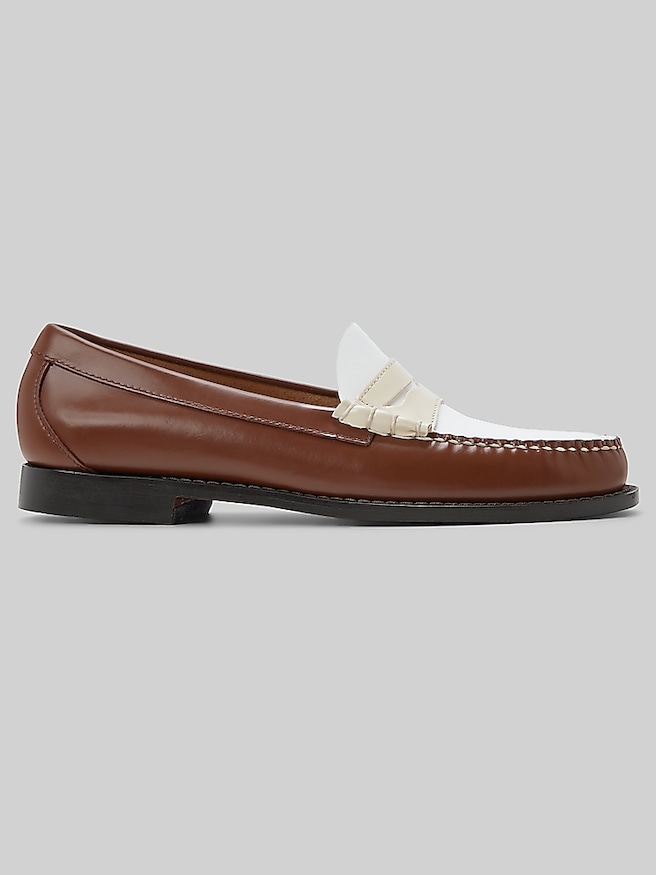
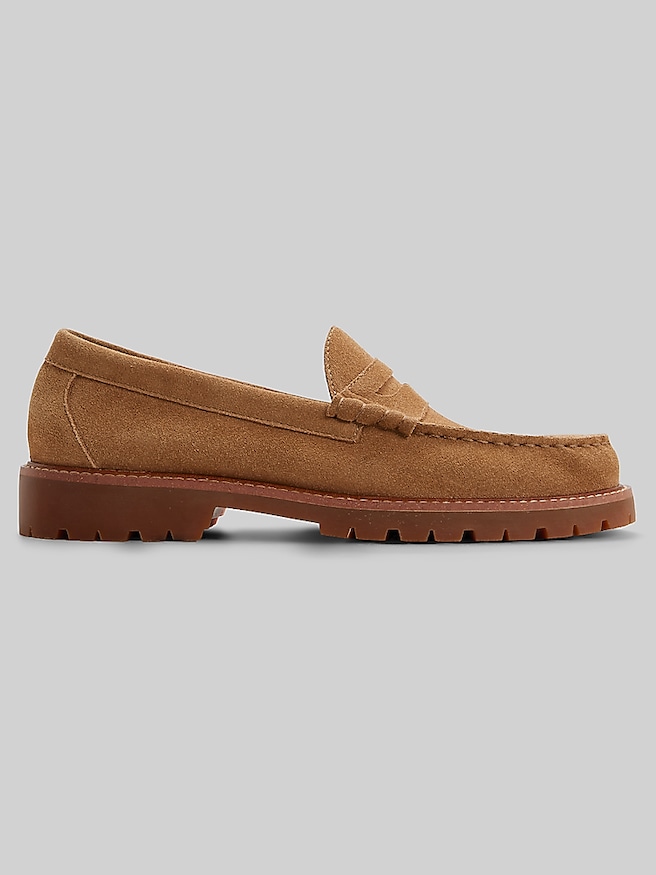
Classic leather shoes bring structure to an outfit without demanding much attention: a clean toe, a well-proportioned sole, and a finish that works with the clothes above it. Loafers are especially useful for that balance, offering the ease of a slip-on with a shape that can look polished beside tailored trousers or relaxed beneath straight-leg denim. The penny loafer’s defining detail is the leather strap across the instep, traditionally finished with a small opening. That simple design has become a familiar part of American collegiate and business-casual dressing, but its appeal extends beyond any single style tradition. A smooth leather loafer can accompany chinos and an Oxford shirt at the office, then look equally natural with dark jeans and a knit polo at dinner. Tassel details add visual interest, while an unadorned upper keeps the emphasis on shape and texture. Lace-up shoes offer another approach, with an adjustable closure that can help secure the foot and a silhouette suited to more tailored outfits. Sole proportions make a noticeable difference across these categories. A slimmer sole tends to blend into dressier clothing, while a more substantial sole gives a shoe greater visual weight and pairs comfortably with heavier-looking fabrics and relaxed cuts. The right choice depends as much on the intended setting as on personal taste. For a workplace with a business-casual dress code, understated leather shoes can bridge the gap between sneakers and formal dress footwear. For a wedding guest or an important presentation, a polished finish and a restrained profile usually complement a suit more readily than a visibly rugged sole. Black creates a crisp contrast with gray and charcoal trousers; brown shades can bring depth to navy, khaki, and denim. Matching a belt reasonably closely in color and formality helps the outfit feel cohesive, although an exact match is not essential. Trouser length matters, too: a clean hem allows the shoe’s shape to remain visible instead of disappearing beneath excess fabric.
Materials and construction influence how footwear feels, how it changes with wear, and how much attention it needs. Smooth leather has a relatively even surface that can be cleaned and polished, making it a practical choice for anyone who prefers a consistently neat appearance. Full-grain leather retains the hide’s natural surface, while other leather finishes may be treated for a more uniform look; neither a glossy finish nor a particular label alone establishes how comfortable a shoe will be. Suede has a softer, textured appearance that works well with chinos, denim, and less formal tailoring, though its nap needs different care from smooth leather. Linings, seams, cushioning, and the shape of the last—the form used to build the shoe—all affect the experience underfoot. A soft footbed can make a good first impression, but secure fit and sufficient room remain important through a full day of standing, walking between meetings, or spending an evening at a reception. Toes should have room to lie naturally without pressing against the front or being squeezed from the sides. Across the instep, a loafer should feel comfortably secure rather than sharply tight, since there are no laces to adjust that part of the fit. A little initial heel movement can occur in some designs, but persistent slipping or rubbing is a reason to reconsider the size or shape. Leather may soften and conform somewhat with wear, yet it should not be expected to correct a shoe that is too short or painfully narrow. Fit can vary between silhouettes, so a familiar size is a starting point rather than a guarantee. Trying footwear with the socks intended for everyday use gives a more useful sense of comfort than relying on size alone. Low-cut socks can preserve the clean appearance of a loafer while adding a layer between the foot and lining; dress socks suit a more traditional look with tailored trousers. For a gift recipient, knowing both the usual shoe size and any width preference is more helpful than guessing from appearance.
Durability comes from a combination of suitable materials, sound construction, appropriate use, and regular care. Leather soles can create a refined profile, while rubber soles often provide flexibility and practical traction; actual grip depends on the tread, its condition, and the surface underfoot. A thicker sole does not automatically mean a longer-lasting shoe, just as a sleek profile does not automatically mean delicate construction. Stitching, the attachment of the sole, and wear at the heel all deserve attention over time. Some construction methods allow professional resoling, but repair options depend on the individual shoe and should not be assumed from its appearance. Routine care helps preserve both the upper and the shape. For smooth leather, removing surface dirt before applying a compatible conditioner or polish keeps residue from being worked into the finish. Small amounts are generally easier to control than a heavy application, and testing a care product on an inconspicuous area helps reveal unexpected changes in color. Suede benefits from a suitable brush used gently to lift the nap; conventional leather polish is not appropriate for its textured surface. If shoes become damp, allowing them to dry naturally away from direct heat helps avoid damage. Cedar shoe trees can help maintain shape and absorb some residual moisture, while alternating pairs gives linings time to dry between wears. A shoehorn reduces pressure on the heel when putting shoes on, particularly with a snug slip-on. These habits are useful for footwear worn to the office, taken on business trips, or kept ready for celebrations. Shoes can also be a thoughtful gift for a graduate building a professional wardrobe, a partner who enjoys classic dressing, or a father replacing a much-worn favorite. Whether exploring Men's Bass Shoes Outlet for everyday dressing or an upcoming occasion, the most useful considerations remain the same: a comfortable fit, materials that suit the intended use, and a silhouette that works naturally with the recipient’s clothing.