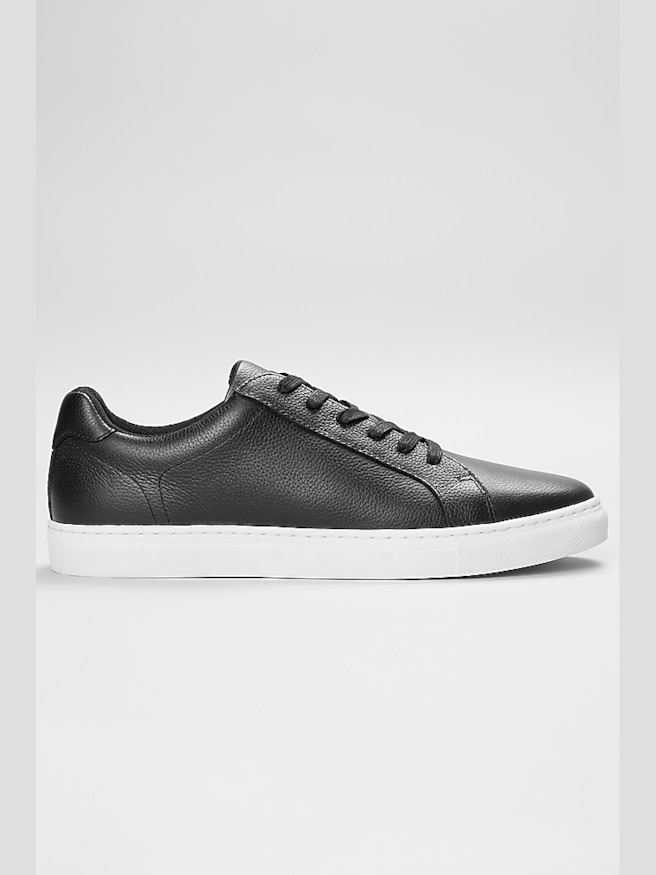
For men drawn to G.B. Bass Shoes, traditional footwear shapes bring familiar character to wardrobes built around tailored trousers, chinos, and denim. Loafers, lace-up shoes, and casual moccasin-inspired styles each have a distinct place in that mix, with differences in shape and detailing that influence how dressed up an outfit feels. A penny loafer is recognizable by the strap across its upper, typically finished with a small, shaped opening. Its slip-on construction and uncluttered profile make it a natural companion to straight-leg chinos, an Oxford cloth shirt, and a sport coat. Tassel loafers introduce a more decorative finish without requiring a complicated outfit; simple trousers and a well-fitting sweater leave room for the footwear’s details to stand out. Lace-up styles offer another kind of versatility. Oxfords have closed lacing, with the eyelet sections attached beneath the vamp, creating a neat appearance that works especially well with tailored clothing. Derbies use open lacing, with the eyelet sections sewn over the vamp, producing a slightly more relaxed look and often allowing greater adjustment across the top of the foot. Boat shoes and moccasin-style footwear tend to sit toward the casual end of the spectrum, where visible stitching, flexible uppers, and an easy silhouette complement denim or less structured trousers. Boots add ankle coverage and a stronger visual presence, particularly alongside substantial fabrics and trousers with enough room at the hem. Color also shapes the impression: black generally looks sharper and more formal, while shades of brown can bridge business casual clothing and weekend outfits. The most useful pairing is not necessarily the dressiest shoe, but the one whose proportions match the clothing around it. A slim, refined upper looks balanced beneath tailored pants, while a broader toe and thicker sole usually sit more comfortably with relaxed cuts. For an office followed by a dinner reservation, understated leather footwear can keep the same outfit looking appropriate across both settings without calling unnecessary attention to itself.
Materials and construction determine much of a shoe’s feel, appearance, and everyday usefulness. Smooth leather can develop creases and a softer feel with wear, while retaining a surface that responds well to appropriate cleaning and conditioning. A highly polished finish creates a crisper impression than a matte one, even when the underlying silhouette is similar. Suede has a textured surface that softens the look of a loafer or lace-up, making it especially compatible with brushed cotton, knitwear, and other fabrics with visible texture. Neither material is automatically more comfortable; the shape of the last, the upper’s structure, the lining, and the space inside the shoe all matter. Full-grain leather retains the hide’s natural surface, while other leather finishes may be treated to create a more uniform appearance. Material descriptions help clarify those distinctions, but thickness and finish alone do not establish how a shoe will fit or how long it will last. Underfoot, leather soles often contribute to a relatively slim profile, while rubber soles can provide flexibility and traction depending on their compound and tread. A thicker sole changes both the weight of the shoe and the way it looks beneath a pant leg. Cushioning may ease pressure, but it cannot compensate for a toe box that is too narrow or a heel that does not stay secure. A sound fit leaves enough room for the toes to rest naturally, holds the foot comfortably through the middle, and avoids persistent rubbing at the heel. Slip-on footwear deserves particular attention because laces are not there to adjust the hold. Leather may soften, but an uncomfortable shoe should not depend on stretching to become wearable. Trying footwear with the socks intended for regular use gives a more realistic sense of fit, and walking a few steps reveals pressure points that may not be obvious while standing still. For someone moving between a desk, meeting rooms, and a walk to lunch, secure fit and suitable sole flexibility matter as much as a polished finish.
Thoughtful care helps classic footwear retain its character through repeated use. Smooth leather generally benefits from loose dirt being brushed away before a suitable cleaner, conditioner, or polish is applied according to the material’s care instructions. Conditioner helps maintain suppleness, while polish can refresh color and adjust the level of shine; the two serve different purposes and are not interchangeable for every finish. Suede calls for its own approach, usually involving a dedicated brush and products intended for its textured surface rather than standard leather polish. Any treatment is best checked on an inconspicuous area first, particularly on light colors or specialty finishes. After cleaning, shoes should dry naturally away from direct heat. Cedar shoe trees can help support the upper’s shape and absorb some moisture between wears, while rotating pairs gives the lining and footbed time to air out. A shoehorn reduces repeated pressure on the heel counter, a small habit that can help preserve structure in frequently worn slip-ons and lace-ups alike. Durability also depends on how the footwear is used: long stretches of walking place different demands on soles and heels than days spent mostly seated, and worn tread or uneven heels deserve attention before they affect comfort. Whether a sole can be replaced depends on the shoe’s construction, so repairability should never be assumed from appearance alone. These practical details are relevant to men building a first professional wardrobe, refining an established rotation, or choosing footwear for social occasions where sneakers feel too casual. A simple loafer can suit a relaxed workplace, while a restrained lace-up may be the better match for a more formal dress code. Classic footwear can also make a thoughtful gift for a new job or professional milestone when the recipient’s size, preferred shape, and usual clothing are known. The strongest choice fits both the foot and the person’s routine: comfortable enough to wear regularly, proportioned to familiar outfits, and made from materials the wearer is prepared to maintain.