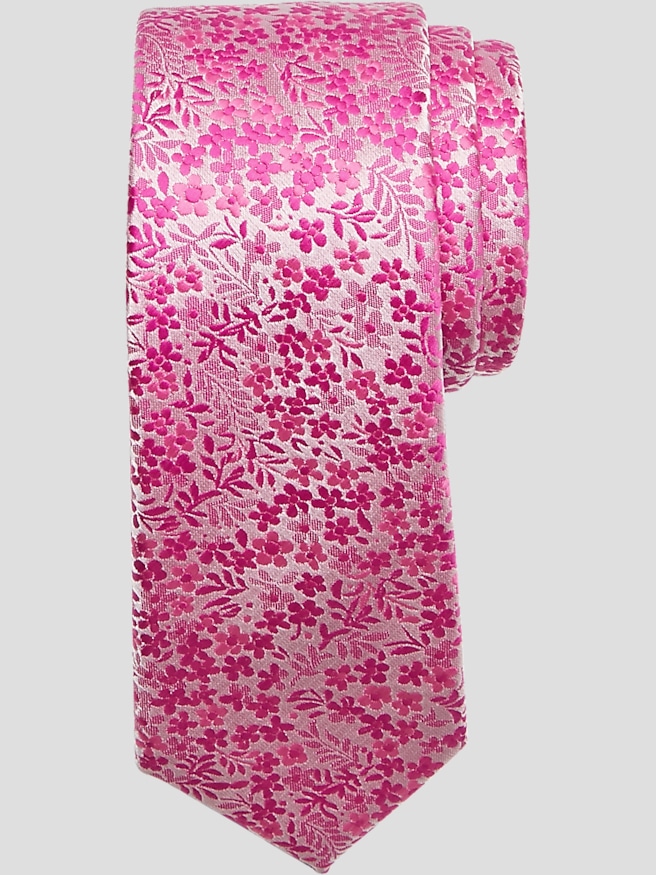
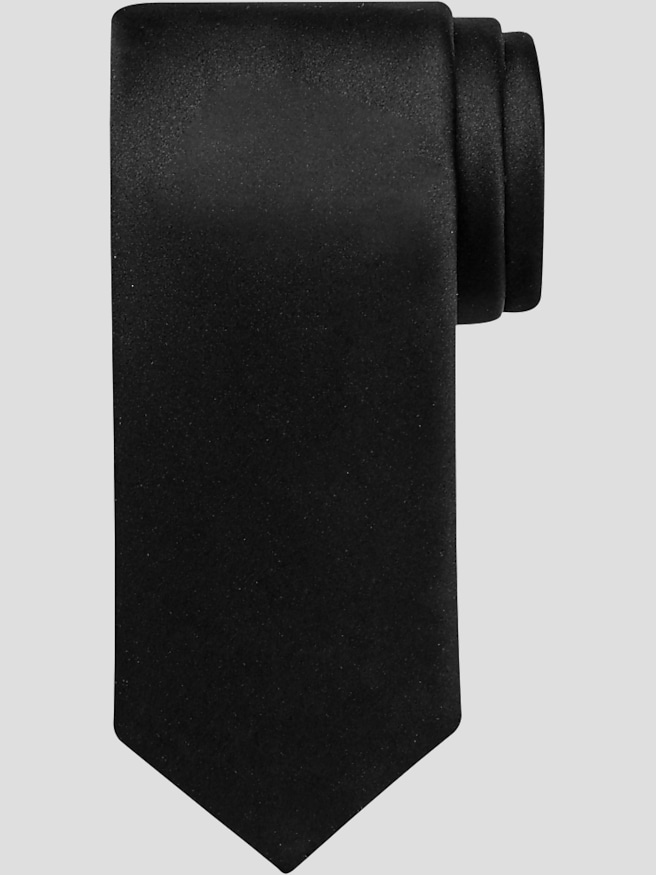
Formal silk ties bring a polished finish to the kind of outfits reserved for important introductions, meaningful celebrations and days when every detail deserves attention. Made from natural silk fibers, they are known for a refined texture, graceful drape and restrained sheen that catches the light without appearing overly glossy. That distinction matters when you are dressing for a wedding, gala, evening reception, business-formal gathering or another occasion where a well-chosen tie quietly signals care. A silk tie can sharpen the appearance of a classic suit while still feeling personal, whether it is knotted at the collar of a crisp white shirt or paired with a pale blue, soft pink or subtle striped dress shirt. During the warmer season, lighter jewel tones and understated patterns can add depth to a navy or charcoal suit without making the outfit feel heavy. As the weather turns cooler, deeper burgundy, forest, plum, navy and silver-grey tones work naturally with textured wool suits, flannel trousers and richer seasonal layers. For the most traditional formal settings, solid colors and discreet micro-patterns tend to be versatile choices. A solid black or deep navy tie has a clean, dependable character, while a muted jacquard or small geometric design can add visual interest from across the room and reveal its detail up close. For an especially formal evening event, look for a silk tie with a smooth, elegant finish and a pattern that remains subtle enough to complement rather than compete with the rest of the ensemble. When the dress code calls for a tuxedo, a bow tie is generally the appropriate neckwear; formal silk neckties are better suited to tailored suits, dinner suits and elevated business attire where a long tie is part of the expected look.
When selecting a formal silk tie, consider proportion, construction and the way the tie will be worn throughout the day. A standard width is a reliable choice for most modern suits, while a slightly wider style can complement a broad lapel or a more traditional silhouette. The tie should reach approximately the top of the waistband or belt buckle when tied, and its length should allow the narrow end to remain hidden behind the wider blade. Silk woven in a quality 3-fold or multi-fold construction generally offers a fuller hand, better shape and a satisfying knot, especially when using a four-in-hand, half-Windsor or full Windsor knot. The right knot depends on the collar: a narrower spread often suits a simple four-in-hand, while a wider spread can support the balanced shape of a half-Windsor or Windsor. Pay attention to the tie’s lining and recovery as well. A well-made tie should settle neatly after being knotted, resist looking flat or limp and show an even surface without puckering along the seams. Natural woven or jacquard silk usually provides a more sophisticated appearance than highly reflective synthetic satin, which can look excessively shiny under office lighting or event photography. Color should work with both the suit and the setting. Silver-grey, navy and charcoal offer dependable versatility for formal workwear, while burgundy, sapphire, emerald and other jewel tones bring warmth to wedding attire or evening ensembles. Pattern scale is another useful consideration: small repeats are easy to coordinate, larger motifs make a stronger statement, and tonal designs offer texture without introducing too much contrast. If you are building a dependable neckwear collection, begin with a few adaptable shades, including a choice from [Solid Silk Ties](https://www.menswearhouse.com/o/solid-silk-ties), then add pattern and color as your wardrobe grows.
Formal silk ties also make thoughtful gifts because they combine practicality with a sense of occasion. They can mark a graduation, a new job, a birthday, an anniversary or the start of an important chapter, and they are especially fitting for someone preparing for a wedding, interview, presentation or formal celebration. A tie chosen for a gift does not have to match one specific suit to be useful. Navy, charcoal, silver-grey and rich burgundy are broadly wearable, while a restrained stripe or small geometric pattern can reflect personality without making coordination difficult. For a wedding party, matching or complementary silk ties can help create a cohesive appearance while allowing each person to wear a tailored suit that feels individual. For a parent, partner or colleague, a formal tie can carry the memory of a particular day: the quiet minutes before a ceremony, the first handshake at a new position or the photographs taken beneath warm evening lights. Store silk ties loosely rolled or hung carefully rather than leaving them tightly knotted, and untie them after wearing to help preserve the fabric and shape. If a wrinkle appears, gentle hanging may allow it to relax; direct high heat and rough handling can damage the fibers. Keep the tie away from sharp jewelry, rough surfaces and spills, and follow the care instructions for cleaning. With thoughtful color selection, a balanced knot and proper care, a formal silk tie can move easily between professional settings and celebratory occasions, adding a composed finishing touch whenever a suit calls for something more distinctive than an afterthought.