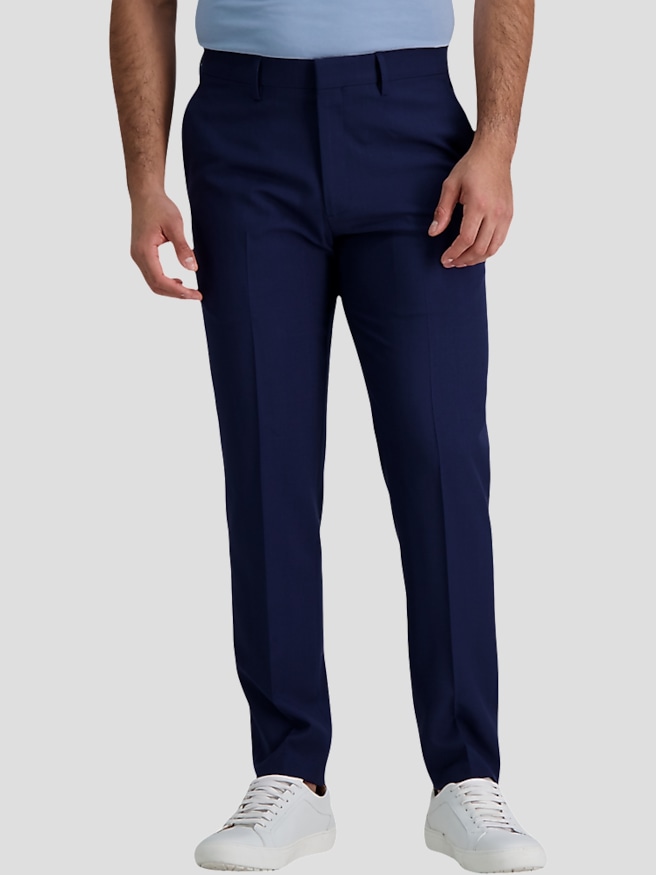
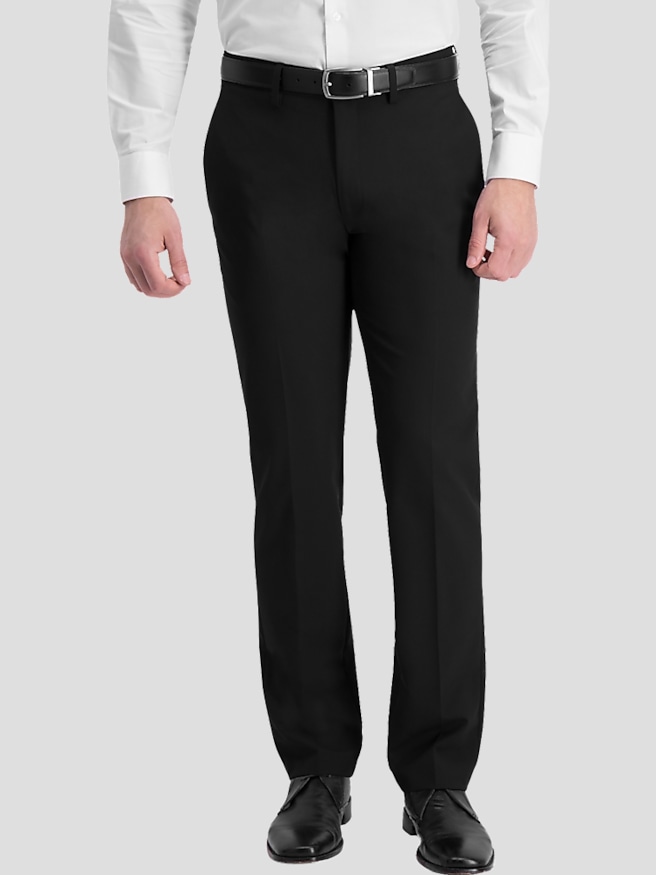
Formal casual trousers are tailored pants that combine the clean appearance of dress pants with the comfort and versatility of everyday casual pants. Often described as smart casual trousers or dress chinos, they sit between jeans and traditional suit trousers: polished enough for many offices, dinners, and celebrations, yet relaxed enough to wear without a matching jacket. The distinction comes from the combination of fabric, cut, and finishing details rather than a single required style. A smooth surface, a neat waistband, and a controlled silhouette generally look dressier than prominent stitching, oversized pockets, or a heavily washed finish. That balance makes these trousers useful for a workday that ends at a restaurant, a networking event with a business casual dress code, or a family gathering where denim feels too informal. They are not a substitute for attire specifically required by a black-tie or formal dress code. Materials influence both appearance and feel. Cotton twill offers a familiar texture and enough structure to give chinos a defined shape, while finer cotton weaves can create a smoother, more refined finish. Wool and wool-blend trousers often have a fluid drape that looks particularly good with tailored jackets and fine-gauge knitwear. Blends containing synthetic fibers may improve wrinkle resistance or help fabric retain its shape, depending on their composition and construction. A small amount of stretch can make sitting, walking, and climbing stairs more comfortable without giving the pants an athletic appearance. Fabric weight matters beyond the label: a substantial cloth can skim the leg neatly, while an overly thin fabric may reveal pocket outlines or bunch around the knees. Matte finishes are generally easy to coordinate, and subtle texture adds depth without demanding attention. The result is a category defined by useful flexibility, with enough refinement for a meeting across a conference table and enough ease for the drive home afterward.
Fit gives formal casual trousers much of their character. Slim, tailored, and straight cuts can all look polished when the proportions suit the wearer; a narrow leg is not automatically more refined. The waistband should sit securely without digging in, and the fabric across the front should lie reasonably flat rather than pull into horizontal lines. Through the seat and thighs, enough room to sit comfortably helps preserve a smooth outline when standing again. Stretch supports movement, but it does not replace adequate room in the cut. A rise that feels natural while seated can make a noticeable difference over a full day at a desk or an extended dinner. Pleated fronts provide additional room through the upper leg and can create an elegant drape, while flat fronts offer a clean, understated appearance. Neither detail belongs exclusively to one body type or age group. The relationship between the thigh, knee, and leg opening matters more than any single measurement. A gradual taper creates a defined line, while a straighter leg leaves more space and works well with shoes that have a substantial profile. Length also changes the overall impression. A hem that lightly meets the shoe looks intentional without creating a pile of fabric at the ankle; a slight break offers a more traditional finish. Excess length can obscure an otherwise good fit, and a hem that catches on the calf may indicate that the lower leg is too narrow. Construction deserves attention alongside silhouette. Secure pocket openings, even stitching, and a waistband that holds its shape contribute to everyday durability. Where present, reinforced stress points and a partial lining can support comfort and wear, although the benefit depends on the garment’s design. For men who spend much of the day moving between a desk, a car, and appointments, these practical details are often as important as the initial appearance in the mirror. Trousers that hang cleanly after sitting tend to feel more dependable throughout a busy schedule.
Color and styling determine how easily formal casual trousers move between settings. Navy, charcoal, gray, tan, and other understated shades create a foundation for shirts, knitwear, and jackets without requiring an exact match. Tonal texture or a restrained pattern can add interest while keeping the overall look composed. A tucked-in button-down shirt and leather loafers give the trousers a business casual direction; a fine-knit polo creates a softer outline for dinner or a social event. An unstructured jacket can add definition without making the outfit resemble a matching suit. The same balance applies to footwear: polished lace-ups bring a dressier finish, while minimal sneakers can work where the setting permits a more relaxed interpretation. A cohesive formal pants outfit depends on compatible proportions and levels of formality, not simply adding a jacket to any pair of pants. Care helps maintain that balance over time. The garment’s care label is the starting point because cotton, wool, blends, linings, and waistband components can require different treatment. Machine-washable trousers still benefit from the recommended cycle and drying method, while styles labeled for dry cleaning should be treated accordingly. Excessive heat can affect shape and stretch recovery, so pressing and steaming should follow the fabric’s requirements. Prompt attention to spots, with a method appropriate to the material, can prevent unnecessary wear from repeated cleaning. Hanging trousers neatly by the hems or folding them over a suitable hanger helps limit avoidable creasing between wears. Rotating pairs also gives fabric time to recover its shape. These qualities make formal casual trousers a practical gift for a graduate starting an office role, a partner building a more versatile wardrobe, or a father who appreciates clothes that work across several occasions. Accurate waist, inseam, and fit preferences are especially useful when selecting a gift, since the most successful pair feels comfortable and familiar while bringing a sharper finish to everyday dressing.