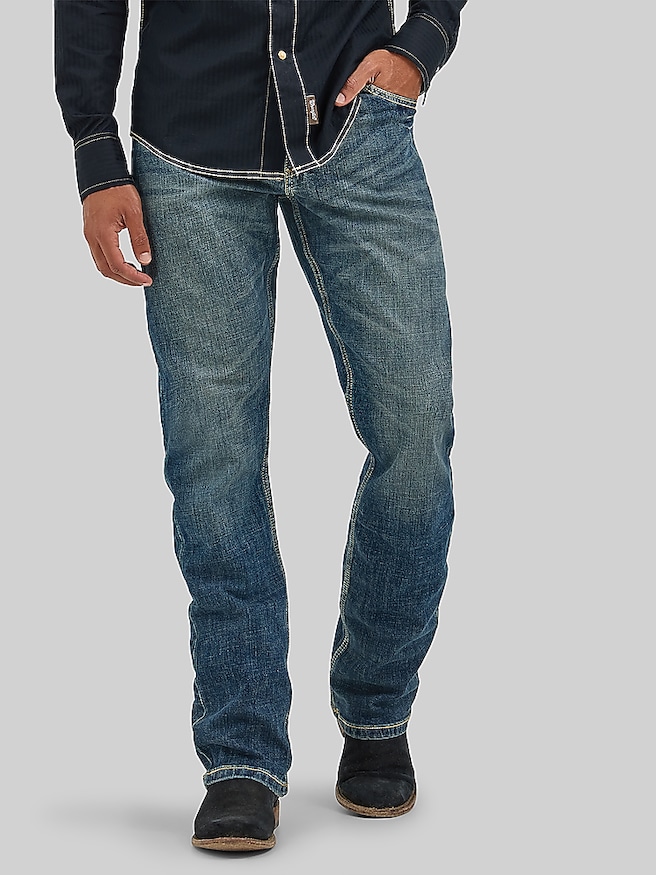
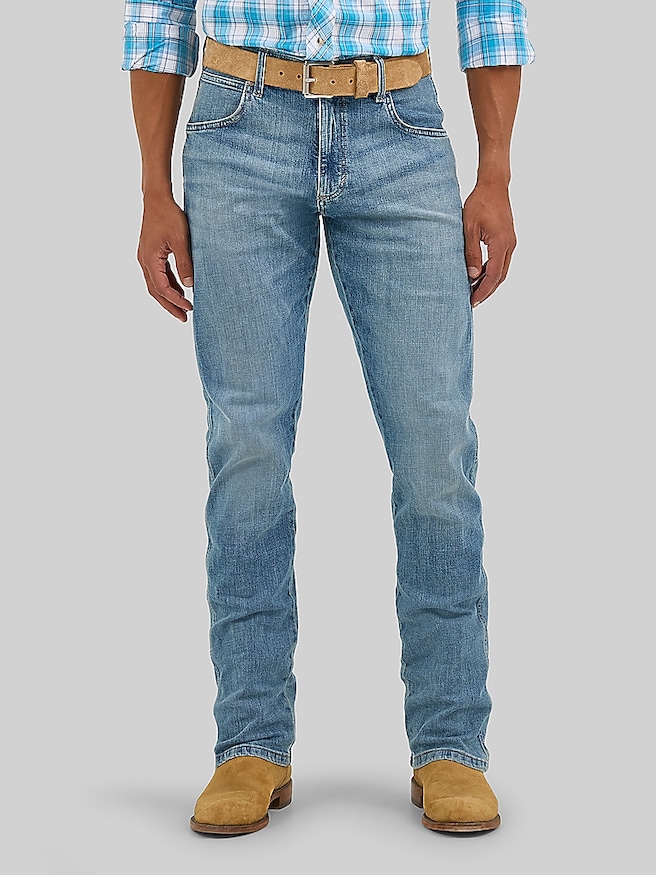
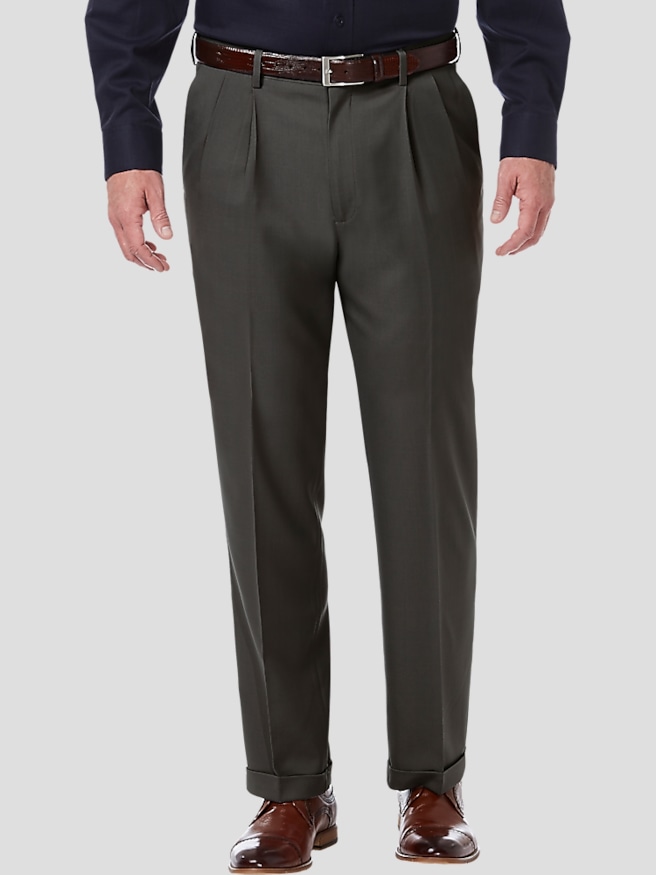
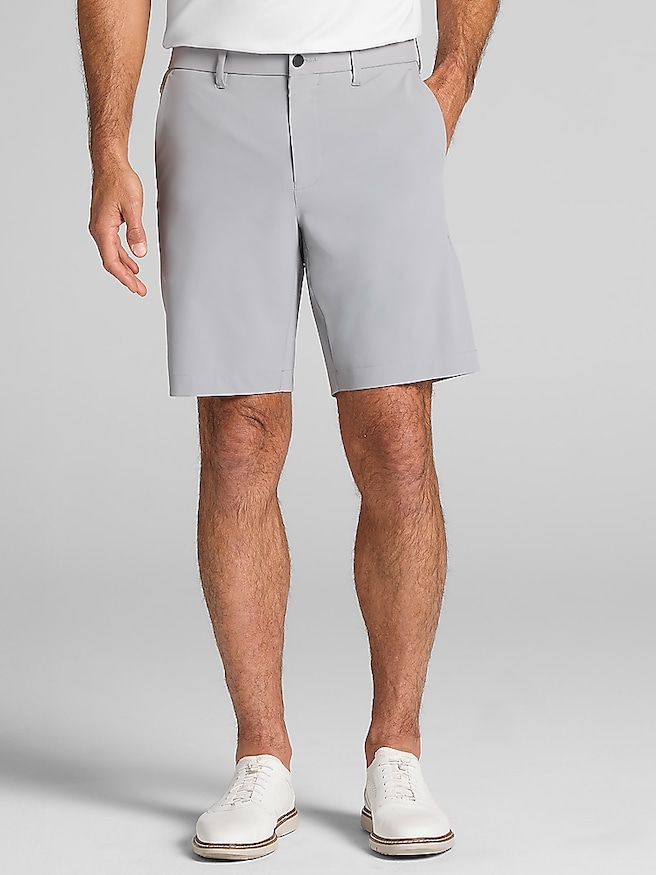
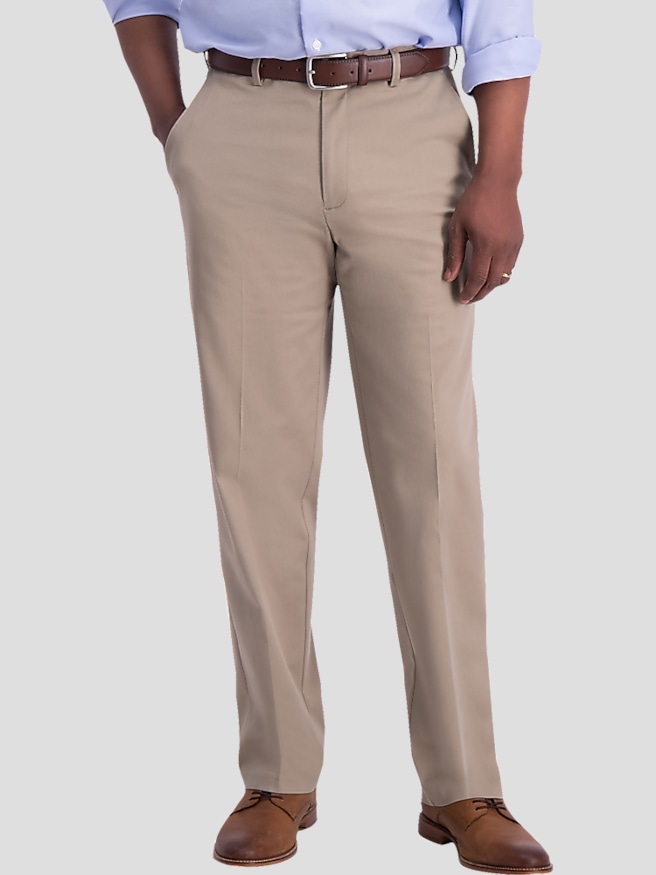
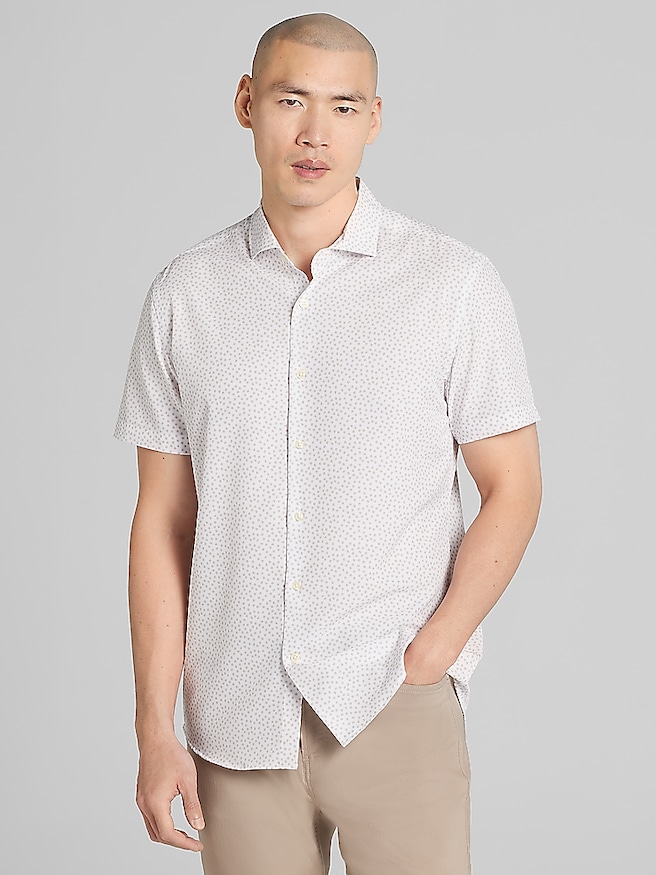
Men's flat-front shorts have a smooth front without pleats below the waistband, giving them a clean, streamlined appearance for everyday and smart-casual outfits. The shape keeps extra folds of fabric away from the hips while leaving room for a comfortable fit through the seat and thighs. That simple construction works with a tucked polo, an untucked button-down, or a plain T-shirt, making flat-front shorts a versatile choice for casual lunches, sightseeing, backyard gatherings, and relaxed weekends. Flat front describes the construction, not a single silhouette: a slim cut follows the leg more closely, a regular cut offers a balanced shape, and a relaxed cut provides additional room. A comfortable waistband should sit securely without digging in or relying on a tightly cinched belt. Across the front, the fabric should lie smoothly rather than pull into horizontal lines, and the side pockets should stay reasonably flat instead of flaring open. Enough room through the thighs makes a noticeable difference when sitting down at a café table, climbing stairs, or getting into a car. Inseam length also changes the overall proportion. A 5-inch inseam generally creates a shorter look, a 7-inch inseam often falls around mid-thigh, and a 9-inch inseam provides more coverage, although the exact position depends on height, leg length, and where the waistband sits. Longer inseams may finish near the knee on some builds, while the same measurement can land well above it on taller frames. The most balanced length leaves the hem clear of the knee without making the leg opening look excessively wide or restrictive. Rise matters just as much as length: shorts that sit higher or lower on the waist can feel quite distinct even when their labeled waist measurements match. Flat-front construction can suit many builds; comfort comes from the cut and proportions rather than the absence of pleats alone.
Fabric gives flat-front shorts much of their character, from the familiar texture of cotton twill to the lighter drape of linen blends. Cotton twill has a diagonal weave and enough structure to support a crisp pocket opening and a tidy hem, making it a natural match for chino-style shorts. It feels comfortable against the skin, though all-cotton fabric can crease with wear and may need pressing for a smoother finish. A small amount of elastane or spandex adds give for bending and sitting without necessarily changing the tailored appearance. Stretch is helpful for movement, but it should complement a suitable fit rather than compensate for shorts that are too tight. Linen has a more textured surface and a relaxed drape, with natural wrinkles that are part of its appearance. Blending linen with cotton or other fibers can change its softness, structure, and care requirements. Performance fabrics, often made with polyester or nylon, can offer a lighter feel and easier movement for travel or golf. Moisture management, quick drying, and wrinkle resistance depend on the fabric and finish, so those features should be confirmed in the garment details rather than assumed from the fiber name. Construction deserves attention alongside material. Neat stitching at pocket corners, a secure waistband closure, and an even hem help shorts withstand repeated wear. Pocket placement affects both appearance and practicality: angled front pockets create a familiar chino look, while discreet back pockets keep the rear profile simple. Overfilled pockets can distort even a well-cut pair, especially in lightweight fabric. A phone, keys, and a slim wallet are easier to carry comfortably when the pocket depth suits them and the fabric has enough body to support their weight. For long drives or a full afternoon on foot, a comfortable rise, smooth interior seams, and freedom through the seat can matter more than a sharply tapered leg.
Color and styling make men's flat-front shorts easy to work into an established casual wardrobe. Khaki, navy, gray, and olive pair naturally with a broad range of shirts, while a subtle pattern or textured weave adds interest without requiring an elaborate outfit. A navy polo with khaki shorts and simple leather sneakers feels put together for lunch with friends; an Oxford-cloth shirt with a softly rolled sleeve gives the same shorts a slightly more polished direction. A T-shirt and canvas sneakers keep the look uncomplicated for errands or a casual afternoon out. Shirt length helps preserve the proportions: an untucked hem should not cover so much of the shorts that the outfit looks top-heavy, while a tucked shirt benefits from a waistband that lies flat. A belt can provide a finishing detail when the shorts have belt loops, but it should not be needed to gather excess fabric around the waist. Shorts still belong to casual settings, and a clean front does not make them a substitute for full-length pants at an occasion with a more formal dress code. For settings that call for additional coverage while keeping a similarly smooth silhouette, Flat Front Trousers offer a related approach to dressing. Flat-front shorts can also make a practical gift for a dad, brother, partner, or friend when the recipient's usual waist size, preferred inseam, and favorite fit are known. An existing pair that fits well provides a more useful reference than waist size alone. Care helps preserve that fit over time. Follow the garment's care label, empty pockets before washing, and treat marks promptly with a method suited to the fabric. Where machine washing is permitted, similar colors and a gentle cycle can help limit unnecessary wear. Excessive dryer heat can affect dimensions and stretch recovery, so use the recommended drying method. Smooth the waistband and hems after laundering, and press only at a temperature appropriate for the fiber blend. These small habits help preserve the uncomplicated shape that defines flat-front shorts.