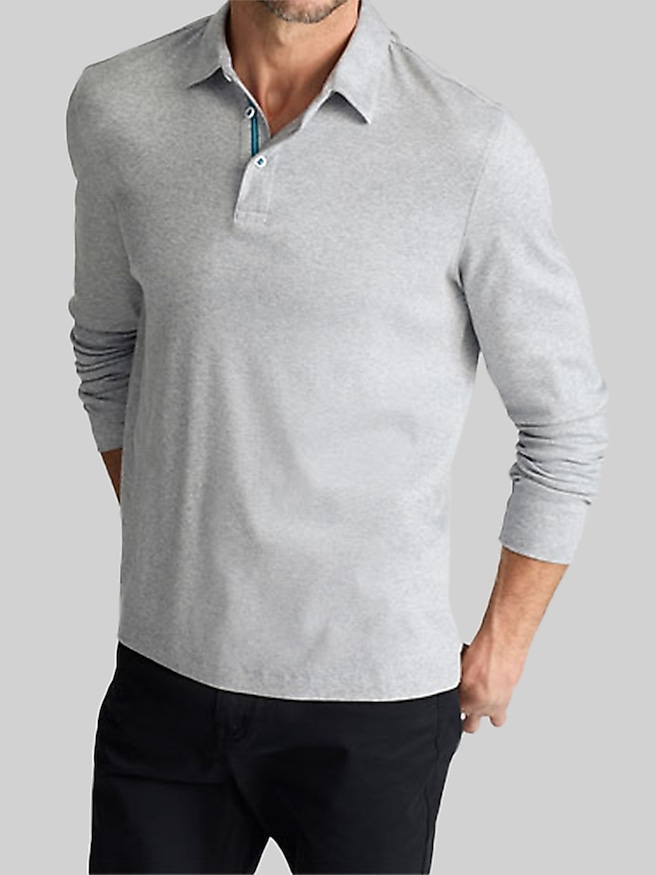
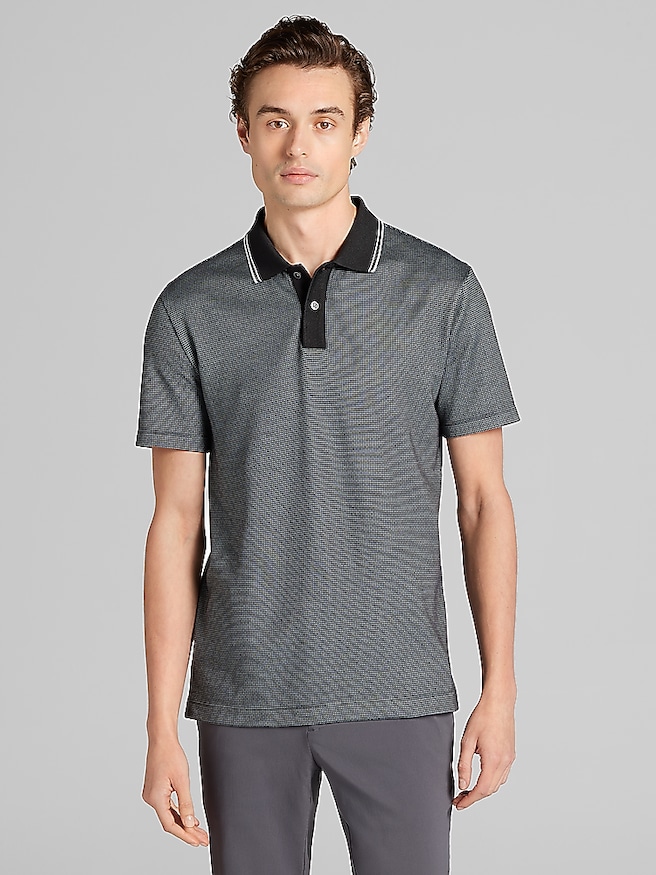
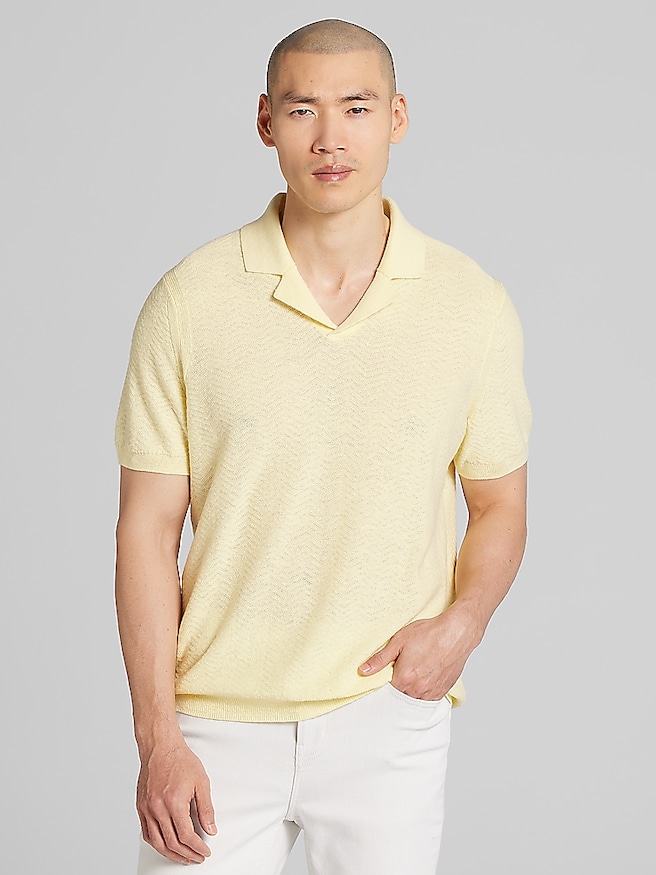
Fitted polos are collared knit shirts with a closer shape through the chest, waist, and sleeves than a traditional relaxed polo. They bring together the ease of a T-shirt and the more finished appearance of a button-front shirt, making them a useful choice for business-casual offices, dinners, travel, and everyday plans. A well-proportioned fitted polo follows the body without pulling across the chest or clinging at the middle. The shoulder seams generally sit near the ends of the shoulders, while the sleeves frame the upper arms without digging in when elbows bend. That balance matters when reaching for a bag, sitting through a meeting, or driving across town: a sharp silhouette should still leave room to move. Slim-fit and athletic-fit polos can both create a tailored look, but the terms are not interchangeable. A slim fit typically reduces room throughout the torso, while an athletic fit may accommodate a broader chest and shoulders with a more tapered waist. Exact proportions vary by maker, so measurements are more useful than a fit label alone. Shirt length also changes the overall effect. A hem that falls around the middle of the fly often works well untucked, while additional length can help a polo stay tucked into trousers. Side vents can make the hem sit more comfortably over the hips, particularly when seated. The collar and placket contribute just as much to the finished appearance as the torso shape. A collar that lies flat and a button placket that rests smoothly help the shirt look composed without requiring a tie. Leaving one or two buttons open creates an easy neckline; the right opening depends on the depth of the placket and personal preference. For someone who likes clean lines but finds a dress shirt too formal for the occasion, a fitted polo offers a practical middle ground, with enough structure to look intentional and enough flexibility for a full day of wear.
Fabric gives fitted polos much of their character, from the texture visible across a room to the way the shirt feels against the skin. Cotton piqué has a small, raised knit pattern that adds dimension and helps the fabric hold its shape. Its lightly textured surface works particularly well with chinos and other casual trousers. Cotton jersey has a smoother face and a softer drape, creating a streamlined look that can sit neatly beneath an unstructured jacket. Neither construction automatically guarantees a closer fit; the cut, fabric weight, and amount of stretch all influence how a polo hangs. A cotton blend with a small amount of spandex can provide extra give across the shoulders and arms, while polyester-rich performance fabrics may offer moisture-wicking or quick-drying properties when those features are specified. Those qualities can be useful for an active commute, a round of golf, or a day that includes plenty of walking. Performance fabric does not have to look sporty, and a smooth knit can work with tailored separates when the collar and proportions are understated. For a more substantial appearance, a denser knit can provide coverage and a steadier drape, though weight alone does not determine quality. Consistent stitching, a flat placket, secure buttons, and evenly finished hems are useful details to assess. Ribbed sleeve cuffs should recover after stretching rather than remain loose. Care also plays a meaningful role in how long a fitted polo keeps its shape. The garment’s care label takes priority because cotton, blended fibers, and specialized finishes can need different treatment. Where machine washing is permitted, washing with similar colors and avoiding excessive heat can help protect the fabric and reduce unnecessary shrinkage. Turning the shirt inside out can limit surface abrasion, and closing buttons before washing may help reduce snagging. Promptly removing the polo from the washer or dryer can minimize creasing. Folding knits for storage can also help prevent stretched shoulders, especially with heavier fabrics. A close-fitting shirt depends on its proportions, so preserving its original shape is just as important as keeping it clean.
Color, pattern, and the surrounding outfit determine whether a fitted polo feels understated, relaxed, or more dressed up. Solid navy, black, gray, and white create straightforward combinations with trousers, while richer colors can add interest without changing the simplicity of the silhouette. A tonal pairing, such as a dark polo with similarly shaded trousers, creates a continuous line; a lighter shirt against darker pants makes the collar and upper body more prominent. For added visual detail, Patterned Polos bring stripes, geometric designs, and other motifs into the same familiar shape. Smaller patterns tend to blend more quietly into an outfit, while larger designs become a stronger focal point. Keeping the pants and shoes relatively simple lets that detail stand on its own. With chinos and leather sneakers, a fitted polo suits a casual lunch or an afternoon gathering. Tucked into tailored trousers with loafers and a coordinated belt, it can feel appropriate for an office that permits collared knit shirts. Under a sport coat, a smooth polo offers a less formal alternative to a woven shirt, provided the jacket has enough room through the sleeves and chest to avoid bunching. The polo collar should sit neatly rather than curl beneath the lapels. Dress expectations still matter: a fitted polo is not a substitute for a dress shirt when an invitation specifies formal attire. Its strength is versatility within casual and business-casual settings, especially for someone who wants to move between plans without a complete change of clothes. That versatility also makes a polo a thoughtful gift for a partner, parent, graduate, or friend whose routine includes relaxed offices, dinners, or travel. Familiar colors and a preferred sleeve length are useful starting points, but the recipient’s usual fit matters most. Measurements from a shirt that already fits comfortably can be more dependable than assuming the same size works across every cut. The most useful fitted polo is one that complements the wearer’s proportions, feels comfortable in motion, and fits naturally into the way they dress.