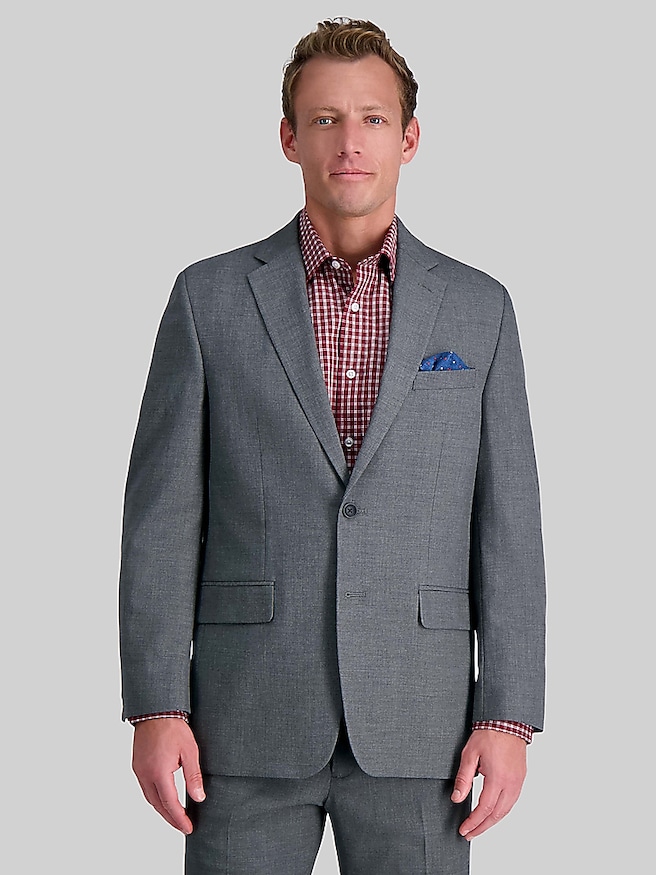
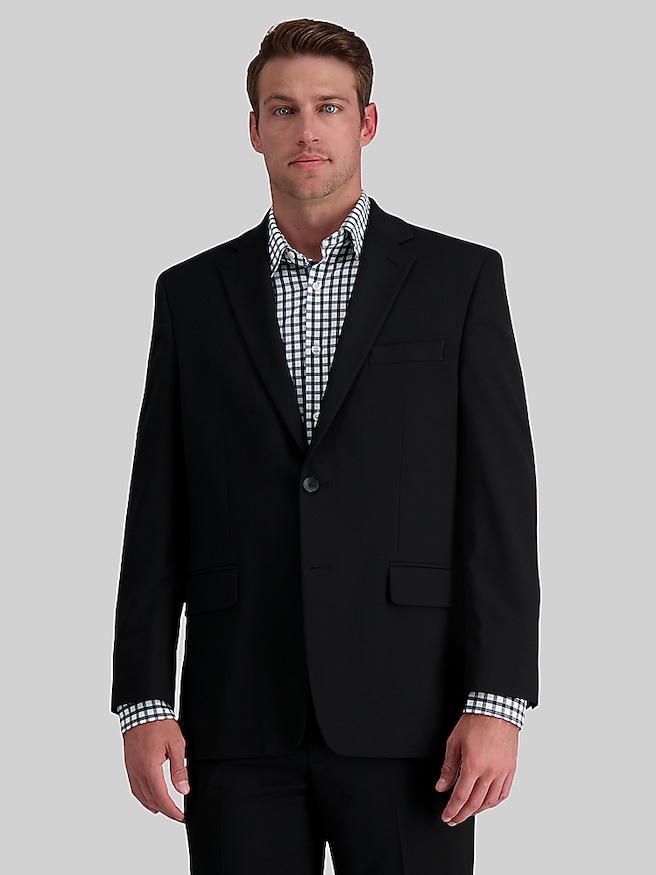
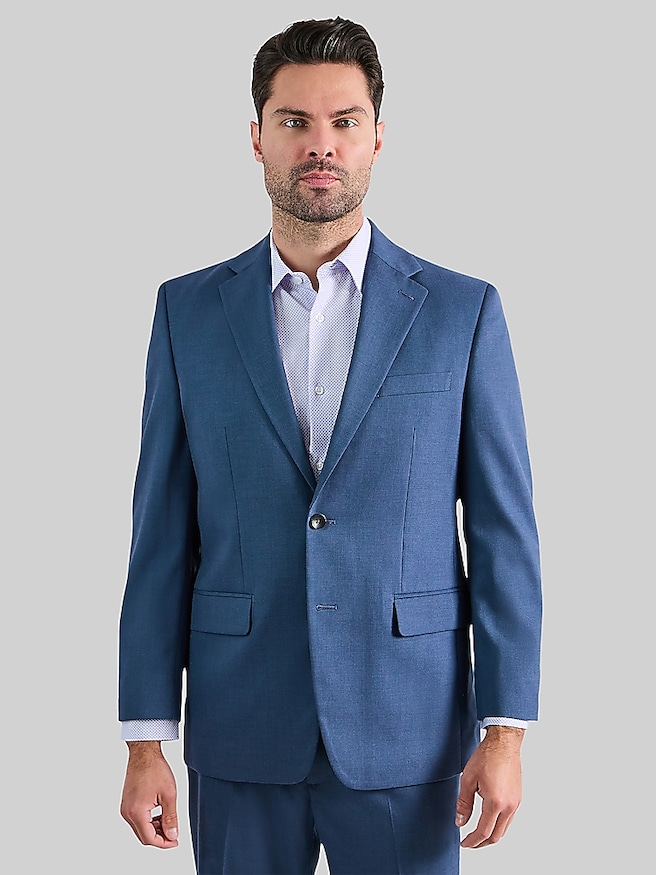
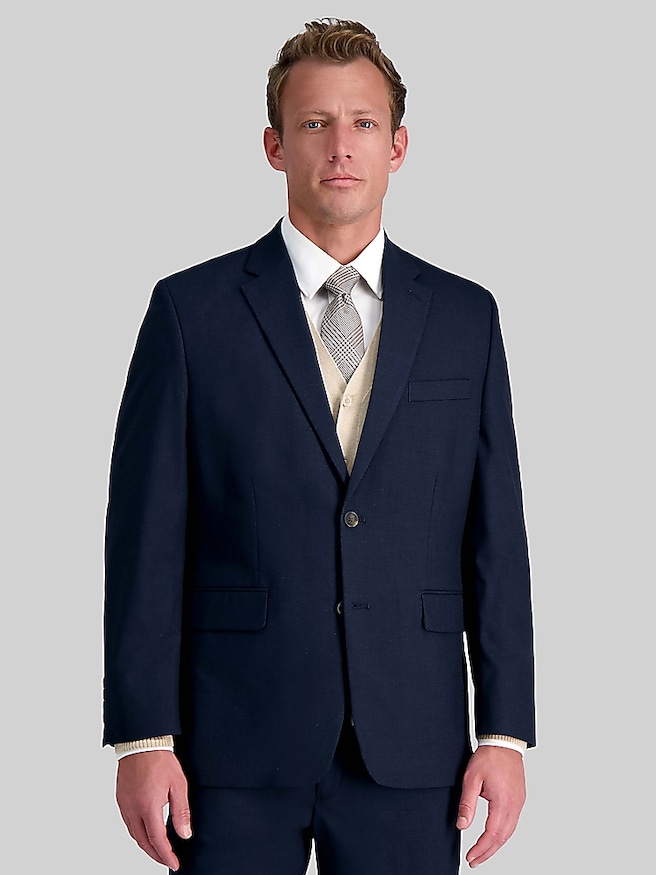
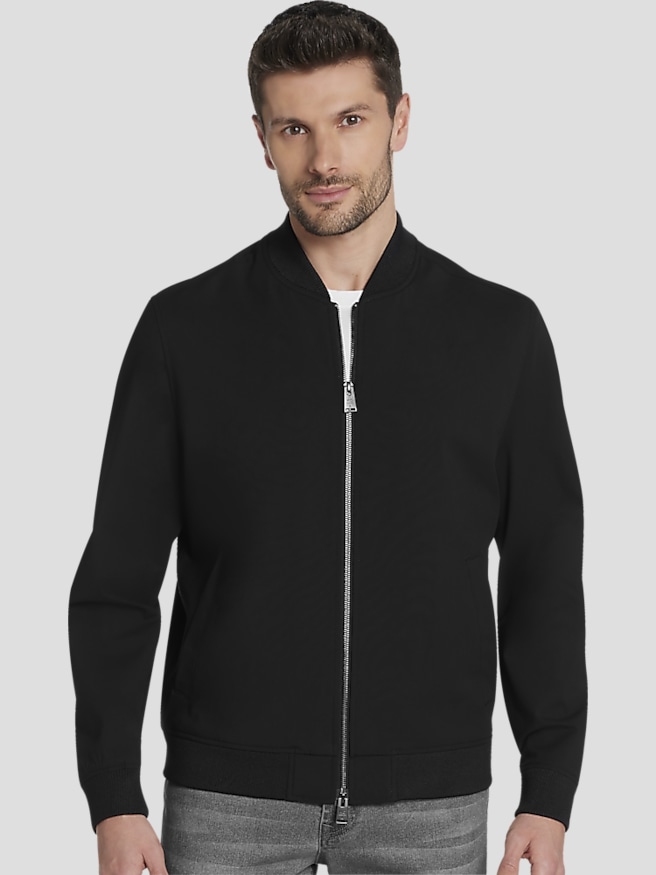
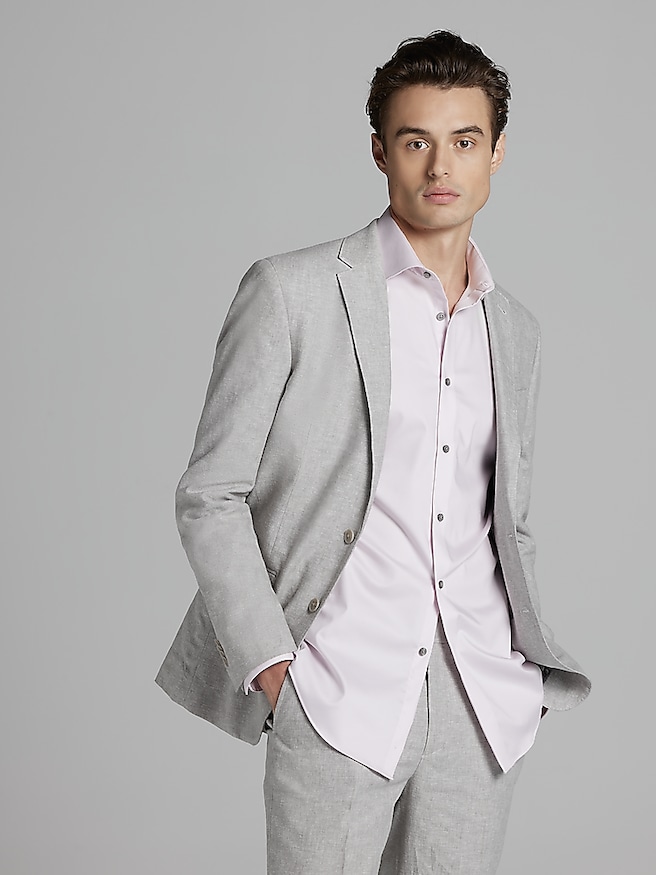
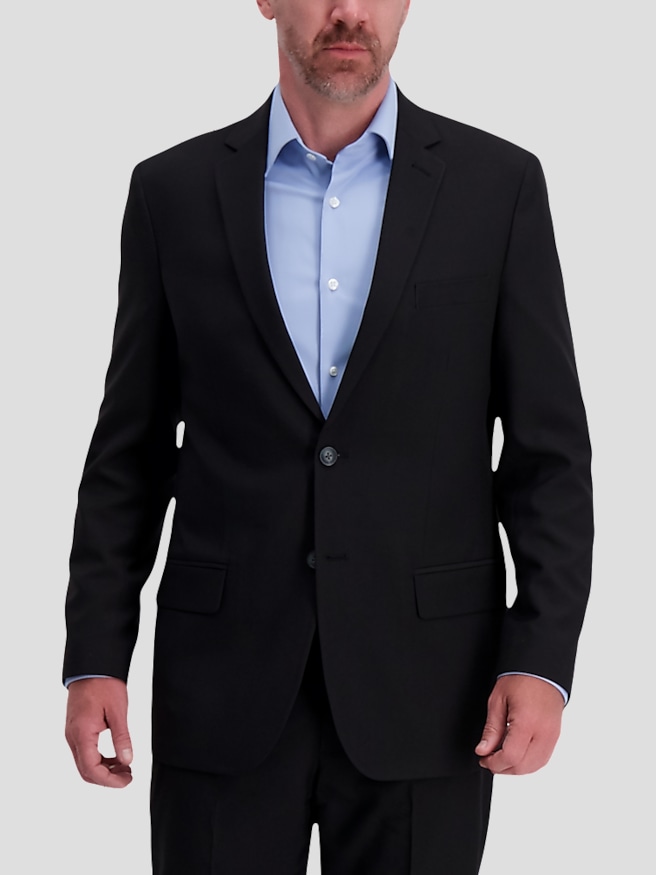
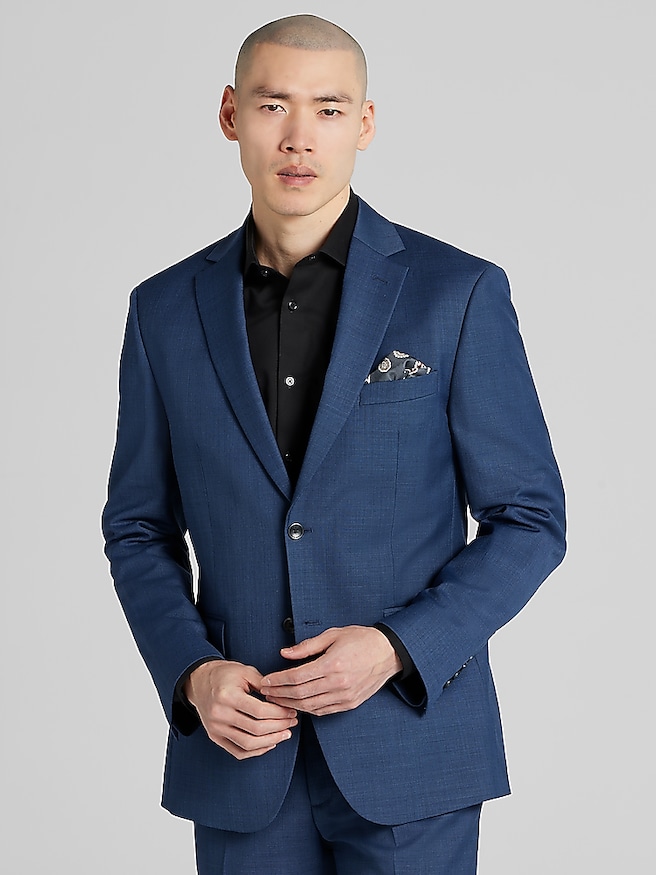
Finding the right fit jacket starts with the shoulders, because this is the area that gives the garment its structure and is the most difficult to alter. The shoulder seams should rest directly over your natural shoulder bones rather than drooping down the arm or pulling inward toward the neck. When you stand naturally, the fabric across the chest and upper back should lie smoothly, without diagonal strain lines, rippling, or a button that looks ready to spring open. A well-fitting jacket follows your shape while leaving enough room for comfortable movement and the layers you are likely to wear beneath it. Button a tailored jacket while standing and check that the front closes without pulling; the waist should contour gently, with roughly enough room to slide a fist between your midsection and the fabric. The hem should generally cover the seat and fall around the middle of the thumb when your arms hang at your sides. Sleeves should end at the wrist bone, allowing approximately half an inch of shirt cuff to show for a clean, intentional finish. These details create the balanced silhouette associated with a polished suit jacket or blazer, whether you are dressing for a ceremony, a professional setting, dinner, or an occasion that calls for a sharper appearance. For a more detailed selection of structured options, explore Tailored Suit Jackets, where proportion and clean lines are central to the overall look.
The best fit also depends on how a jacket will be worn. A jacket intended for layering during cooler months may need a little more room through the chest and armholes than one worn over a lightweight dress shirt. That extra space should feel purposeful rather than oversized: you should be able to reach forward, cross your arms, and sit without the back tightening across your shoulder blades. For casual jackets, bombers, field-inspired styles, and other everyday layers, check that the cuffs stay comfortably at the wrist, the collar rests close without pressing against the neck, and the hem sits where it complements the proportions of your torso. Outerwear should leave enough room for a sweater without creating excess fabric at the sides. Try on a jacket with the type of shirt or knitwear you expect to wear most often, then raise your arms and take a few steps. A jacket that looks excellent while standing still but rides up, twists, or restricts movement is unlikely to become a reliable part of your wardrobe. Fabric matters as well. Wool and wool-blend jackets often offer a structured drape and natural breathability, while cotton, performance blends, and quilted materials can provide a more relaxed feel for commuting and daily wear. Consider the weight, texture, lining, closure, pockets, and care instructions alongside the size. During the transition between mild afternoons and cooler mornings, versatile layers are especially useful, allowing you to move from a bright outdoor gathering to an air-conditioned room or a brisk evening without sacrificing comfort.
A fit jacket can serve as an important wardrobe foundation or a thoughtful gift for a man who is refining his personal style. It is a practical choice for someone beginning a new job, preparing for interviews, attending weddings and celebrations, or building a small collection of dependable layers. When selecting one for another person, pay attention to his usual size, preferred silhouette, and the clothing he already wears. Someone who favors crisp button-down shirts may appreciate a more structured cut, while a relaxed dresser may reach more often for a jacket with natural stretch, an easier fit, or understated details. If measurements are available, compare chest, shoulder, sleeve, and jacket-length information rather than relying on size alone, since proportions can vary significantly from one cut to another. A tailor can often make useful refinements to sleeve length, the jacket body, or the waist, but shoulders that are too narrow or too broad are much harder to correct, making the initial shoulder fit especially important. Stand in natural light and inspect the jacket from the front, side, and back: the collar should sit neatly against the shirt collar, the lapels should lie flat, and the back should remain smooth when you move. A good jacket should feel comfortable the first time it is worn yet look even better once paired with familiar trousers, polished shoes, or a simple knit. As the weather shifts into cooler months, the right fit jacket brings together comfort, confidence, and versatility, giving its wearer an easy layer for workdays, travel, gatherings, and the many occasions that fill the season.