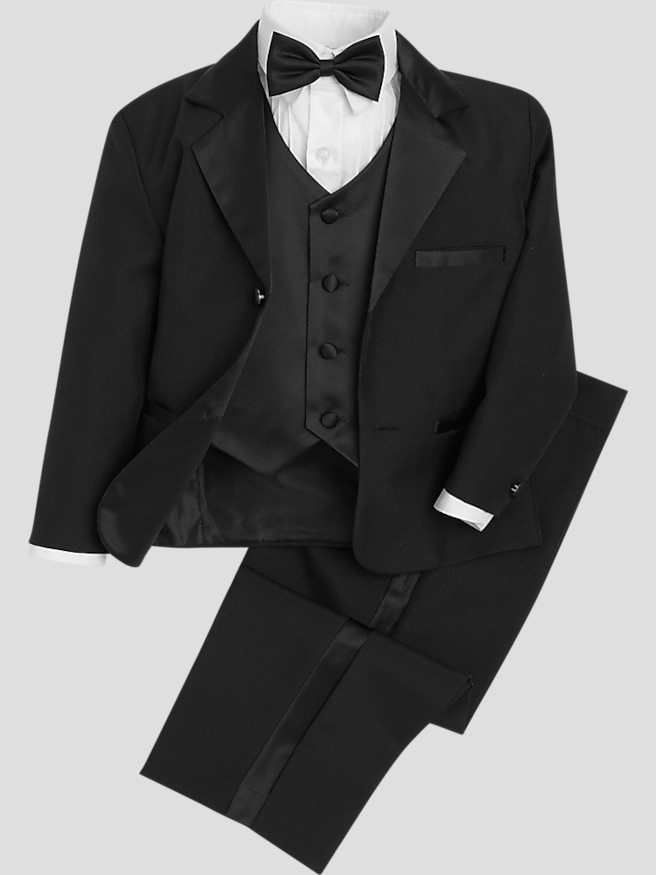
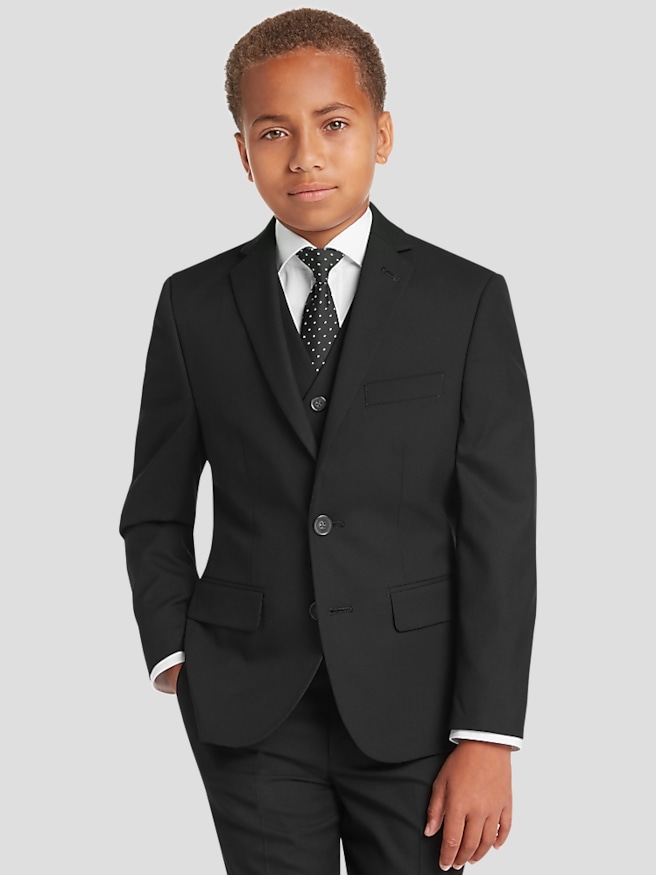
First Communion outfits for boys are traditionally modest, dressy ensembles chosen to reflect the reverence of the religious ceremony. A suit or a tailored jacket with dress pants, a collared shirt, understated neckwear, and polished dress shoes provides a classic foundation. In Catholic communities, First Communion marks a child’s first reception of the Eucharist, so clothing generally emphasizes neatness, simplicity, and respect rather than elaborate decoration. Parish requirements take priority: some churches request a particular color or coordinated appearance, while others allow families more flexibility. White and ivory can have ceremonial significance, while navy, gray, and other restrained neutrals offer a familiar formal look when permitted. A white dress shirt brings a crisp finish to many combinations, and a simple tie can add definition without drawing attention away from the occasion. The most appropriate outfit also feels recognizable to the child wearing it. A jacket with a natural shoulder line, pants that hang smoothly, and shoes that feel secure can help formal clothing feel less unfamiliar during the procession and service. Small details make a visible difference in close-up photographs: a collar that sits flat, a centered tie, clean cuffs, and a hem that does not bunch over the shoes create a composed appearance without unnecessary embellishment. For ceremonies that include a robe or another parish-provided garment, the clothing underneath still matters, particularly at the neckline, sleeves, and hem. A coordinated ensemble should accommodate those requirements without adding awkward bulk. The same thoughtful simplicity carries through to the gathering afterward, whether the family celebrates with a meal at home or a larger reception. First Communion clothing works best when it honors the setting, suits the child’s proportions, and remains comfortable enough for standing beside relatives, sitting through the service, and joining family photographs. The result is formal attire with a clear purpose: helping a child participate comfortably and respectfully in an important faith milestone, with a polished appearance that feels appropriate from the church entrance to the final family portrait.
Fabric and construction influence how First Communion clothing feels throughout a day that may involve walking, sitting, kneeling, and repeated photographs. Wool and wool-blend suiting can offer a smooth drape and a structured appearance, while cotton shirts provide a familiar feel against the skin. Blended fabrics may contribute wrinkle resistance or easier maintenance, depending on their composition and care instructions. A small amount of stretch can allow more freedom of movement, but it does not replace a well-proportioned fit. Smooth linings, neatly finished seams, and a waistband that rests comfortably can matter more to a child than decorative details. At the shoulders, a jacket should lie cleanly without extending noticeably beyond the natural shoulder. Across the chest, it should close without pulling into pronounced creases; through the sleeves, it should allow comfortable movement without swallowing the hands. Dress pants need enough room for sitting and kneeling without feeling loose or slipping at the waist. Excess length can collect over the shoes or become a distraction when walking, while an excessively close fit may restrict movement during the service. A brief try-on that includes sitting in a chair, bending the knees, and reaching forward gives a more useful impression than standing still in front of a mirror. Shoes deserve the same attention: a secure heel, adequate toe room, and comfortable socks help keep the focus on the ceremony rather than an uncomfortable seam or slipping foot. Durability comes from the combination of suitable fabric, sound stitching, and a fit that does not place constant strain on closures or seams. Care should follow the garment label rather than a single rule for the whole outfit. Some tailored pieces require professional cleaning, while certain shirts and pants allow machine washing. Hanging garments properly, addressing marks according to the fabric instructions, and using an appropriate pressing method help preserve their finish. An adult can also check care labels before applying steam or heat, since different fibers and trims do not respond in the same way.
A cohesive First Communion outfit does not need many competing details. A restrained color palette gives each element a clear role, with the jacket and pants establishing the overall shape and the shirt providing a clean backdrop. Neckwear can remain simple in pattern and proportion, especially on a smaller frame; a narrow, neatly arranged tie generally looks more balanced than one that overwhelms the shirt front. Belts, when needed, should sit comfortably and coordinate with the formality of the shoes rather than become a focal point. Accessories requested by the parish belong within that same balanced approach, with enough space for a ceremonial pin or other approved detail to sit neatly. For families considering clothing that can serve beyond one occasion, familiar tailoring and versatile colors can make the ensemble appropriate for other church services, weddings, or formal family gatherings, provided the dress expectations align. A jacket may pair with other dress pants later, and a simple shirt can remain useful as part of another polished combination. Broader inspiration for similarly respectful dressing can be found in Formal Church Outfits, where the same principles of modest styling, considered fit, and understated coordination apply. Clothing can also be a meaningful First Communion gift from grandparents, godparents, or other close relatives when the choice is coordinated with the family and the parish’s expectations. Accurate measurements and the child’s comfort preferences are especially important when someone else is selecting the ensemble. Children grow at different rates, so the size printed on a label is only a starting point; shoulder width, waist placement, sleeve length, and the garment’s actual proportions provide a clearer picture. A final fitting with the intended shirt, socks, and shoes helps reveal details that separate try-ons can miss. With thoughtful proportions and appropriate finishing touches, First Communion attire can look special without feeling like a costume, leaving the child free to take part in the ceremony and the family free to remember the meaning of the day.