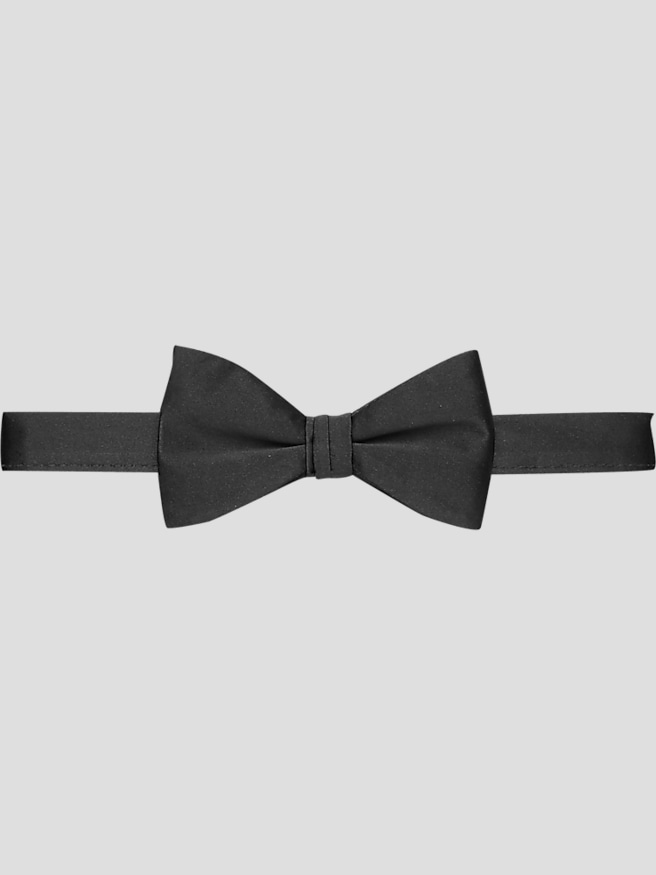
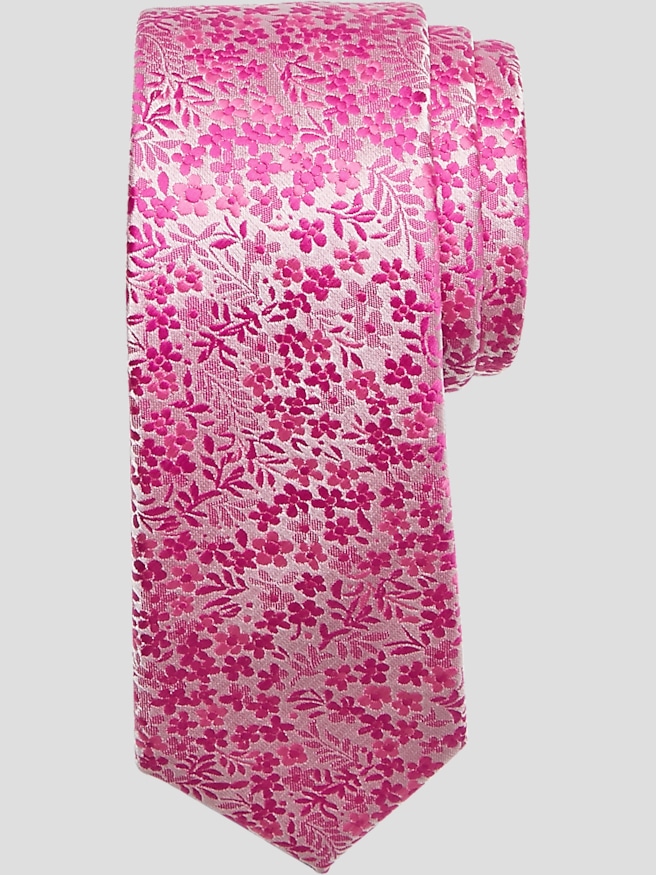
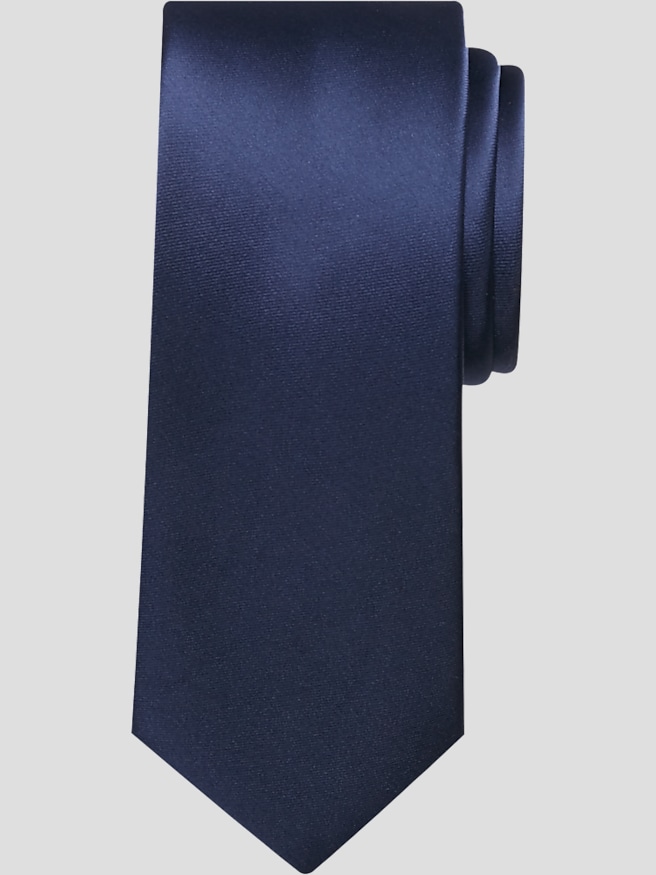
Father’s Day ties make personal, practical gifts for dads who wear neckwear to work, family celebrations, religious services, or an evening out. A well-chosen tie reflects something recognizable about the person receiving it: a favorite color, a preference for understated tailoring, or an easy confidence with a lively print. For a father who wears a suit most weekdays, versatility may matter more than novelty. Navy, burgundy, deep green, and muted neutrals can work with familiar shirt and jacket combinations without making every outfit look alike. For a grandfather who saves his ties for special occasions, a refined texture or distinctive pattern can give a favorite suit a fresh point of interest. A first Father’s Day gift can carry a similar sense of occasion while remaining useful long after the celebration. Start with the clothes he actually wears rather than an imagined dress code. A closet filled with blue shirts and gray tailoring suggests a useful color palette; a preference for checked sport coats calls for patterns that will not compete. Choosing Father’s Day Patterned Ties is often a matter of balancing personality with proportion. Fine dots and small geometric repeats can read almost like a solid from across the room, while broad stripes or larger motifs become a more visible part of the outfit. When combining patterns, varying their scale usually creates a clearer result than matching their size exactly. A small-check shirt, for example, can sit comfortably beside a tie with widely spaced stripes. A solid shirt gives a more expressive design room to stand out. Humor can have a place in a Father’s Day gift, too, especially when the design connects to a genuine interest, but the most wearable choice still feels natural with Dad’s usual clothes. The goal is not to replace his style with something unfamiliar; it is to recognize it in a detail he can enjoy wearing.
Fabric changes how a tie looks, knots, and holds its shape, making material an important part of choosing Father’s Day ties. Silk is valued for its smooth feel, rich color, and ability to form a clean knot, though its appearance varies considerably with the weave. A woven silk tie may have noticeable texture and body, while a printed silk tie often has a smoother surface that lets the design take focus. Cotton and linen generally have a more matte appearance and can complement relaxed tailoring; they also tend to show creasing more readily. Wool brings a soft, substantial texture that works particularly well with textured jackets. Knit construction creates another distinct look, often with a less formal character than a smooth woven tie. None of these choices is automatically better than the others: the useful comparison is how the fabric suits the recipient’s wardrobe, preferred knot, and typical occasions. Construction matters alongside fiber content. Neat edges, secure stitching, and a shape that hangs without twisting are useful signs of careful finishing. The lining contributes to the tie’s body, so a thicker feel does not necessarily mean a better tie. Fit deserves equal attention because neckwear has to work with the wearer’s height, torso, collar, and trouser rise. When tied, the front blade should generally finish around the waistband or belt buckle rather than stopping high on the shirt or extending well below it. A taller wearer, a larger neck size, or a fuller knot may call for additional length. Width is best considered beside jacket lapels and overall proportions, not as an isolated measurement. A narrow tie can look out of balance against broad lapels, just as a very wide tie can overwhelm a slim jacket. A four-in-hand produces a relatively compact, slightly asymmetrical knot, while a half-Windsor creates a fuller triangular shape. The collar opening should frame the knot comfortably, without squeezing it or leaving excessive space on either side.
Everyday handling helps a thoughtful gift remain presentable through repeated wear. Untying a necktie after each use, rather than pulling the narrow end through a tightened knot, reduces unnecessary strain on the fabric and stitching. Gently reverse the tying steps and let the tie rest before wearing it again. Most woven ties can be stored hanging smoothly or loosely rolled in a drawer, while knit ties are generally better kept rolled or laid flat to limit stretching. Crowding neckwear against rough hardware or catching it under other accessories can leave snags and creases. Care instructions should always take priority over general cleaning advice because fibers, dyes, and internal construction respond differently to moisture and heat. If food or drink lands on a tie, blot gently with a clean, dry cloth rather than rubbing the spot into the fabric. Avoid experimenting with water or household cleaners on delicate materials, and use professional cleaning when the care label recommends it. Frequent cleaning is not a substitute for careful wear, and unnecessary treatment can affect the finish over time. For a gift recipient who wears ties regularly, an adaptable color and manageable texture may be especially useful; someone who dresses up only occasionally may appreciate a choice that coordinates easily with one dependable suit. Picture the actual setting: a polished knot above a crisp shirt for an important meeting, a subtle pattern beneath a jacket at an anniversary dinner, or a familiar favorite worn for a family photograph. Those situations help distinguish a tie that merely looks appealing in isolation from one that belongs in his wardrobe. A brief personal note explaining the color or pattern choice can make the gift more meaningful without changing its everyday usefulness. Father’s Day ties are at their best when the details feel considered, from the fabric against the collar to the way the design complements clothes he already enjoys wearing.