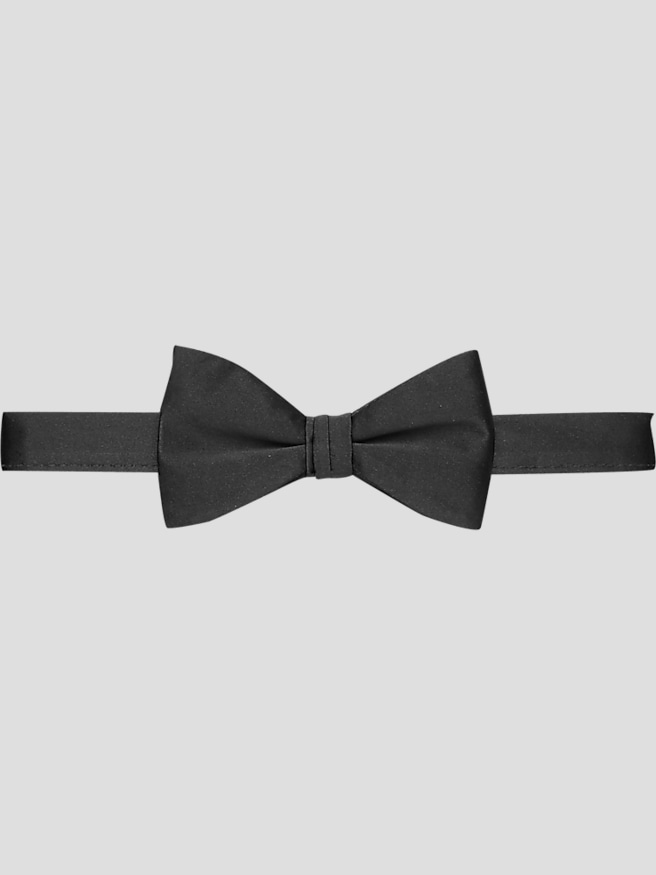
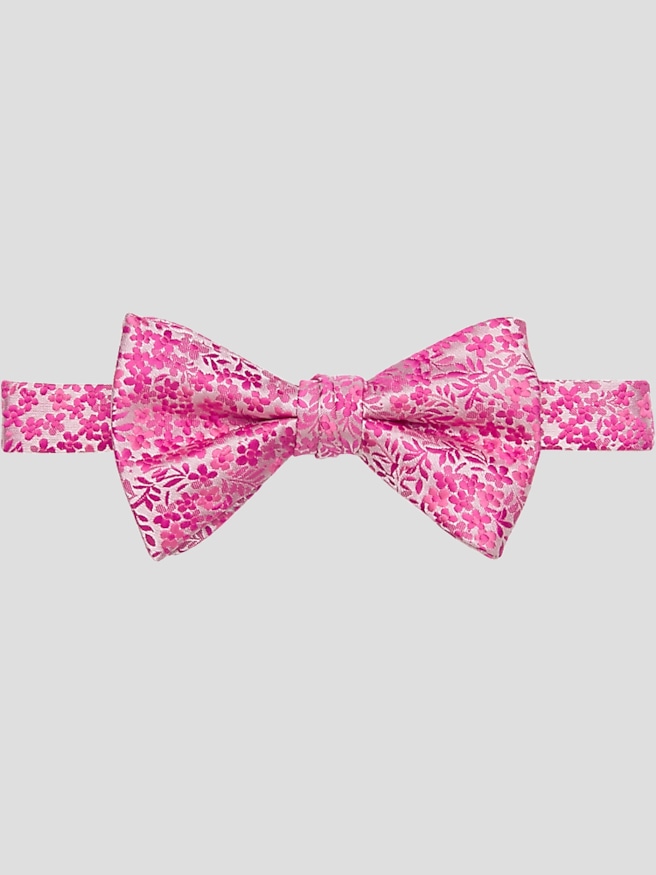
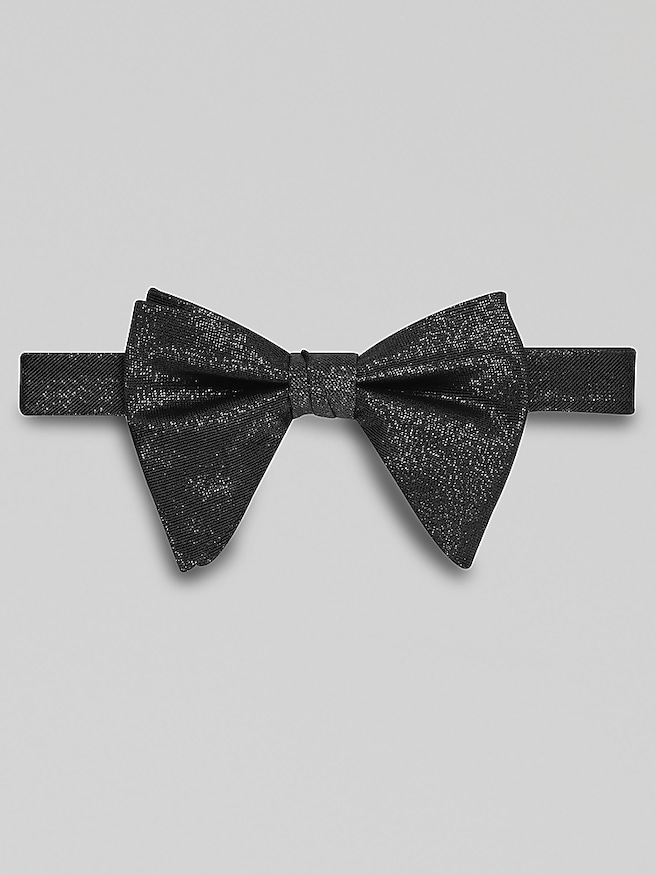
Father’s Day bow ties make thoughtful gifts for dads, grandfathers, and father figures who enjoy putting a personal stamp on what they wear. Small enough to feel like a finishing touch but distinctive enough to shape an entire outfit, a bow tie can reflect a familiar preference: a deep blue that goes with his favorite jacket, a subtle geometric pattern, or a cheerful print that feels right for a family celebration. These accessories suit more than formal occasions. A bow tie can accompany a button-down shirt and chinos for a Father’s Day lunch, add character to a blazer for dinner, or finish a suit for a family portrait. The best choice depends on how the recipient actually dresses. Someone who wears tailored clothing regularly may appreciate a restrained pattern that moves easily between the office and special events, while a dad who saves dressing up for celebrations may enjoy something more expressive. Construction matters, too. Self-tie bow ties let the wearer create the knot by hand, producing the slight irregularity that gives a traditional bow its character. Pre-tied bow ties maintain a consistent shape and usually fasten with an adjustable neckband, making them convenient for someone who prefers a simpler routine. Neither format needs to look oversized or fussy. A balanced bow sits comfortably beneath the collar, with its width complementing the wearer’s face and the scale of the shirt collar rather than stretching far beyond them. Adjustable sizing is useful, but the stated neck-size range still deserves attention, especially when choosing a gift. A neckband should feel secure without pressing into the neck or pulling the collar out of position. For someone who already wears bow ties, a familiar shape in a fresh texture can feel more personal than an entirely unfamiliar style. For a first bow tie, a versatile color and comfortable fit often make the accessory easier to enjoy long after Father’s Day.
Fabric influences a bow tie’s appearance, feel, and everyday practicality. Silk often has a smooth hand and a soft luster that works well with tailored suits, though woven silk can also have a textured, relatively matte finish. Cotton generally offers a more understated look, making it a natural companion to an Oxford shirt or an unstructured sport coat. Linen has a visibly textured surface and a relaxed character; its tendency to crease is part of its appearance rather than necessarily a sign of poor quality. Polyester and other synthetic fabrics can provide a consistent finish and may resist wrinkling, although performance varies with the weave and construction. The fiber label alone does not tell the whole story. A bow tie should have neatly finished edges, secure stitching, and a neckband adjustment that holds its position through normal movement. Its shape should feel balanced rather than stiff or collapsed. Color and pattern then determine how that construction reads in an outfit. A small dot or understated stripe adds interest without competing with a patterned jacket, while a larger motif makes a clearer statement against a solid shirt. For a gift with a more expressive pattern, Father’s Day Floral Bow Ties offer inspiration for pairing botanical details with familiar wardrobe colors. A floral design with navy in the background can connect naturally with a navy blazer, while burgundy, cream, or muted green accents can give a plain shirt more depth. Pattern scale is worth considering: a finely detailed print reads differently from a bold bloom, particularly in family photographs. When both the shirt and bow tie carry a pattern, contrasting their scale helps keep the combination clear. A pocket square can pick up one secondary color without repeating the bow tie exactly. That small distinction helps an outfit feel considered rather than overly coordinated, especially when the bow tie is already the focal point.
A well-chosen Father’s Day bow tie should be enjoyable to wear and straightforward to keep in good condition. Care begins with the label, since fabric blends, dyes, interfacing, and construction can affect the appropriate cleaning method. A bow tie should not be assumed washable simply because its outer fabric is cotton or polyester. Silk and structured styles often benefit from professional cleaning when needed, and spills are best addressed promptly by gently blotting rather than rubbing the surface. Aggressive scrubbing can spread a stain, disturb the weave, or leave a noticeable change in texture. For self-tie styles, carefully undoing the knot after wear helps avoid setting deep creases and puts less strain on the fabric than tugging it loose. Pre-tied styles benefit from storage that protects the formed bow from being crushed beneath heavier accessories. A drawer divider or dedicated accessory box can keep either format clean and easy to find. Any pressing or steaming should follow the care instructions; high heat can damage delicate fibers or alter the finish. These details matter most for a gift intended to become part of a regular rotation rather than something worn once and forgotten. A dad who attends weddings, milestone dinners, performances, or dressier work events may find repeated use for a versatile bow tie, while someone with a more relaxed wardrobe might reserve a playful pattern for family gatherings. Comfort during those occasions depends on the whole combination: a properly fitted shirt collar, a neckband adjusted without tension, and a bow that leaves room for natural movement. For a self-tie newcomer, a little practice before the celebration can make getting dressed feel less rushed. The finished knot does not have to be perfectly symmetrical to look polished. Ultimately, a thoughtful gift reflects the person receiving it, whether that means quiet texture, a crisp traditional shape, or a pattern that earns an appreciative smile across the dinner table. The strongest choice feels like an extension of his style, with enough versatility and sound construction to remain a favorite beyond the occasion.