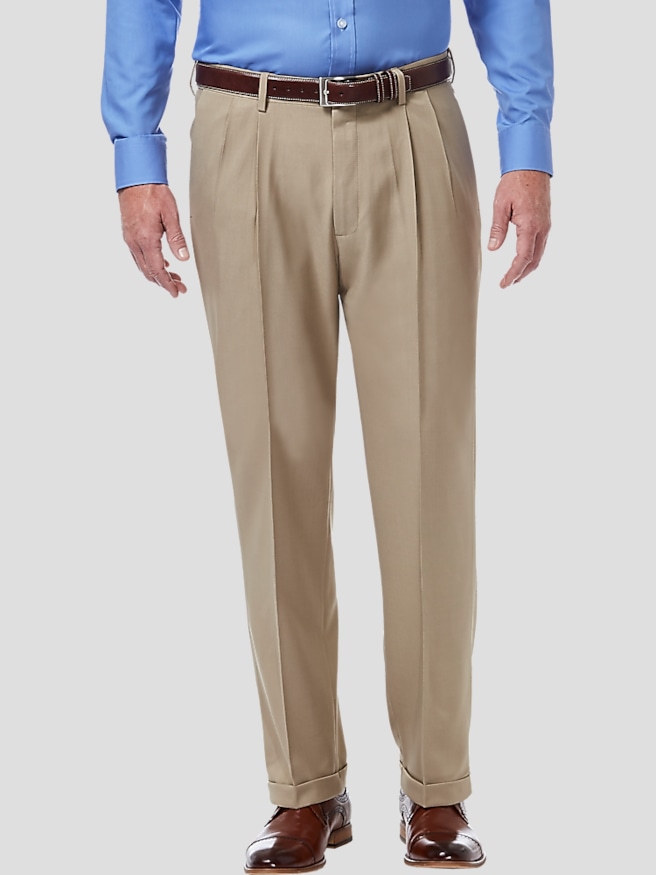
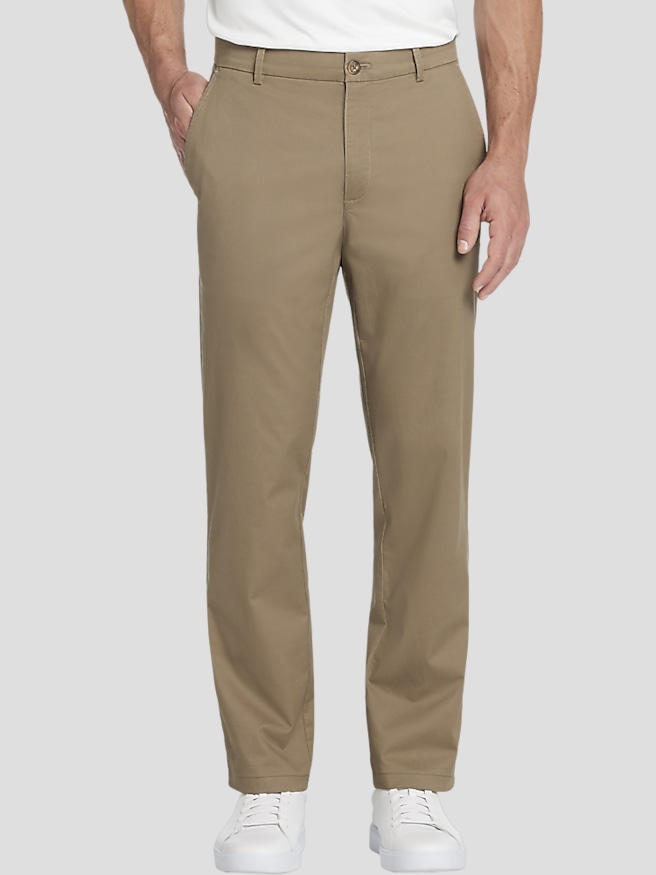
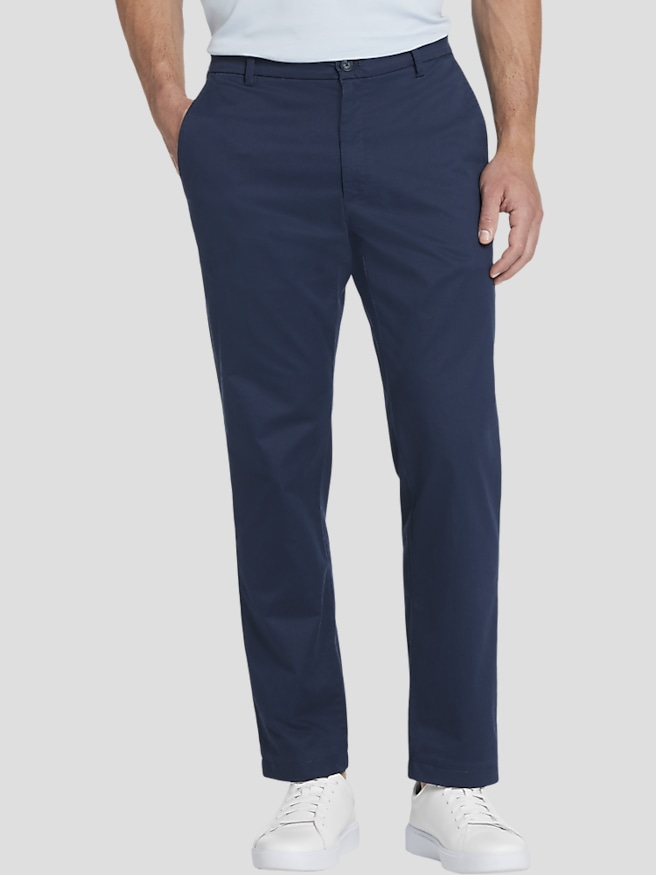
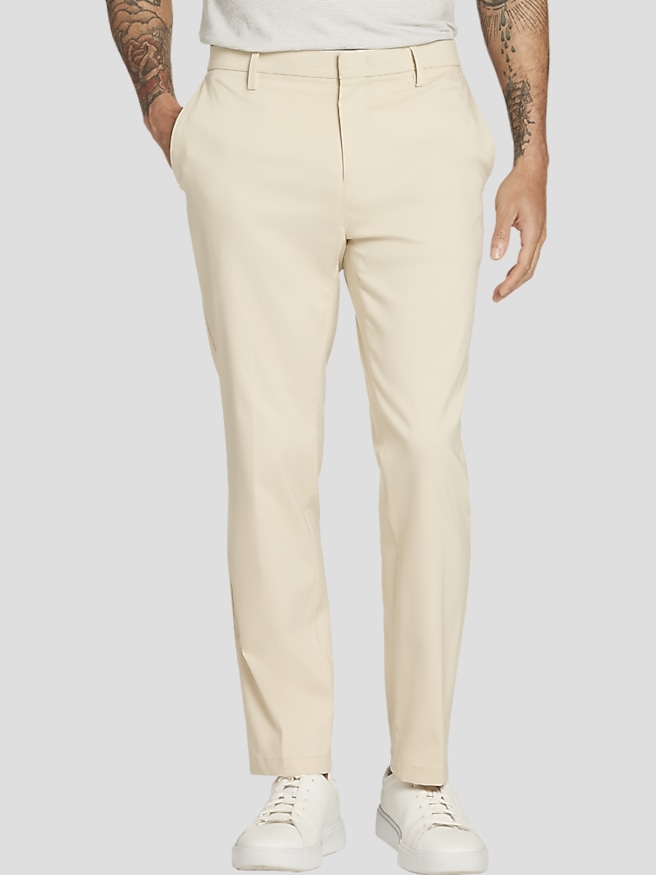
Fashionable chinos bring a tailored appearance to everyday dressing, with enough ease for a full day of sitting, walking, and moving between plans. They occupy a useful space between casual denim and dress trousers: cleaner in outline than jeans, yet typically less formal than the pants worn with a suit. Their defining fabric is cotton twill, recognizable by its subtle diagonal weave, although fiber blends and finishing treatments can give that familiar construction a variety of textures and degrees of stretch. Pure cotton offers a substantial, natural feel that can soften with repeated wear, while cotton blended with elastane adds flexibility through the seat, thighs, and knees. Some blends also incorporate synthetic fibers to support shape retention or help reduce wrinkling, though performance depends on the fabric and construction rather than the fiber name alone. A smooth finish emphasizes crisp lines; a washed finish creates a softer appearance that feels at home beside an untucked button-down or a simple knit polo. Neither approach needs elaborate styling to look considered. A pair in tan, navy, gray, or olive can anchor an outfit without competing with a patterned shirt or textured jacket. Deeper shades often look a little dressier, while lighter neutrals highlight the weave and make details such as pockets, seams, and pleats more noticeable. Khaki describes a color commonly associated with chinos, not the full category, which spans far more than that familiar sandy shade. For an office with a business-casual dress code, chinos can provide the structure needed for meetings without requiring a matching jacket. For dinner, a gallery visit, or a family gathering, the same general silhouette works with a tucked shirt and loafers. Their appeal is not that they imitate formal tailoring, but that they make ordinary outfits feel intentional. A clean waistband, balanced leg shape, and fabric that hangs smoothly often contribute more to that impression than decorative details. The result is a practical foundation for men who prefer clothing that can move comfortably from professional settings to personal plans.
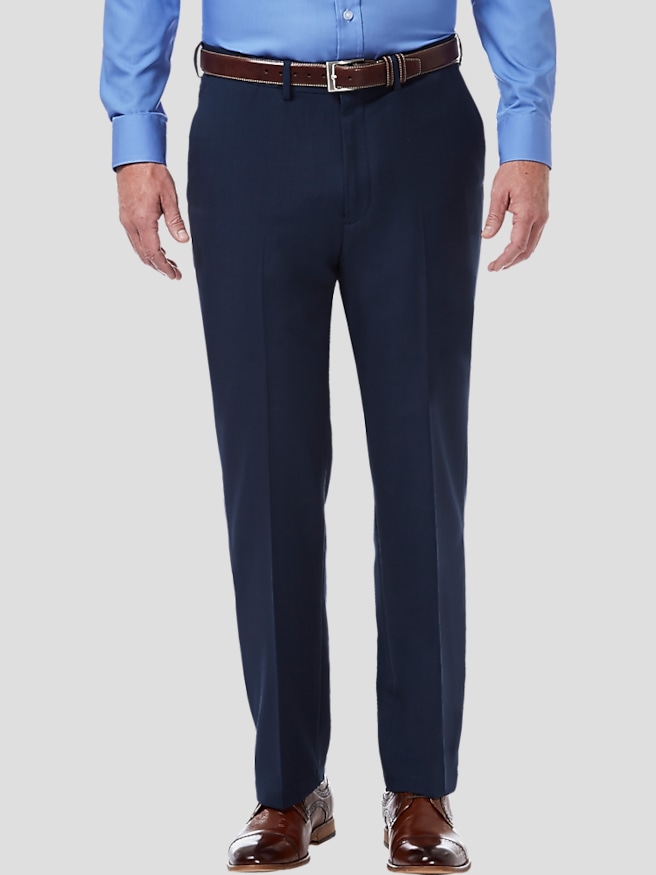
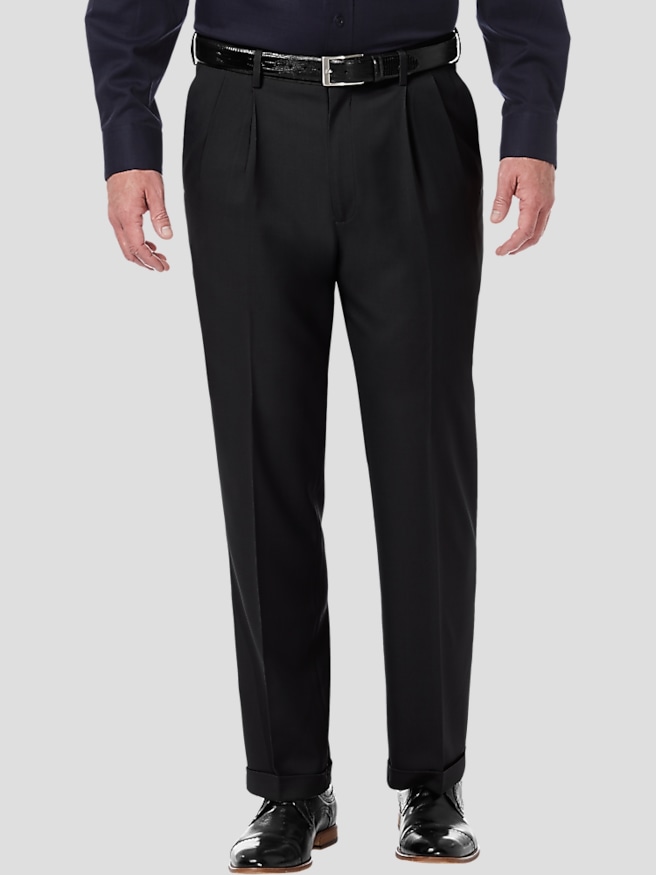
Fit gives chinos much of their character, and a fashionable silhouette does not have to mean the narrowest cut. Slim chinos generally follow the leg more closely, creating a streamlined outline that works well with fitted knitwear and low-profile footwear. Straight-leg chinos leave a more consistent line from the thigh toward the hem, offering room without necessarily looking loose. Relaxed cuts provide additional ease and can look especially balanced with a neatly tucked shirt or a jacket that has some structure through the shoulders. Fit labels are only a starting point; the relationship between waist, rise, thigh room, and leg opening determines how a pair actually wears. The waistband should sit securely without digging in, and front pockets should lie reasonably flat rather than flare outward. Horizontal pulling across the hips or a strained closure can indicate that more room is needed, even when the waist measurement seems correct. A higher rise places the waistband farther up the torso and can create a longer-looking leg line, while a lower rise sits closer to the hips. Flat fronts offer a simple, uncluttered appearance; pleats introduce fullness that can support movement and create a more expressive drape. Both can look polished when the fabric falls cleanly. Length matters just as much as width. A slight break lets the hem meet the top of a loafer or lace-up shoe, while a hem with little or no break creates a sharper outline around the ankle. Excess fabric pooling over footwear can obscure an otherwise well-proportioned fit. These details become clear in familiar moments: sitting through a presentation, stepping into a car, or reaching across a restaurant table. Comfort should hold up through those movements, not just while standing in front of a mirror. Styling follows the same principle of proportion. A substantial shoe can balance a wider leg, while a tapered leg often pairs naturally with streamlined sneakers. A leather belt and tucked Oxford shirt sharpen the effect; an open-collar shirt keeps it easygoing without making it look unfinished.
Fabric quality and careful construction help chinos remain a useful part of a wardrobe beyond their first few outings. Even stitching, secure buttons, neatly finished interior seams, and reinforced stress points around pockets all contribute to dependable wear. Twill construction can support durability, but no single fabric weight or fiber blend guarantees a longer lifespan. Friction at the inner thighs, repeated pressure from a phone in a pocket, and frequent washing can affect how any pair ages. A densely woven fabric may feel more structured, while a lighter, softer cloth may drape more fluidly; the better choice depends on the feel and appearance someone enjoys wearing. Shoppers drawn to a more refined interpretation can explore Luxury Chinos, with attention to the fabric, fit, and finishing details that matter most to their wardrobe. Care deserves the same consideration as appearance. The care label is the best reference because dyes, blends, and finishes may call for distinct cleaning methods. When machine washing is permitted, washing with similar colors and avoiding unnecessary heat can help preserve the fabric’s appearance. Promptly removing chinos from the washer or dryer, where tumble drying is allowed, helps limit deep creases. Pressing at the recommended setting can restore a smooth finish, while hanging them neatly between wears keeps the leg line tidy. Stretch fabrics may need particular care with heat, and a sharp crease should be added only when it suits the intended look. For frequent wear, rotating pairs gives each one a pause between outings and helps spread out abrasion. Chinos also make a thoughtful gift for a graduate entering a business-casual workplace, a partner who enjoys polished everyday outfits, or a father who favors comfortable alternatives to jeans. Known waist and inseam measurements, along with a familiar preferred fit, make that choice more personal. Above all, the most useful chinos suit the wearer’s actual routine: enough room to move, a shape that feels natural, and a finish that makes getting dressed a little more straightforward.