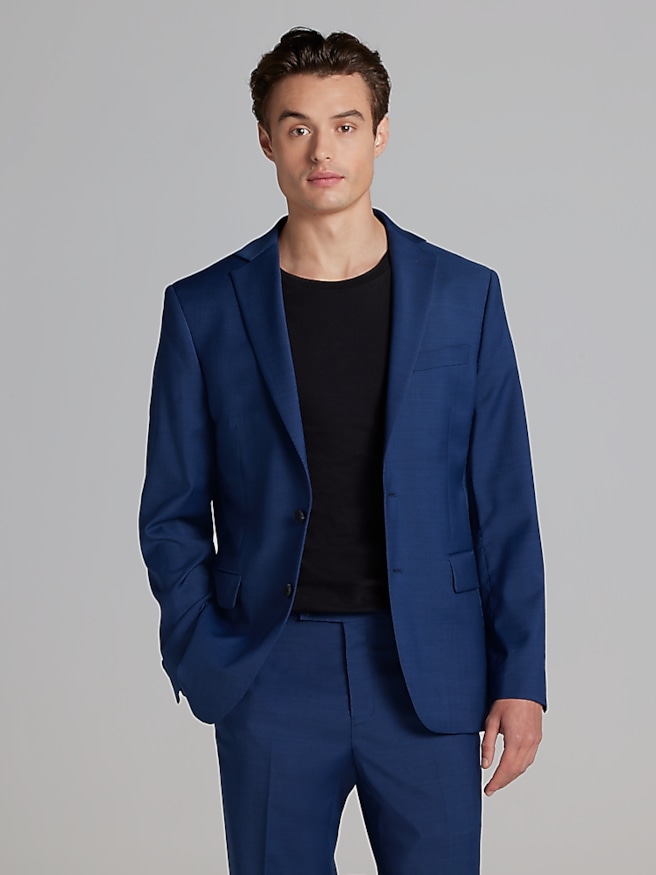
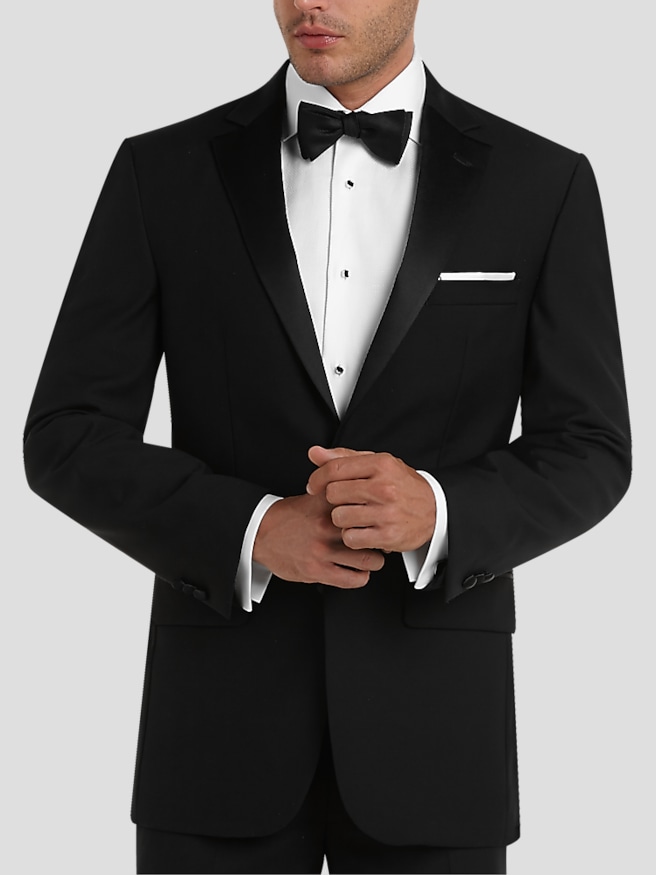
Fancy clothing brings a more polished, expressive finish to occasions that call for something beyond everyday dress. For men, that can mean a sharply tailored suit, a tuxedo with satin accents, a textured dinner jacket, or dress separates finished with a crisp shirt and thoughtful accessories. The distinction comes from the combination of fabric, proportion, construction, and detail rather than decoration alone. A dark suit with a clean silhouette can look just as refined as a richly textured jacket, especially when the setting calls for restraint. Weddings, formal dinners, galas, award ceremonies, and milestone celebrations each create a slightly different setting for dressed-up clothing. A black-tie invitation generally points toward a tuxedo, while cocktail attire allows more room for a suit or tailored separates. At a business reception, subtle texture and a coordinated shirt and tie often feel more appropriate than a dramatic sheen. Fabric helps establish that balance. Wool offers a graceful drape and natural resilience, making it a versatile foundation for tailored clothing worn repeatedly. Wool blends can combine that tailored appearance with other performance qualities, though the fiber content and care label provide a clearer picture than the fabric name alone. Velvet gives a jacket depth and a plush surface that catches the light, while silk accents add a smoother, more concentrated luster. Cotton dress shirts provide a crisp backdrop, with poplin offering a smooth finish and twill showing a subtle diagonal texture. A small amount of stretch may add ease, but fabric recovery matters as much as flexibility: clothing should return to its shape rather than remain stretched at the knees or elbows. For someone seated through a ceremony and dinner before standing for photographs, comfortable movement and a neat appearance carry equal weight. Fancy clothing feels most convincing when its level of formality matches the occasion and its details support the person wearing it.
Fit gives fancy clothing its structure, whether the overall look is traditional, streamlined, or more relaxed. A jacket should sit cleanly across the shoulders without extending noticeably past them or pulling inward at the sleeve seams. The collar should rest close to the shirt collar, and the front should lie smoothly when buttoned rather than forming pronounced diagonal creases. Slim, tailored, and classic fits describe broad silhouettes, not a universal sizing system; the same label can feel different depending on the cut and the wearer’s proportions. A closer shape can look sharp without being restrictive, while a fuller cut can appear equally polished when the shoulders, sleeves, and trouser length are balanced. The practical test is ordinary movement: reaching for a handshake, sitting at a dinner table, or lifting an arm should not make the outfit feel confining. Trousers need enough room through the seat and thighs to fall smoothly, with a waistband that stays comfortable while seated. Their hem affects the entire silhouette. Little or no break creates a crisp line above the shoes, while a modest break gives a more traditional finish; excess fabric collecting around the ankles can distract from otherwise careful tailoring. Shirt collars should close comfortably when worn with a tie, and cuffs should remain in place without disappearing far inside the jacket sleeves. For a wedding party member, keynote speaker, or guest expecting a long evening, these small details make the difference between clothing that merely photographs well and clothing that stays comfortable throughout the event. Alterations can refine sleeve length, trouser hems, and some shaping through the body, but major changes to a jacket’s shoulders are more involved. Starting with a sound fit through the shoulders and chest leaves a stronger foundation for the finishing adjustments. Balanced proportions also make an outfit easier to wear again, since a well-fitting jacket or pair of trousers can work with different shirts and accessories without losing its intended shape.
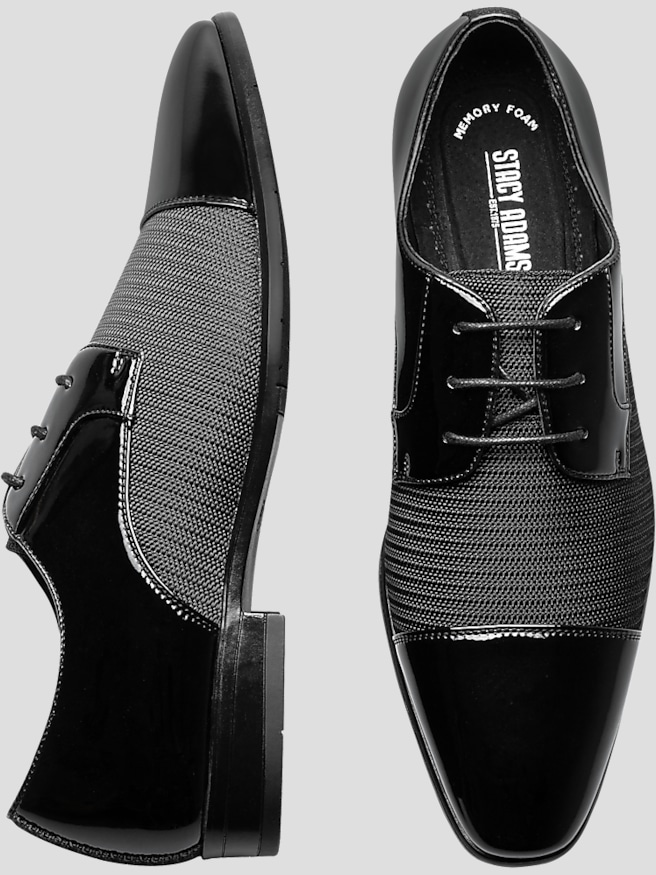
The finishing pieces give fancy clothing a sense of completeness without requiring every element to stand out. A patterned tie can bring interest to a plain suit, while a solid tie lets a textured jacket remain the focal point. A pocket square works best as a complement rather than an exact duplicate of the tie, picking up a color or adding a quiet contrast. Belts and shoes should feel coordinated in color and level of formality, and Fancy Dress Shoes help carry the tailored line through to the finished outfit. Sleek leather styles suit many dressed-up settings, while the occasion’s dress code determines whether a more formal finish is appropriate. Socks that stay up and relate to the trousers keep the look continuous when seated. Lasting polish also depends on care. The garment label should guide cleaning, since structured jackets, delicate trims, and blended fabrics may need different treatment. A broad, supportive hanger helps a jacket retain its shape, and properly hung trousers are less likely to develop unwanted folds. Allowing clothing to air out after wear and gently brushing away surface dust can reduce unnecessary cleaning. Spills deserve prompt attention, but rubbing a mark can spread it or disturb the fabric’s surface. Pressing or steaming should follow the care instructions, particularly around velvet, satin, and shaped areas where direct heat or pressure may leave a mark. Sound seams, secure buttons, and fabric that holds its shape all contribute to durability, though even well-made clothing benefits from careful handling and storage. For someone building a formal wardrobe or marking a graduation, career milestone, or significant birthday, dress accessories can also make thoughtful gifts when personal taste is known. Shirts and tailored clothing require more precise sizing. Across these choices, the strongest fancy outfits balance visual impact with comfort, repeat wear, and details that feel appropriate to the occasion.