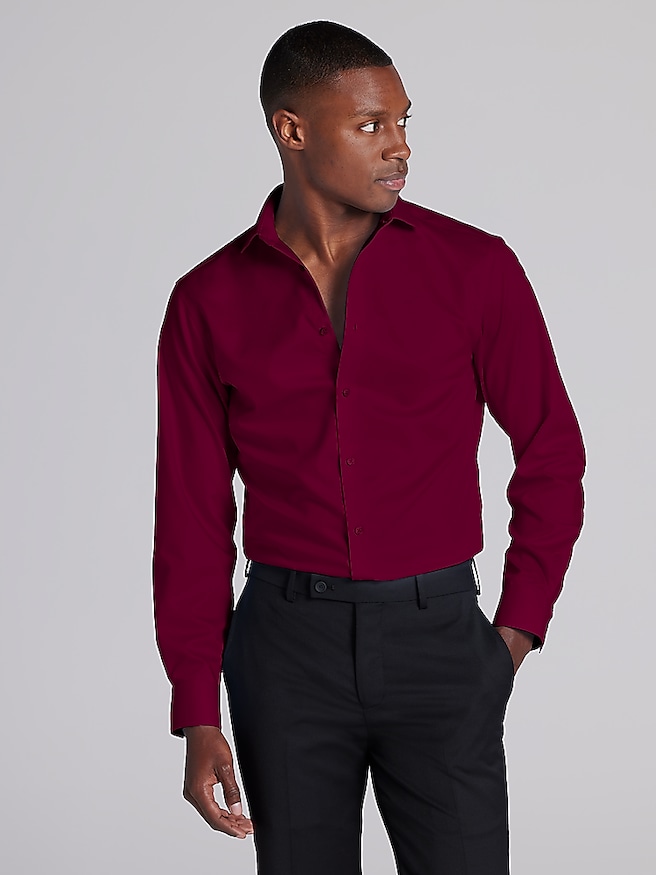
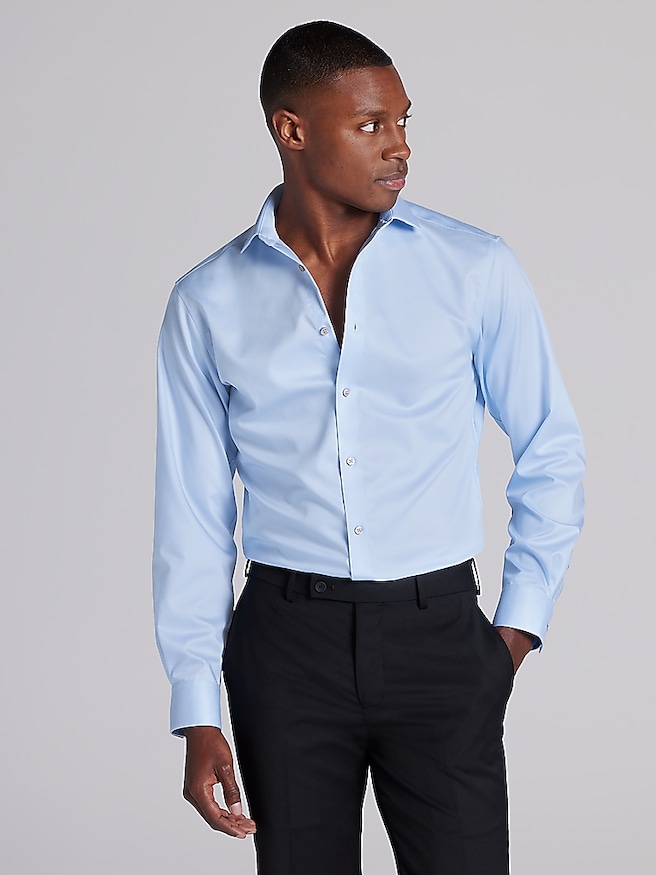
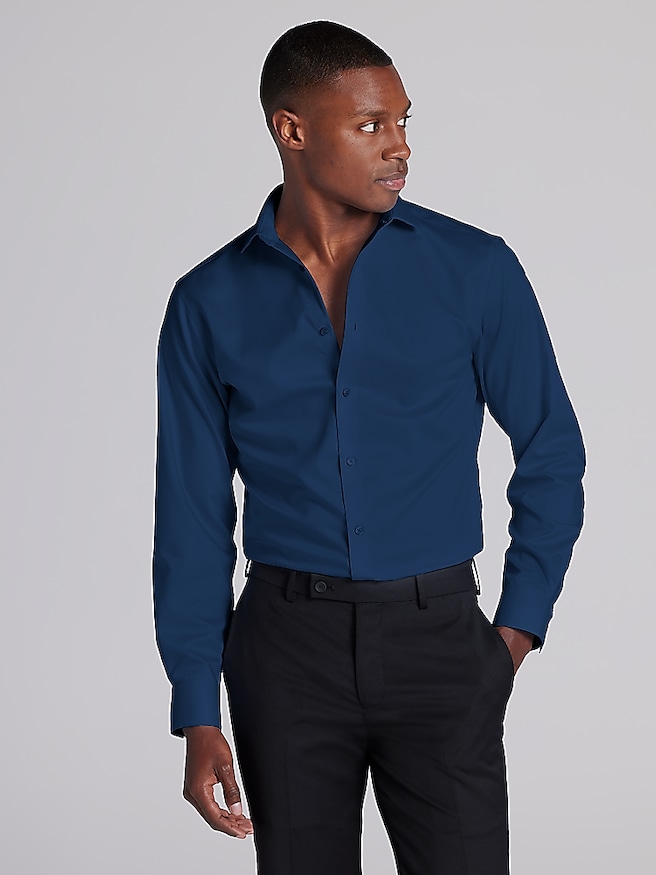
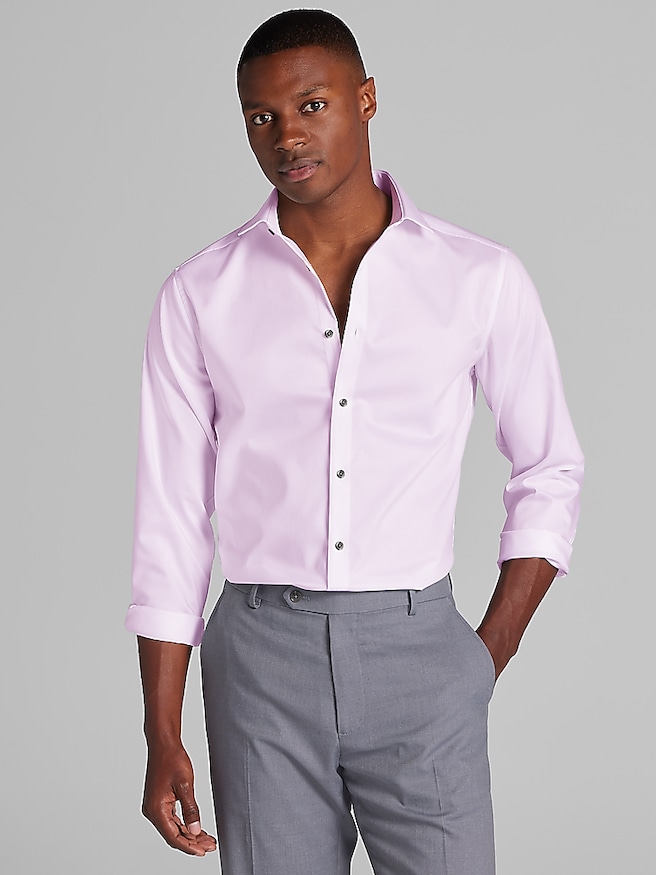
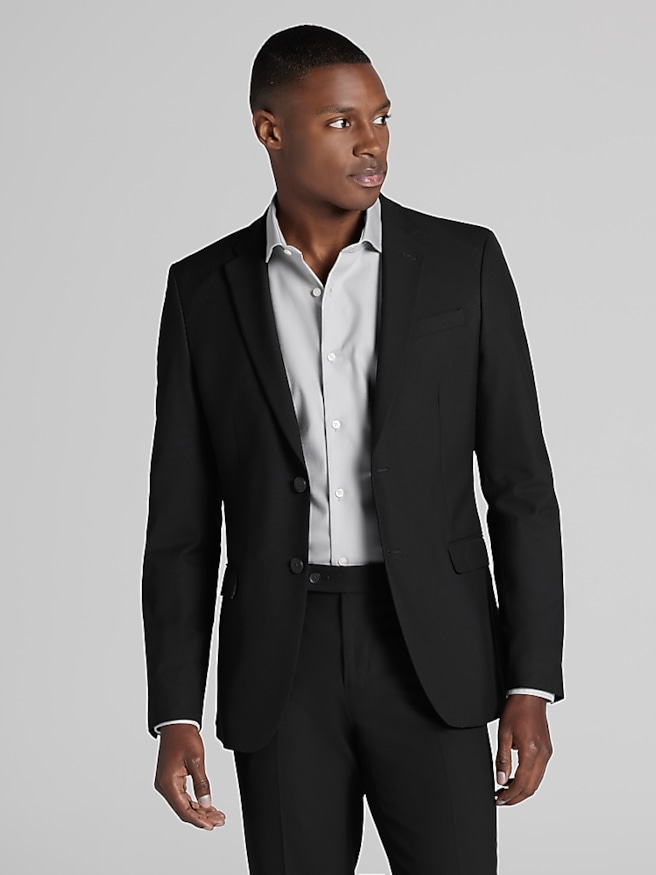
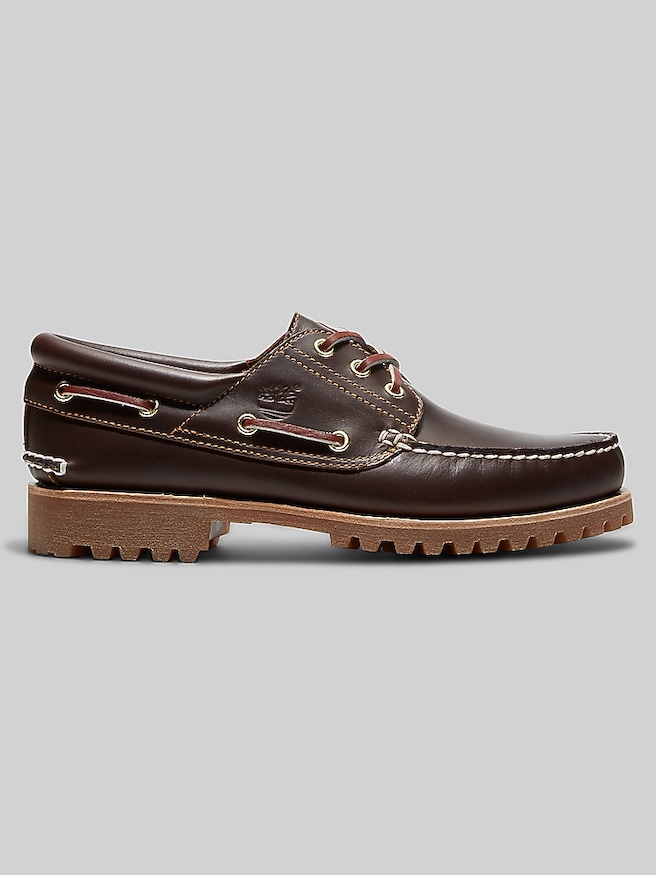
Fall wedding attire brings together the polish of formal dressing and the comfort of thoughtful seasonal layers. As temperatures shift from mild afternoons to cooler evenings, the right outfit should look celebration-ready while remaining comfortable from the ceremony through the last dance. A well-chosen suit in navy, charcoal, medium gray, or a rich brown offers a dependable foundation for many autumn weddings, while deeper shades such as burgundy, forest green, plum, and oxblood can add seasonal character without feeling overly themed. Warm neutrals, including camel, cognac, chocolate brown, and muted tan, work especially well for daytime celebrations and early-season events. Black remains an elegant choice for evening ceremonies, particularly when the invitation calls for formal or black-tie attire. When selecting fall wedding clothes, start with the dress code, time of day, and setting. A formal wedding may call for a dark, tailored suit or tuxedo with a crisp dress shirt and refined accessories, while a cocktail celebration allows more flexibility with color, texture, and pattern. For semi-formal events, a coordinated jacket and trouser combination can create a polished appearance without the seriousness of full formalwear. Outdoor ceremonies at gardens, vineyards, farms, or historic venues may benefit from textured fabrics and practical layers, while an evening reception in a ballroom or hotel often suits smoother, more traditional tailoring. The venue can also influence footwear and finishing details: choose comfortable, well-maintained dress shoes for long hours on your feet, and consider a sturdy sole when the celebration includes grass, gravel, cobblestones, or uneven ground.
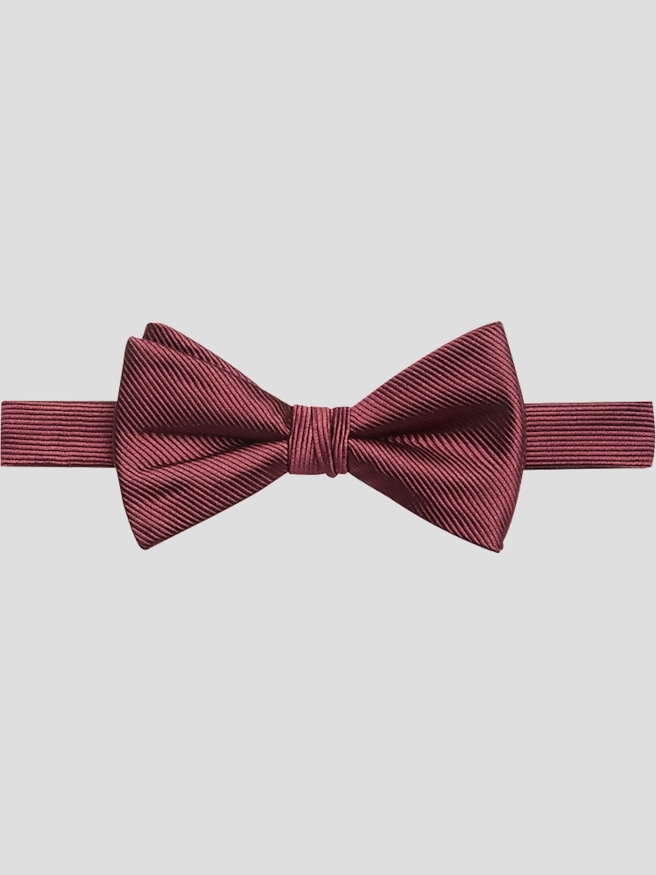
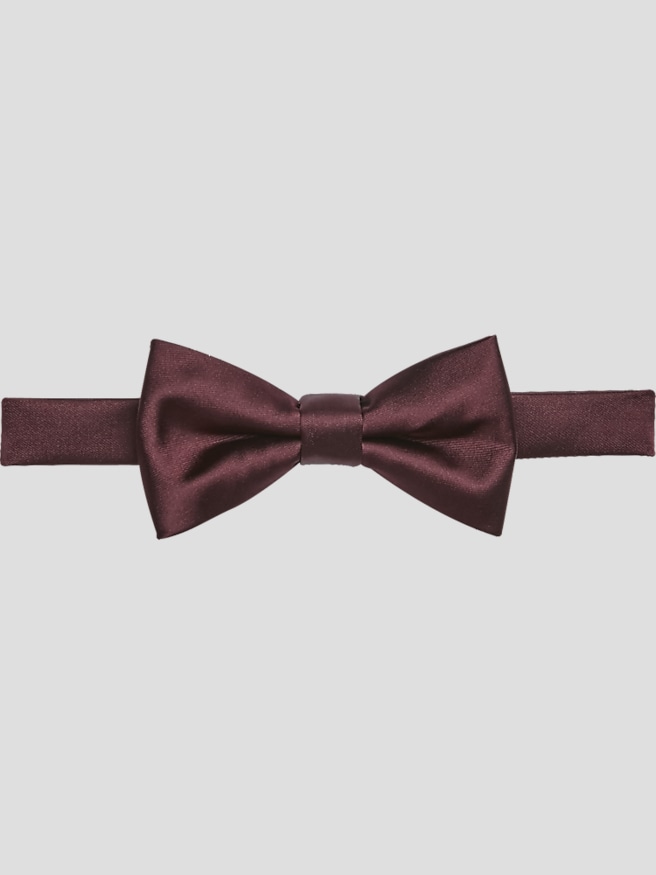
Fabric and fit become especially important during the cooler months. Wool and wool-blend tailoring provide warmth without sacrificing structure, making them reliable choices for outdoor photographs and receptions that continue into the evening. Flannel, corduroy accents, textured weaves, velvet details, and heavier cotton can bring depth to an autumn wardrobe, while still looking appropriate when balanced with clean lines and understated accessories. A suit should allow comfortable movement through the shoulders and arms, sit smoothly across the chest, and fall neatly through the trousers without excessive bunching at the ankle. Even a simple outfit looks more considered when the proportions are right. Layering gives you flexibility as the weather changes: a dress shirt under a suit jacket works well indoors, while a vest, lightweight overcoat, dress sweater, or tailored outer layer can provide additional warmth for an outdoor ceremony or evening send-off. Choose layers that complement rather than compete with the main outfit, keeping the palette coordinated across the jacket, shirt, tie, pocket square, belt, and shoes. Seasonal color does not need to be limited to the suit itself. A burgundy tie, rust-toned pocket square, deep green socks, or cognac leather accessories can introduce autumn warmth to a classic navy or gray look. Patterns such as subtle windowpane, fine checks, understated stripes, and small-scale plaids add visual interest while remaining wedding-appropriate. For formal celebrations, keep patterns restrained and prioritize a clean, cohesive finish. For less traditional venues, a textured jacket or softly contrasting trouser can feel personal while still respecting the importance of the occasion. During warmer parts of the season, breathable dress shirts and lighter layers may be enough for daytime comfort; as the air cools, heavier tailoring and a refined outer layer can help maintain a sharp appearance without requiring a complete change of clothes.
The attire selected for a fall wedding may serve several purposes beyond one celebration. A versatile suit can be worn to future weddings, business events, holiday gatherings, dinners, and milestone occasions, making quality construction, comfortable tailoring, and adaptable color worthwhile considerations. For members of the wedding party, coordinated suits or tuxedos help create a unified visual impression while allowing each person to choose a suitable fit. Grooms and groomsmen may use accessories to distinguish roles, such as a shared tie color, matching pocket squares, or complementary boutonnieres, while guests can honor the couple’s palette without appearing to be part of the wedding party. Clothing and accessories can also make thoughtful gifts for a groom, groomsman, father of the bride or groom, brother, or close friend preparing for an autumn ceremony. Practical gifts are especially useful when they can be worn again, whether that means a polished dress shirt for the rehearsal dinner, an accessory that completes formalwear, or a garment bag that keeps an outfit neat during travel. If a wedding outfit will be worn only once or the dress code is unusually formal, rental can be a convenient way to access a coordinated look without adding a rarely used garment to the closet. For purchased attire, leave enough time for alterations, especially when adjusting sleeve length, trouser break, jacket fit, or shirt cuffs. Try the complete outfit together before the event, including shoes and layers, and confirm that the final combination suits the invitation’s level of formality. Thoughtful preparation helps the wearer feel at ease in photographs, during dinner, and on the dance floor, whether the celebration takes place beneath changing leaves, inside a warmly lit reception hall, or at a gathering that moves between both.