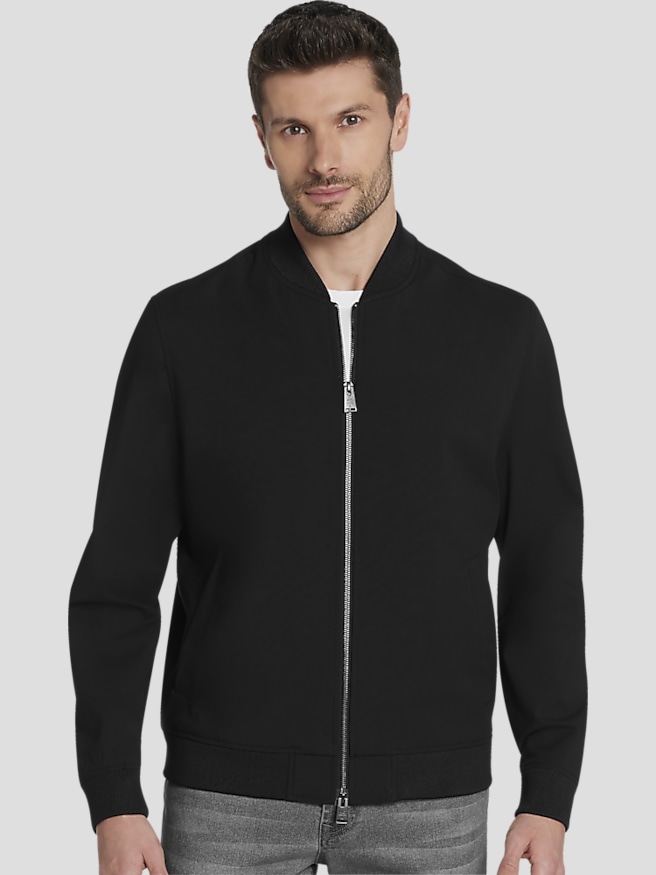
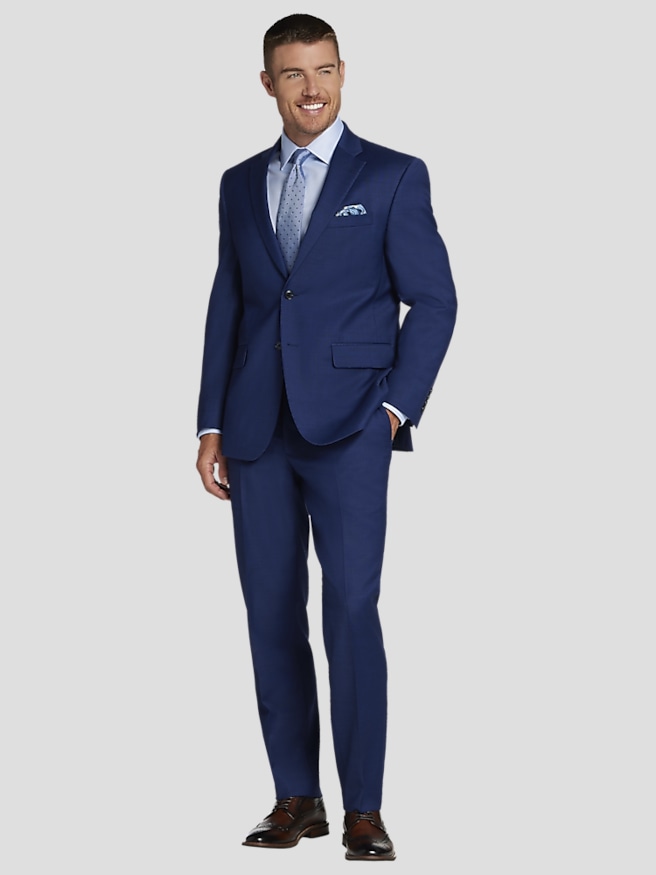
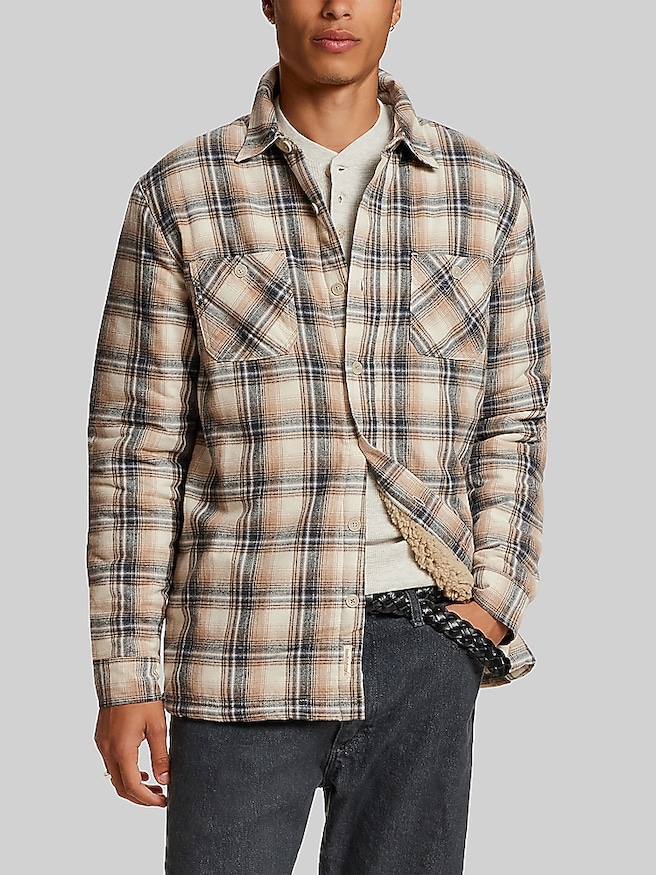
Fall jackets bridge the gap between a light extra layer and substantial outerwear, offering comfortable coverage for brisk walks, daily commutes, and evenings spent outside. The most useful styles balance warmth, freedom of movement, and a shape that works with the clothing underneath. Lightweight bombers, field jackets, shirt jackets, and quilted designs each bring a distinct feel to an everyday wardrobe without requiring a complete change of outfit. A bomber’s shorter length pairs naturally with jeans or chinos, while a field-inspired silhouette offers more coverage and practical pocket space. Shirt jackets have an easy, relaxed character over a T-shirt or henley, and lightly insulated styles add warmth without the volume of a heavy coat. Fabric makes a meaningful difference in how each type feels and performs. Cotton twill has a familiar, substantial hand and develops character with wear; tightly woven versions can help take the edge off a breeze. Wool blends offer warmth and a textured appearance that complements tailored trousers as readily as denim. Nylon and polyester shells are often lightweight, and some have finishes designed to shed light moisture. Water resistance is not the same as waterproof protection, however, and performance depends on the fabric, seams, closures, and construction. Leather gives a jacket structure and a distinctive surface that can soften over time, while suede brings a softer, matte texture better suited to dry conditions. Quilting helps hold insulation in place, though the amount and type of fill matter more than the stitched pattern alone when comparing warmth. For men moving between a train platform, an office, and a neighborhood restaurant, these differences affect more than appearance. A smooth lining can make a jacket easier to slip over a sweater, a close-fitting cuff can reduce drafts, and a collar that closes comfortably can provide welcome coverage on an exposed sidewalk. The right balance depends on whether the jacket will spend most of its time outdoors or accompany short trips between indoor spaces.
Fit determines whether a fall jacket feels effortless or restrictive once it becomes part of a daily routine. A close, streamlined silhouette can look sharp over a fine-gauge sweater, but it still needs enough room through the chest, upper back, and sleeves for ordinary movement. Reaching for a steering wheel, carrying a work bag, or folding the arms should not pull the front closure tight or force the hem upward excessively. Shoulder seams generally sit near the edge of the shoulder on traditionally constructed styles, while dropped shoulders and raglan sleeves create a deliberately different outline. Neither shape needs to look oversized to accommodate a layer underneath. Trying a jacket with clothing similar in weight to its intended companions gives a more realistic sense of fit than wearing it over a thin T-shirt alone. Sleeve length matters, too: coverage near the wrist helps keep the proportions balanced without swallowing the hands. Ribbed cuffs hold a shorter jacket close to the body, while adjustable cuffs allow more flexibility around a shirt or sweater sleeve. Hem length changes both the look and the practical coverage. A waist-length design keeps casual outfits compact, whereas a longer jacket can cover the bottom of an untucked shirt and provide additional protection when sitting outside. For office days, understated hardware, a clean front, and a restrained collar can sit comfortably alongside chinos, button-down shirts, and leather shoes. A jacket worn over a sport coat needs enough space through the shoulders and sleeves, plus a length that does not leave the layer beneath awkwardly exposed. Weekend settings allow more texture and contrast: brushed cotton against dark denim, a quilted shell over a knit, or a suede finish alongside sturdy boots. Navy, charcoal, olive, brown, and tan offer versatile starting points, with the best choice often connected to the trousers and footwear already worn most often. Subtle texture can give a simple outfit depth without making the jacket difficult to coordinate.
Durability comes from the relationship between material, construction, care, and intended use rather than from thickness alone. Even stitching, securely attached buttons, smoothly operating zippers, and reinforcement around frequently used pockets are useful details in a jacket expected to handle regular wear. Pocket placement deserves attention as well: comfortable hand pockets serve a different purpose from secure interior storage, and an overloaded pocket can distort the front of an otherwise well-fitting jacket. A lining that lies smoothly helps preserve comfort over textured sweaters, while an adjustable hem or cuff can make the same outer layer more adaptable across several outfits. Care requirements vary considerably, so the garment’s label remains the starting point for cleaning and storage. Some synthetic and cotton styles can be machine washed, but coatings, insulation, trims, and mixed materials may require a different approach. Wool blends may call for professional cleaning, and leather or suede generally needs care appropriate to the finish. Excess heat can damage certain fabrics and treatments; leaving a damp jacket to dry naturally in a ventilated space, away from direct heat, is often a gentler approach when consistent with its care instructions. A suitable hanger supports the shoulders between wears, and cleaning before extended storage helps prevent overlooked marks from settling in. These practical details also matter when choosing a jacket as a gift. A familiar silhouette, a color that coordinates with the recipient’s wardrobe, and manageable care needs can be more useful than an unfamiliar cut with complicated upkeep. A commuter may appreciate secure pockets and easy layering, while someone who spends weekends walking around town may value a comfortable collar and room for a substantial knit. Fall jackets can remain useful as part of a layered wardrobe beyond autumn, but their limits depend on insulation, exposure, and activity. For longer stretches outside in colder conditions, Warm Jackets is a related category for considering more substantial coverage. A jacket suited to its usual setting earns its place through comfortable movement, reliable construction, and details that make everyday wear easier.