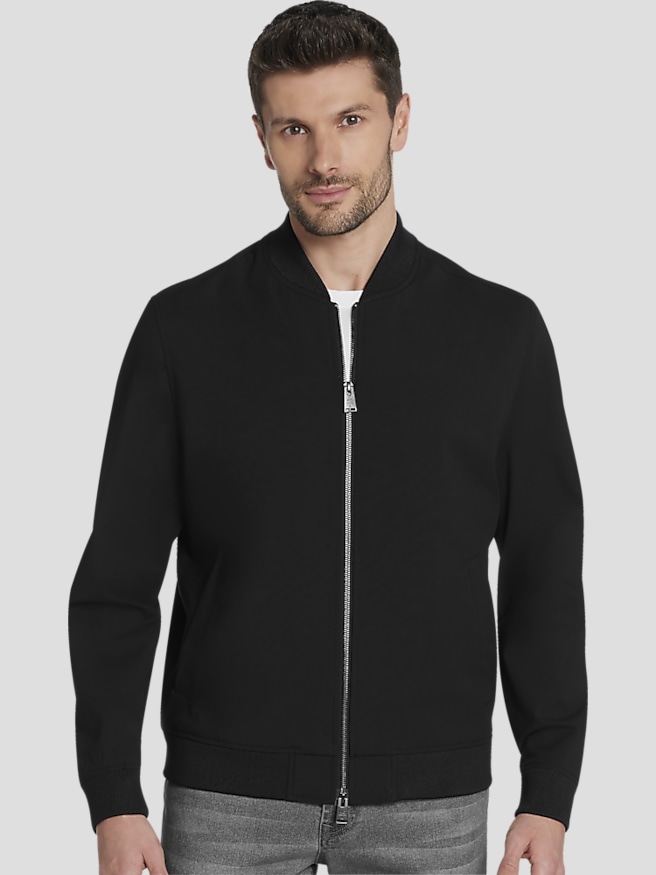
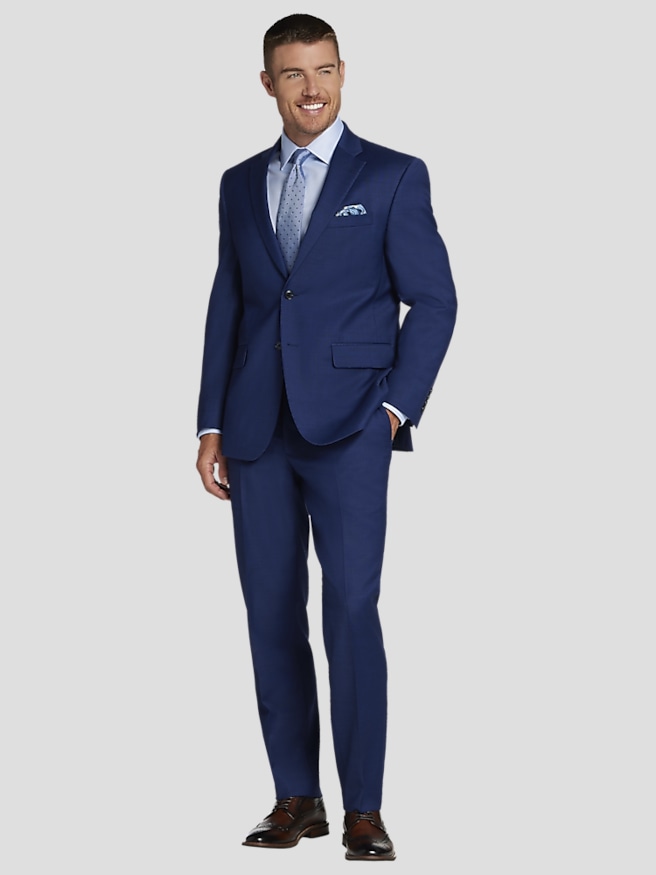
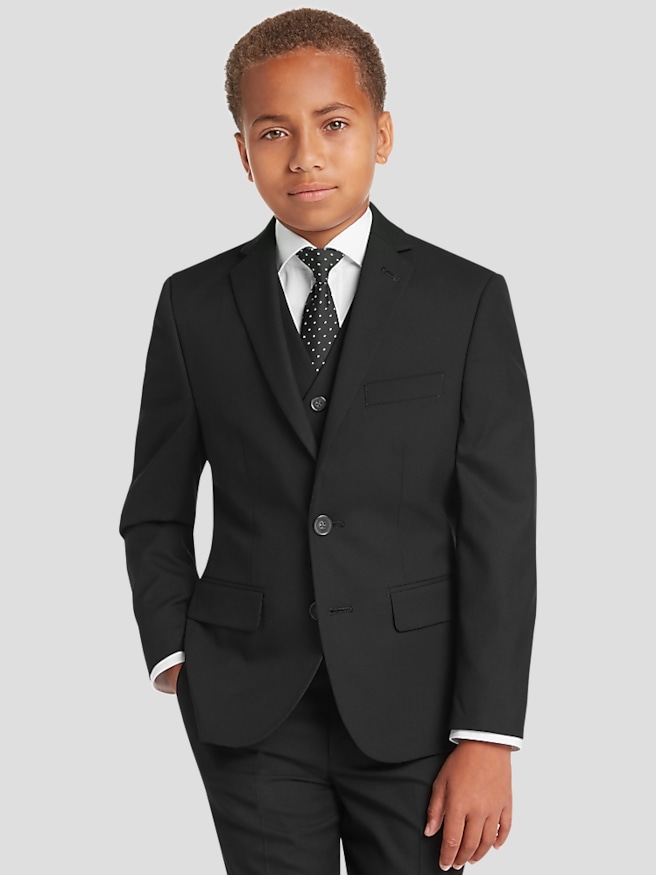
Warm jackets help retain body heat through insulating materials and protective outer fabrics, with warmth shaped by the insulation, coverage, fit, and ability to block wind. They range from streamlined layers for everyday commuting to more substantial designs for extended time outside in cold weather. A jacket worn between a parking garage and an office has a different job from one worn on a long walk or while standing beside a playing field. Wool and wool-blend fabrics offer a textured appearance that works naturally with tailored clothing, while quilted construction holds insulation in separate sections to help distribute warmth. Down provides warmth with relatively little weight and compresses easily, although its insulating performance can decline when it becomes wet. Synthetic insulation generally retains more warmth when damp and can be a practical choice for everyday wear that involves light precipitation. The outer fabric matters just as much as the filling: a densely woven shell can reduce drafts, while a soft, loosely constructed fabric may allow more air through. Water-resistant finishes help shed light moisture, but water resistance is not the same as waterproof protection. Sustained rain calls for construction specifically intended to keep water out, including appropriate seams and closures. For dry cold, a wool-rich jacket layered over a sweater may provide comfortable warmth without the look of technical outerwear. For a windy train platform or an exposed walk across a campus, a close-fitting collar, secure front closure, and adjustable cuffs can make a noticeable difference. Warmth is not simply a matter of thickness, either. A lighter insulated jacket that fits properly and limits drafts may feel more comfortable than a bulkier style with open cuffs and a loose neckline. The most useful warm jackets balance insulation with the way they will actually be worn, whether that means daily travel, weekend errands, outdoor gatherings, or a combination of indoor and outdoor stops. Breathable construction also matters on an active walk, when trapped moisture can leave clothing feeling damp after the pace slows.
Fit determines how comfortably a warm jacket works with the rest of a wardrobe. The shoulders should sit comfortably without pulling, and the chest needs enough room for the layers typically worn underneath. A jacket that feels right over a thin shirt may become restrictive over a substantial knit or tailored clothing. Trying it on with those layers gives a more realistic sense of movement, especially when reaching forward, sitting down, or bending the elbows. Insulation needs space to hold warm air; a fit that compresses it tightly can reduce both comfort and effectiveness. Excess room can create its own problems, allowing drafts at the hem or making the jacket feel cumbersome. Sleeve length should provide wrist coverage with the arms relaxed, while cuffs should work comfortably with gloves when needed. Shorter silhouettes offer freedom of movement and can be convenient for driving, while longer cuts provide more coverage through the seat and upper legs. If a warm jacket will be worn over a suit, its proportions should accommodate the suit jacket beneath it without bunching at the shoulders or leaving an awkward amount of fabric exposed below the hem. Design details also affect everyday use. A zipper shield or buttoned storm flap helps limit wind through the front opening, and a high collar protects more of the neck. An adjustable hood offers additional coverage, while a clean neckline can sit neatly with a scarf. Pockets should be easy to reach and deep enough to hold small essentials securely; a protected interior pocket is particularly useful for a phone or wallet. Smooth linings help sleeves slide over shirts and sweaters rather than catching at the elbows. Dark neutrals pair readily with dress trousers, denim, and boots, while textured fabrics add visual interest without requiring a bold color. As a gift for a father, partner, brother, or friend, a warm jacket is most personal when it reflects familiar routines: an easy-moving shape for someone who drives frequently, a polished finish for an office commute, or greater coverage for someone who spends more time outdoors.
Care and construction help determine how well warm jackets hold their shape and insulating performance over repeated wear. Secure stitching, neatly finished seams, reinforced pocket openings, and closures that operate smoothly are useful details to examine. Areas that receive frequent friction, including cuffs, elbows, and the edges of pockets, benefit from durable fabric and sound construction. A heavier shell is not automatically warmer, but it may suit regular contact with rough surfaces better than a delicate, lightweight fabric. Care requirements vary widely, so the garment label should take priority over general cleaning advice. Some wool jackets require professional cleaning, while certain insulated styles can be machine washed using a specific cycle and drying method. Improper heat or harsh cleaning products can damage fibers, finishes, or insulation. Small marks may be suitable for spot cleaning when the label permits, and allowing a jacket to air out between wears can reduce unnecessary washing. Wet outerwear should dry thoroughly before storage, away from direct heat unless the care instructions specify otherwise. Insulated jackets generally benefit from being stored without prolonged compression, and structured wool styles hold their shape best on supportive hangers with enough space around them. Keeping the garment dry, clean, and properly supported helps prevent odors, distortion, and avoidable wear. Practical layering also extends its usefulness: a fine knit beneath a jacket can add warmth without restricting movement, while a scarf and gloves cover areas the jacket leaves exposed. For milder conditions that call for less insulation, Spring Jackets offer a lighter direction for everyday outerwear. Warm jackets serve a more insulating role, but comfort still depends on matching their construction to the setting rather than choosing the greatest bulk. A well-proportioned jacket should feel easy to move in, work with the clothing beneath it, and provide enough protection for the journey ahead, from the first steps outside to the walk home.