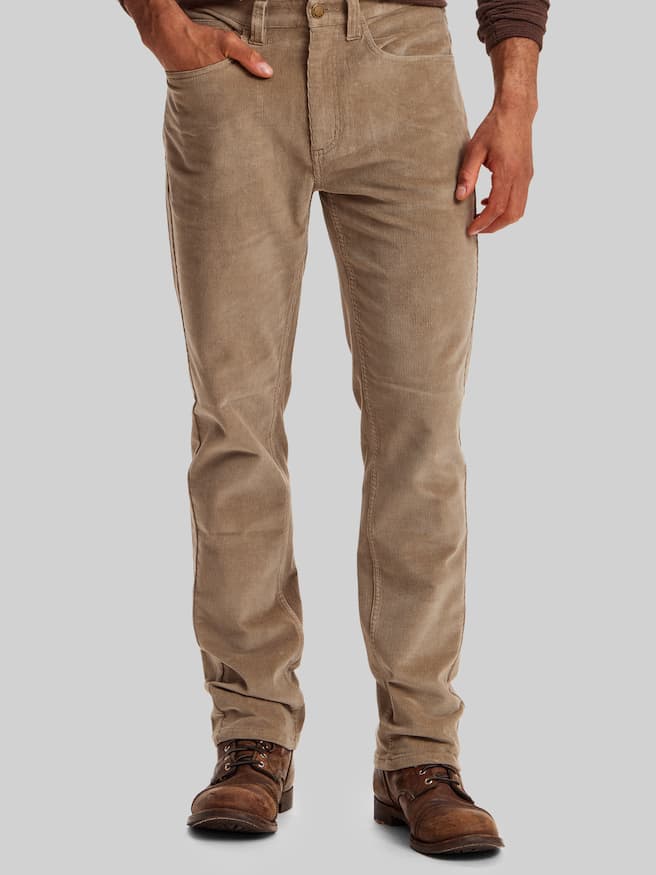
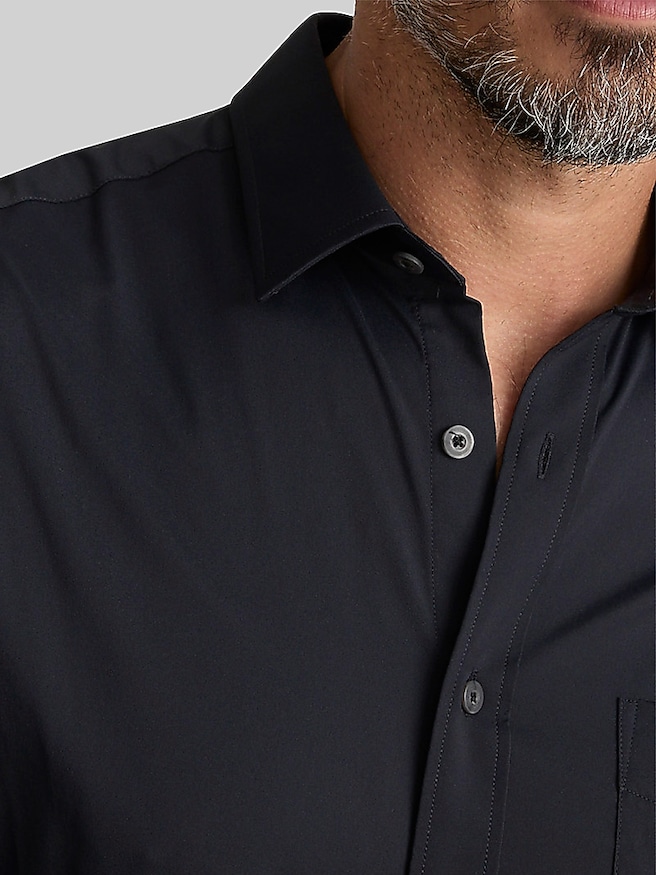
Fall casual shirts bring together textured fabrics, comfortable long sleeves, and colors that work naturally with denim, chinos, and layered outfits. Common styles include flannel button-downs, cotton twill shirts, corduroy shirts, chambray shirts, henleys, and long-sleeve polos. Each offers a slightly different balance of warmth, structure, and ease, making fabric weight just as important as the pattern or color. Brushed flannel has a soft surface that feels comfortable against the skin and adds warmth without the bulk of a sweater. Cotton twill has a diagonal weave and a more substantial feel, giving a casual shirt enough structure to look neat worn on its own. Corduroy adds visible texture through its raised ribs, with finer ribs generally creating a subtler appearance than wider ones. Chambray offers a denim-like look in constructions that are often lighter and easier to layer, though the actual weight varies by fabric. For less structured outfits, a henley or knit polo provides a comfortable alternative to a woven button-front shirt. Waffle-knit fabrics add surface texture and can serve as a base beneath an overshirt, while smooth cotton knits feel less bulky under a cardigan. Earth tones such as olive, rust, tobacco, and tan complement the character of fall clothing, but navy, gray, cream, and muted burgundy are equally useful for building combinations. Plaids introduce color without requiring much else from an outfit; a solid pair of pants lets the pattern stand on its own. Smaller checks tend to feel quieter, while larger plaids have a more outdoorsy character. A solid textured shirt can be just as distinctive, especially when its weave catches the light or contrasts with smooth chinos. These differences make fall casual shirts useful for everything from an afternoon outdoors to a relaxed dinner, with the right choice depending on how much warmth, movement, and polish the day calls for.
A comfortable fit leaves enough room to move without creating excess fabric at the waist or bunching beneath another layer. Shoulder seams should generally sit near the edge of the shoulder unless the shirt is intentionally cut with a dropped shoulder. Across the chest, buttons should lie flat rather than pull apart when the wearer sits, reaches, or folds his arms. Sleeve length matters, too: cuffs that finish near the wrist are easier to wear under a jacket and less likely to interfere with everyday tasks. A slim fit follows the torso more closely, while a classic or relaxed fit allows more space through the chest and midsection. Neither is automatically better for layering; the useful distinction is whether the shirt needs to fit over a T-shirt, under a sweater, or both. An overshirt needs additional room through the shoulders and sleeves, whereas a base layer benefits from a closer fit that does not gather under other clothing. Fabric with a little stretch can help with reaching and bending, but a balanced cut still does most of the work. Hem shape and length also influence how a shirt wears. Shorter hems often look balanced untucked, while longer tails are easier to keep tucked into pants. For a casual office that permits denim, a small-check shirt with dark jeans and leather shoes creates a composed outfit without looking formal. A corduroy shirt over a plain tee works for a weekend drive or a stop at a neighborhood café, and a soft flannel pairs naturally with sturdy chinos for an outdoor gathering. Long-sleeve polos are useful when a collar feels appropriate but a woven shirt seems too structured. Fall casual shirts can also make thoughtful gifts for a partner, father, brother, or friend, particularly when the choice reflects what he already wears. A familiar fit, a preferred collar style, and colors that coordinate with his existing pants are more useful than an unfamiliar pattern chosen only for its seasonal appeal.
Care and construction help determine how well a casual shirt holds its shape, texture, and appearance through repeated wear. Cotton is breathable and absorbent, but washing and drying methods can affect shrinkage, so the care label should take priority over a general routine. Cotton blends may offer added stretch, wrinkle resistance, or quicker drying, depending on the fibers and fabric construction. Those qualities are worth weighing against the feel of the fabric, especially for a shirt worn directly against the skin. Flannel’s brushed surface benefits from gentle handling because friction can contribute to pilling, while corduroy needs care that preserves the appearance of its raised ribs. When the label allows machine washing, turning shirts inside out, fastening closures, and avoiding an overloaded washer can help reduce rubbing and tangling. Promptly removing a shirt after washing or drying helps limit wrinkles; smoothing the collar, placket, and cuffs before hanging can make the next wear easier. High heat is not necessary for every fabric and may be unsuitable for stretch blends, making the stated drying instructions especially important. For durability, even stitching, secure buttons, and neatly finished seams are useful details, particularly around cuffs, underarms, and other areas that see regular movement. A shirt intended for frequent layering should also feel comfortable at the neck and elbows, where bulky seams can become noticeable beneath outerwear. Heavier fabric is not always the best choice: a lighter shirt may be more practical for heated indoor spaces, while a substantial overshirt suits time spent outside in crisp conditions. That distinction also explains why shirts with a similar appearance can serve different purposes across a wardrobe. Lighter fabrics and shorter sleeves, such as those associated with Summer Casual Shirts, emphasize airflow, while fall styles often emphasize texture and layering flexibility. A useful fall rotation balances those needs with shirts that feel comfortable on their own, sit smoothly beneath a jacket, and coordinate easily with everyday pants. The result is clothing suited to repeat wear, from an ordinary workday to a weekend away.