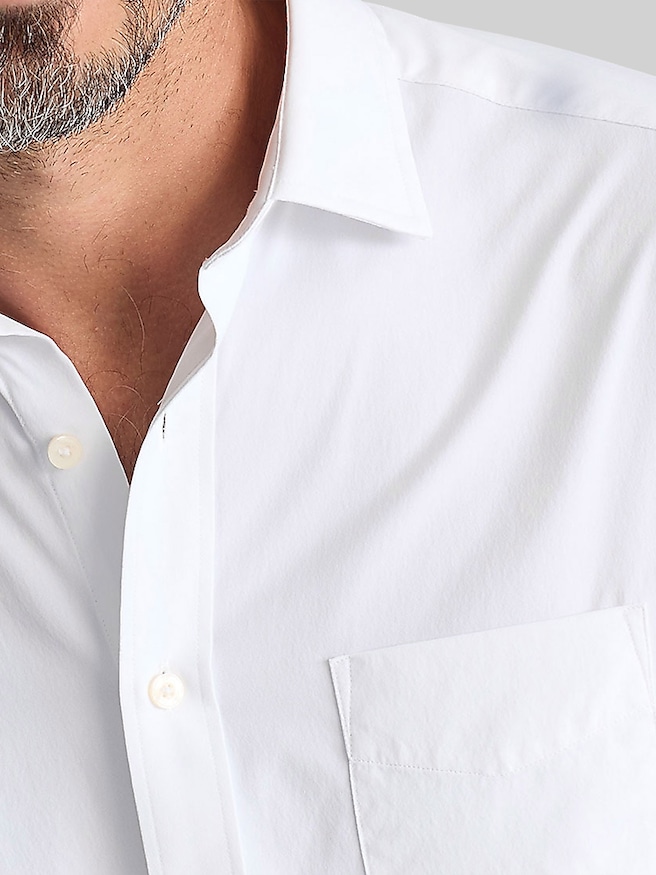
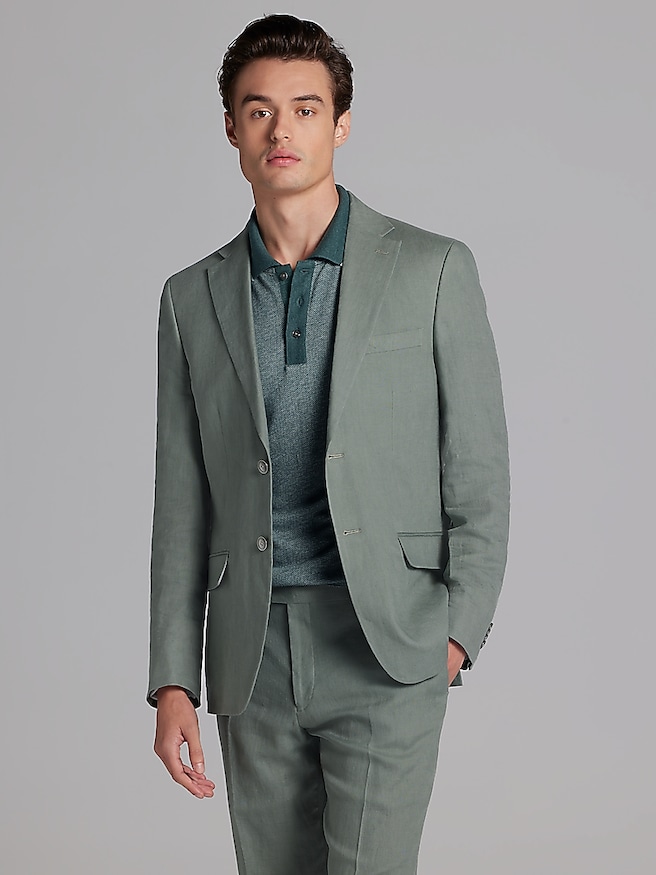
Engagement party attire for men typically ranges from polished separates to a tailored suit, with the invitation’s dress code, venue, and time of day setting the level of formality. A relaxed gathering at someone’s home might call for chinos, a button-down shirt, and loafers, while a cocktail reception often suits a dark suit, a crisp dress shirt, and leather dress shoes. Tuxedos belong at celebrations that explicitly request black tie rather than at every evening event. Across these settings, the aim is clothing that feels celebratory without drawing attention away from the couple. For a guest meeting extended family for the first time, that can mean a navy sport coat over a pale blue shirt, with neatly pressed trousers providing a clean finish. For a groom-to-be greeting guests and posing for photographs, a coordinated suit creates a more distinctive presence while remaining easy to personalize through a tie or pocket square. Navy, charcoal, medium gray, and subtle earth tones offer useful foundations because they work with a broad range of shirt colors and accessories. Restrained checks, fine stripes, and textured solids add depth without competing with the occasion. A white dress shirt is a conventional option with men's suiting; requests to avoid white generally concern predominantly white outfits, though any specific instructions from the couple take priority. At a restaurant celebration, tailored separates can bridge the space between everyday clothing and full formalwear, especially when the shirt collar sits neatly beneath the jacket and the shoes are freshly polished. A private club or ballroom may suggest a dressier setting, but the stated dress code remains more reliable than the venue alone. Engagement party clothing also has a practical life beyond the celebration: versatile jackets, trousers, and shirts can serve at rehearsal dinners, anniversary dinners, and other gatherings where looking put together matters. The strongest combinations feel appropriate in the room, comfortable through a long conversation, and considered in photographs without looking overly staged.
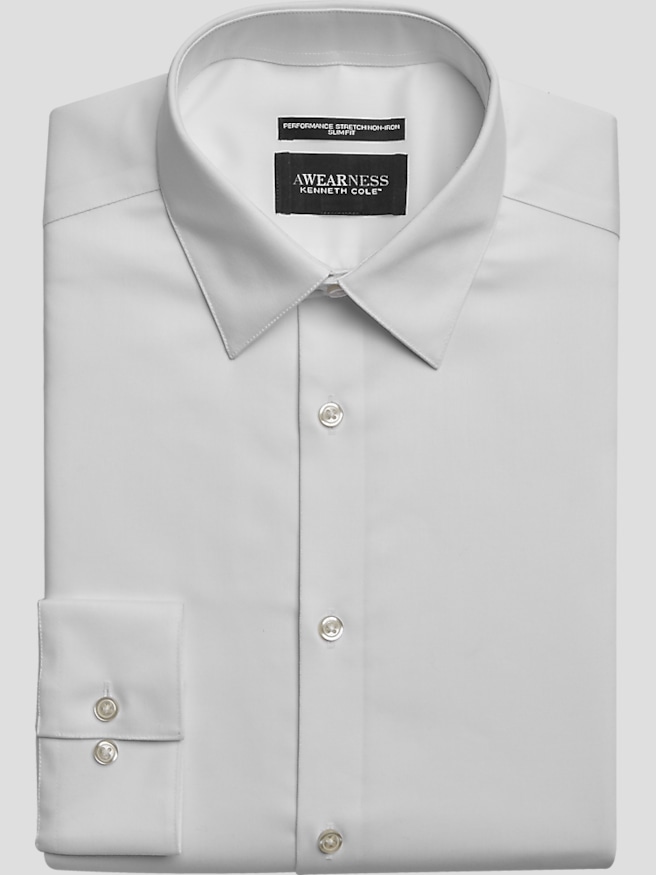
Fabric and construction help determine how engagement party attire looks and feels throughout an event. Wool suiting offers a natural drape and generally recovers well from light creasing, making it useful for a reception that moves from seated dinner to standing toasts. Wool blends vary in texture and performance, while fabrics with a modest amount of stretch can offer extra ease through the shoulders, seat, and knees. Cotton shirts bring a familiar, comfortable feel; a smooth poplin weave looks crisp beneath a suit, while twill introduces subtle texture and often shows fewer small wrinkles. Oxford cloth has a more relaxed appearance that fits naturally with chinos or a sport coat. Linen and linen blends have a visibly textured character and crease readily, so they lend themselves to celebrations where a less structured finish is welcome. Fabric weight, weave, lining, and garment construction all contribute to comfort, and no fiber alone guarantees that a piece will feel easy to wear. Fit is equally important. A jacket’s shoulders should follow the body without extending noticeably beyond it, and the front should close without pulling into pronounced lines around the button. Sleeves that reveal a small amount of shirt cuff create a balanced proportion, while a collar that rests against the neck helps the jacket maintain a clean outline. Trousers should sit securely at the waist and allow enough room to sit, walk, and climb stairs without strain. A slight break or a clean finish near the top of the shoe can both look polished, depending on the trouser cut and personal preference. Slim, tailored, and classic fits describe distinct silhouettes rather than a ranking of how dressed up someone looks. For someone carrying a drink, reaching for a handshake, or leaning into a group photograph, ease of movement matters as much as a sharp outline. Smooth seams, a lining that does not tug, secure buttons, and neatly finished hems contribute to a garment that feels dependable. Alterations can refine sleeve length, trouser hems, and waist fit so the finished outfit looks intentional rather than simply close enough.
Finishing details give engagement party outfits their character without requiring elaborate coordination. A textured tie can distinguish a solid suit from everyday office attire, while a pocket square adds a small point of contrast instead of needing to match the tie exactly. An open-collar dress shirt can look complete with tailored separates when the gathering is relaxed; where a tie is expected, a collar that accommodates the knot comfortably keeps the neckline tidy. Leather lace-ups offer a more formal finish, and streamlined loafers work well with many smart-casual combinations. Shoes should feel secure at the heel and provide enough room at the toes for an event spent circulating among guests. Coordinating the general color and formality of a belt with the shoes helps the outfit feel coherent, and socks that complement the trousers maintain a continuous line when seated. Care preserves these details well beyond one celebration. Each garment’s care label should determine cleaning and pressing methods, particularly for lined jackets, delicate blends, and embellished accessories. Allowing a suit to air after wear, using a supportive hanger, and brushing away surface dust can help maintain its appearance between appropriate cleanings. Shirts benefit from prompt attention to collar marks, while trousers keep a neater shape when hung carefully rather than folded over a chair. Leather footwear lasts better with suitable cleaning, conditioning, and time to dry naturally after wear. For travel to the celebration, a garment bag and careful unpacking help limit unnecessary creasing, though any steaming or ironing should follow fabric-specific guidance. Accessories can also make thoughtful gifts for a fiancé, a close friend, or a family member who enjoys dressing for milestone occasions. Ties and pocket squares involve fewer sizing considerations than tailored clothing, although personal taste still matters. For a gesture that complements the celebration, Engagement Party Gifts offers a related starting point. Clothing chosen with the recipient’s habits in mind has lasting relevance, especially when its colors and proportions work with pieces already in regular rotation. The result is attire that marks a meaningful occasion while remaining useful for the gatherings that follow.